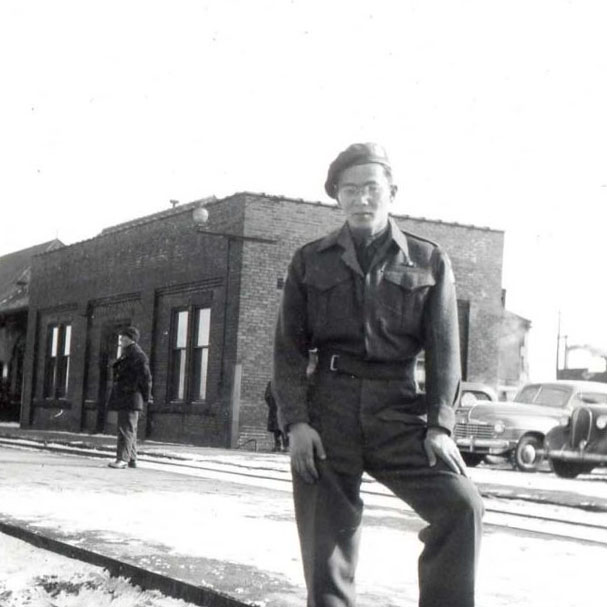
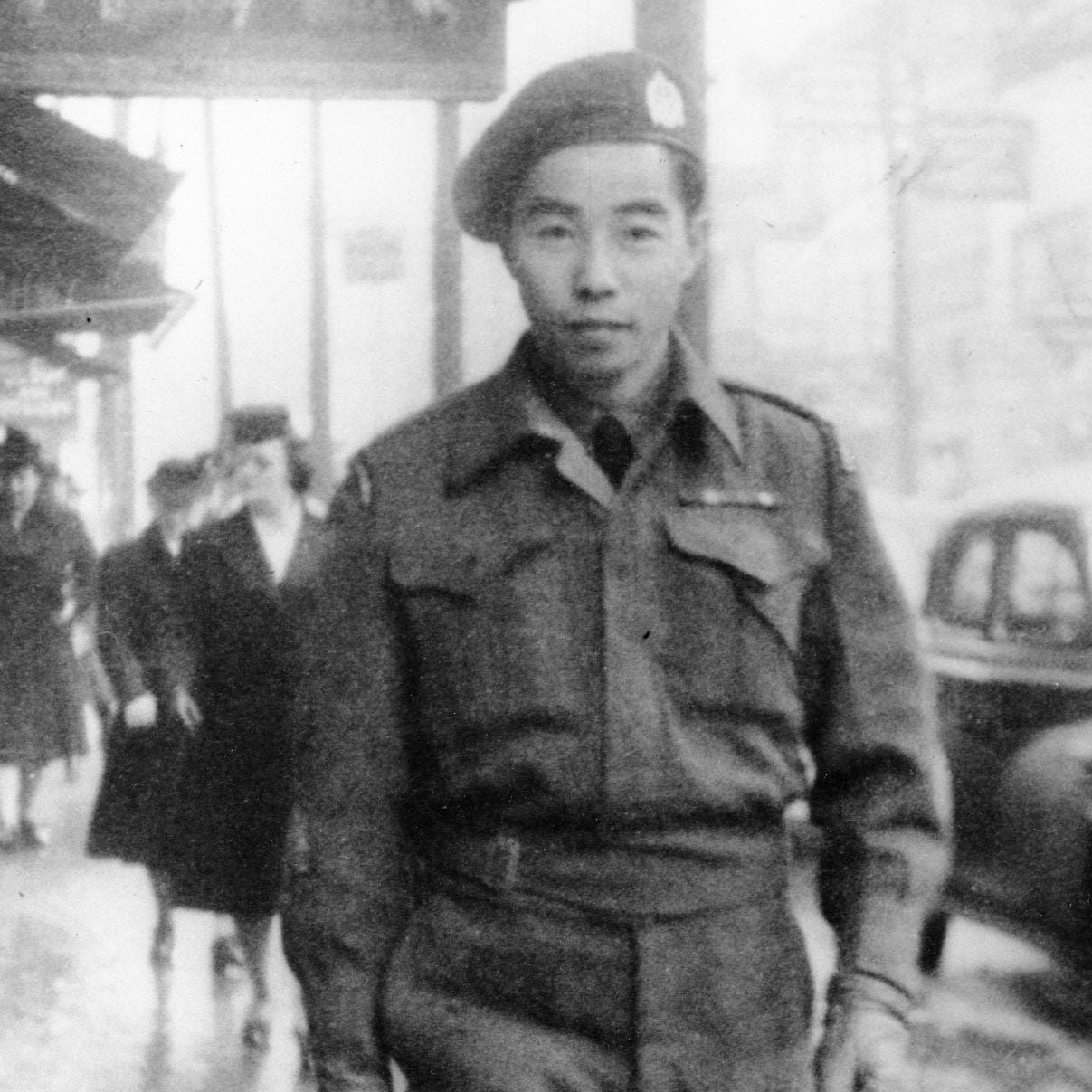
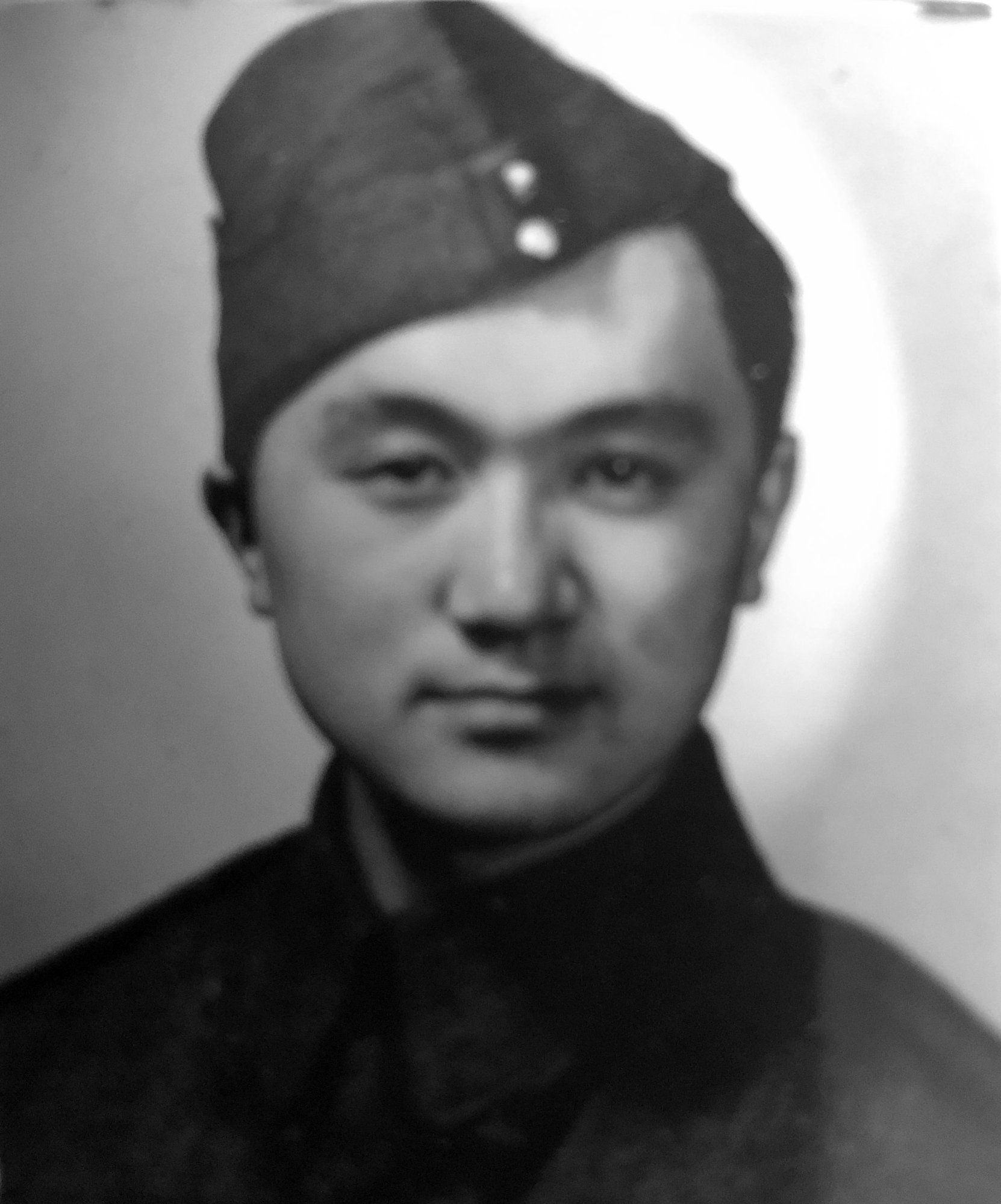
April 18, 1920 – May 5, 1978
Bill Sasaki’s parents, Shinnosuke and Taki Sasaki, lived in New Westminster. Their year of arrival in Canada is unknown. Bill was born in New Westminster in 1920 and had four younger siblings.
His father Shinnosuke Sasaki had been a fisherman who died while fishing when Bill was 13. Shinnosuke’s body was never found. His boat was found with Bill’s very young brother in it, still alive. At that point, Bill, as the oldest child in the family, took over the fishing boat with the help of another adult. His father had left debts of $9000. He had to look after his family, which included four other siblings, his mother, and grandmother. He dropped out of school in the seventh grade. His fishing work was supplemented with farming.
Bill Sasaki’s fishing boat was seized after the Pearl Harbor attacks. He was 22 years old.
The family, including the grandmother, Taki and her five children, were removed to a sugar beet farm at St. Norbert, Manitoba in the southern part of Winnipeg in 1943.
Conditions on the sugar beet farm were not pleasant. They stayed about a year at the sugar beet farm, and left for Winnipeg.
They shared a house (12 Dundurn place) with Goro (Curly) Suzuki, who became one of Bill’s fellow nisei officers, along with Bill’s mother and grandmother, sister Elsie and husband Mas Nishi. In Winnipeg, Bill would go to workplaces with “now hiring” signs, and would be told that the position had been filled. Then he would pass the same place the next day and the “now hiring” sign would be back. Elaine said that he got job in a meat packing plant.
Bill married Hanae Fujii in 1945. Her father Hyogoro Fujii had served in the Russo-Japanese war of 1904-05 and was awarded the order of the Golden Rite for bravery. The Fujii family was uprooted from their strawberry farm at Pitt Meadows to a sugar beet farm at Letellier, Manitoba. Hanae and Bill eventually had four children, including one boy and three girls.
Before enlisting, Bill was secretary of the Manisei (a name composed of Manitoba and nisei), an organization of Japanese Canadians which assisted Japanese Canadian evacuees in Winnipeg who were separated from their families. From his house, he published a newsletter for the club until his enlistment.
Bill and several other nisei wanted to prove they were loyal Canadians. They were recruited from Winnipeg in April 1945. Others in the same group were George Higa, Harold Hirose, Tom Hoshizaki, Goro (Curly) Suzuki, Jim Matsuo, Klark Ito, Akira Sato, and Elmer Oike.
Although Bill Sasaki is listed in the Landscapes of Injustice database as attending S-20 and had an original handwritten letter from A. P. McKenzie to S-20 students, it is unlikely that that he went to the S-20 school. Bill Sasaki was part of “Mollison’s second group” who travelled from Winnipeg to the Toronto Horse Palace at the Canadian National Exhibition (where the group was assembled) to Debert, NS, then by sea to Aldershot, England.
His daughter Elaine has a note sent to her dad from DND, placing him in Linguist group B, dated May 1945. It is odd, as he didn’t speak much Japanese at that time.

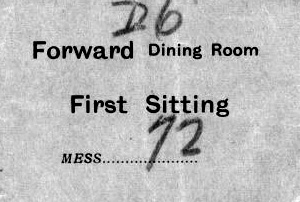
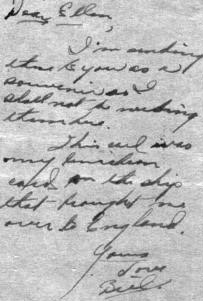
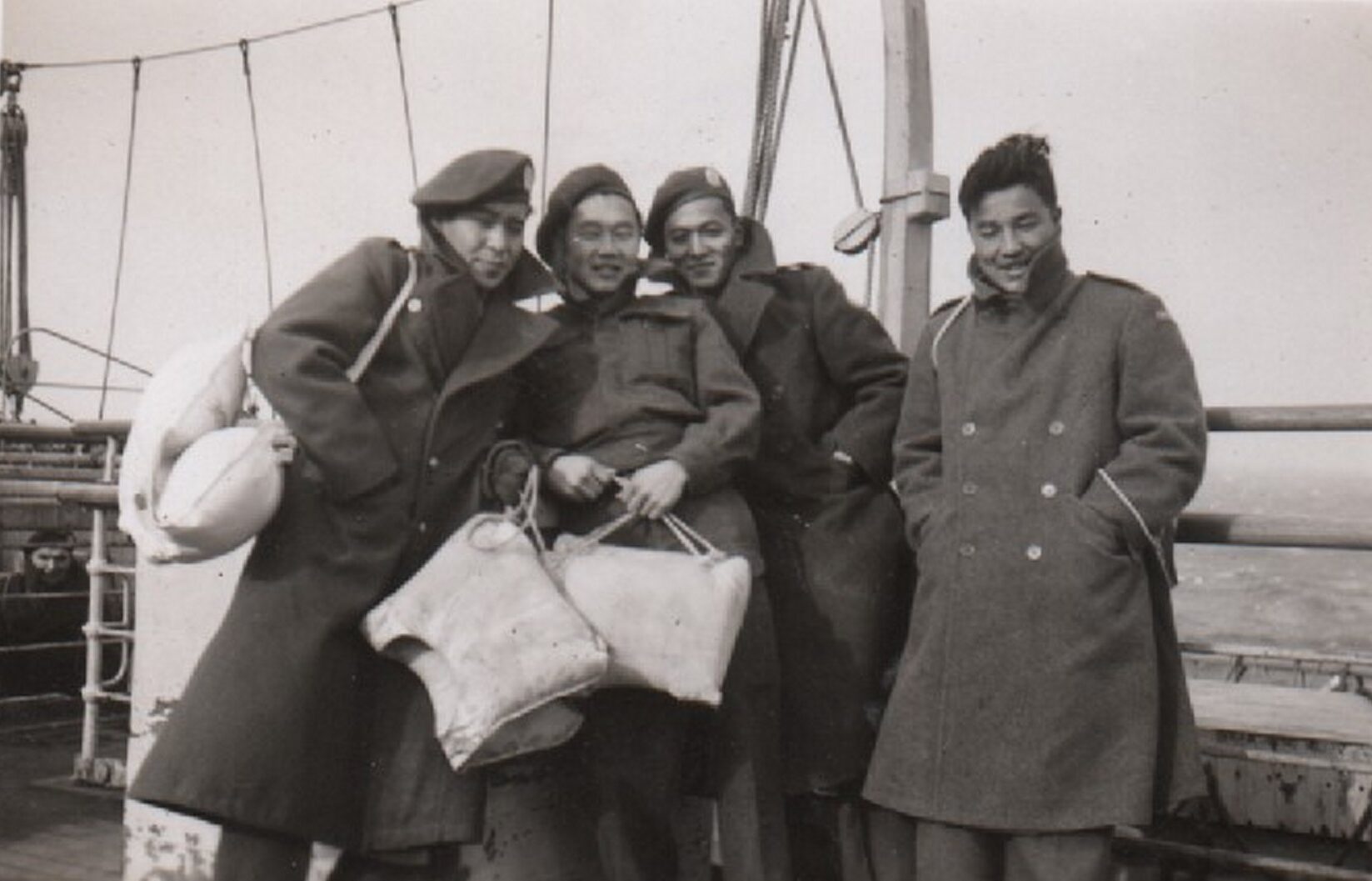
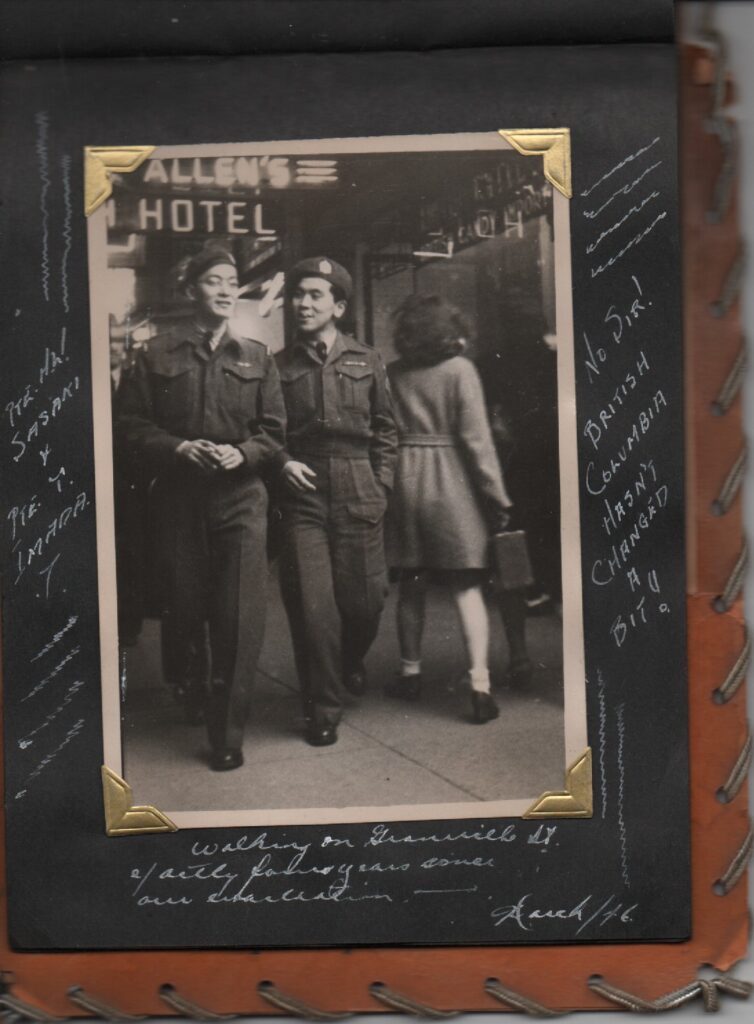
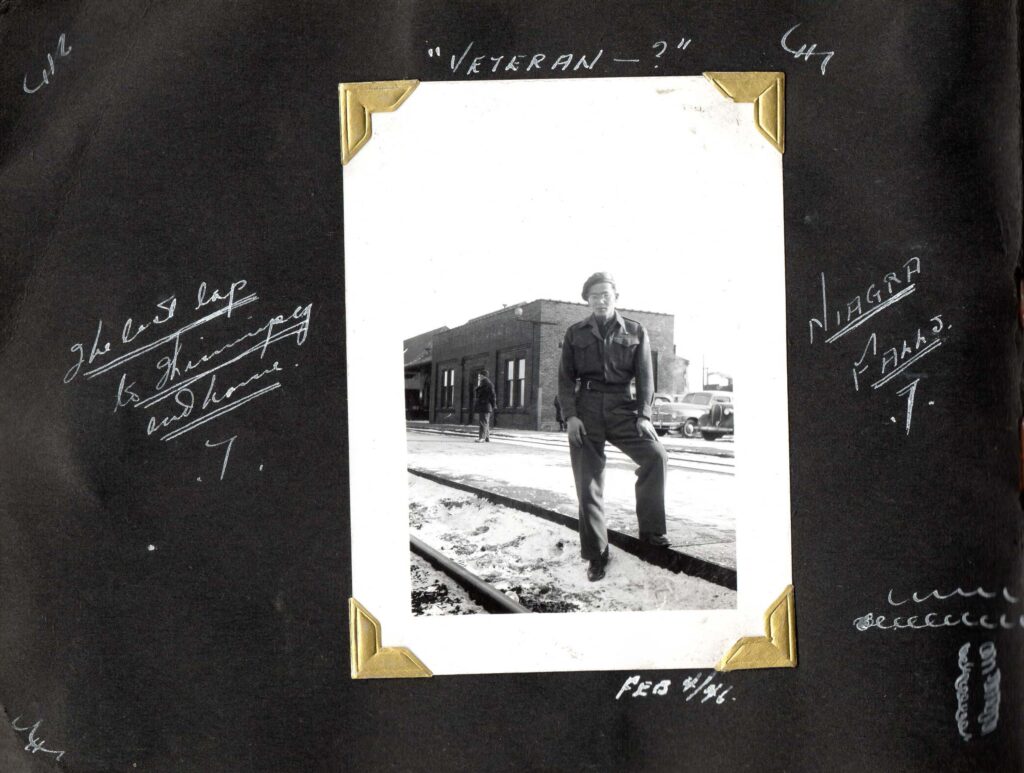
He worked mostly in India with the Southeast Asia Command (SEAC). He served for one year, mainly with the group of soldiers recruited from Winnipeg. He returned from overseas in 1946.
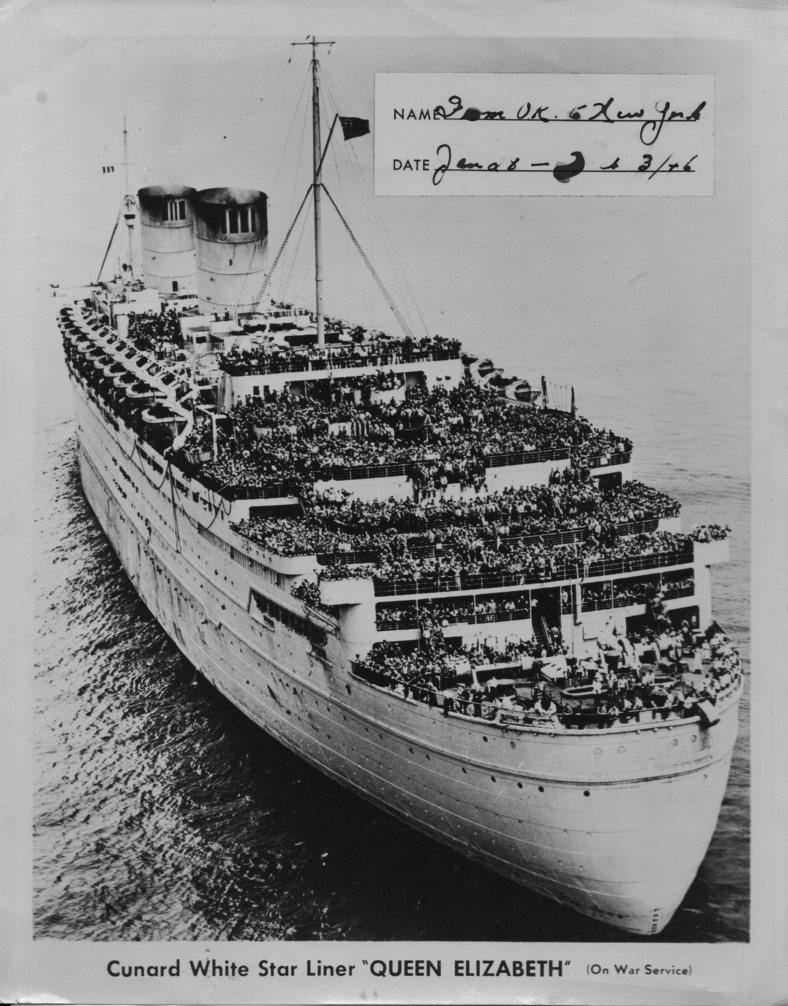
After his discharge, he completed a six-month woodworking course and worked for Riteway Limited until 1952. He also worked in insurance and real estate businesses.
Bill Sasaki was eventually elected councillor for the city of Winnipeg and would sometimes act as interpreter for Japanese visitors.
Bill worked with Harold Hirose both during the war and afterwards in Winnipeg. They organized the Manitoba Japanese Canadian Cultural Association with others, including war veterans. He was a founder of the Toronto-based Japanese Canadian Citizens Association.
In Winnipeg, he was the president of several organizations;
- the Kiwanis club (and he held many other positions within the Kiwanis club)
- Manitoba Japanese Canadian Cultural Association
- The multicultural Crucible Club, which later became part of the YMCA, which promoted understanding between Nisei and other Canadians.
He spent a lot of volunteer time helping Winnipeg Japanese Canadian veterans.
His favorite hobbies were fishing and photography.