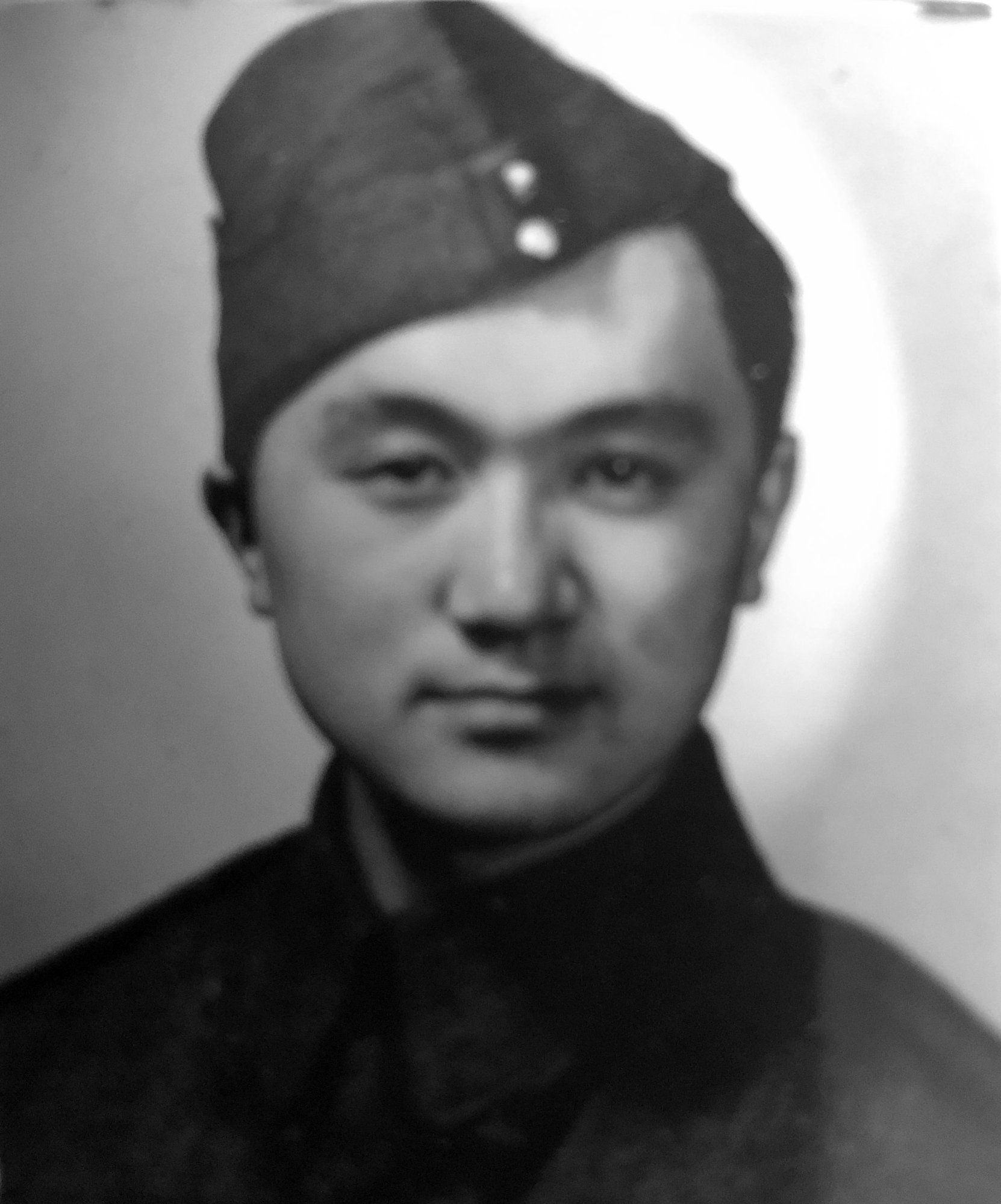
February 11, 1921 – February 4, 2022
Jack Nakamoto’s parents were Nisuke Nakamoto and Yoshi Nishimura. They were from Kagoshima Prefecture in Japan. Jack, born in Vancouver, was the oldest of three sons. His mother died when he was young. His father, who had served in the Russo-Japanese War, ran a shoe repair shop in Vancouver’s Powell Street neighbourhood. During the Japanese Canadian internment, Jack’s father and brother were forcibly removed to the prison camp at Slocan, two years after Jack’s enlistment.

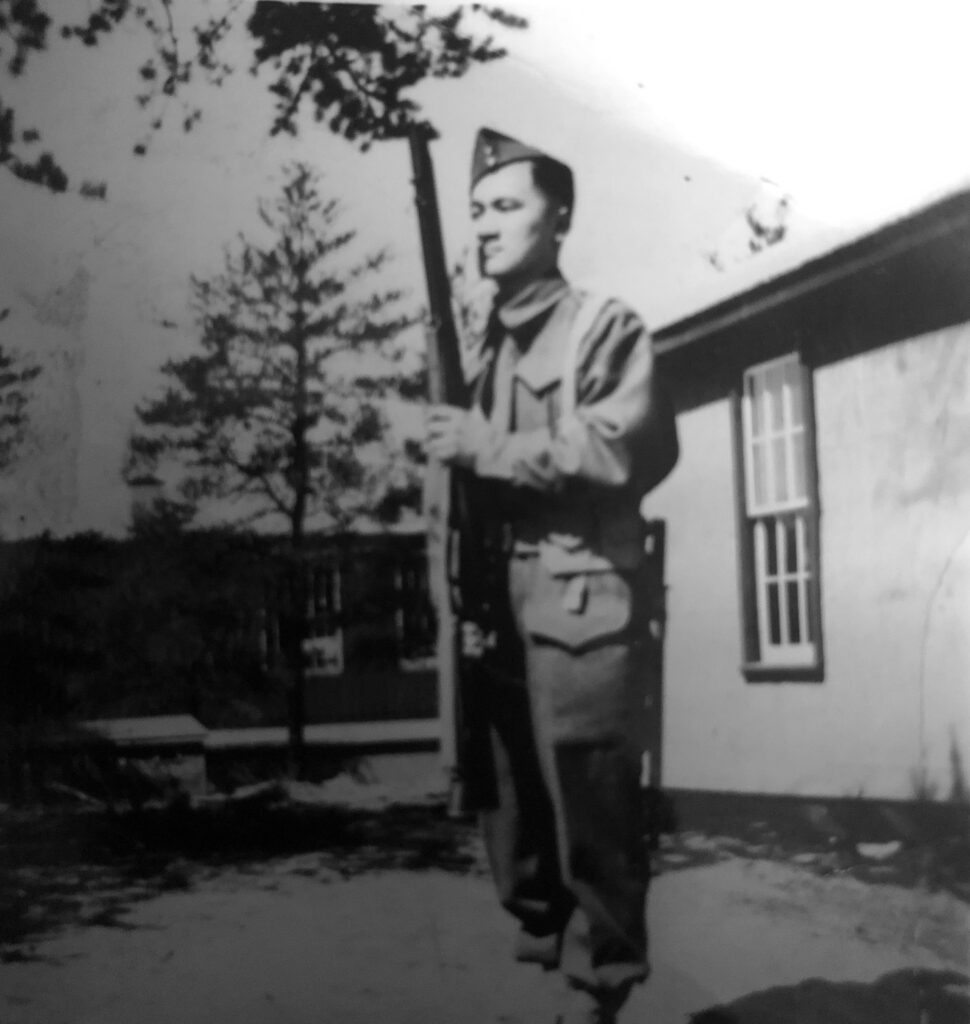
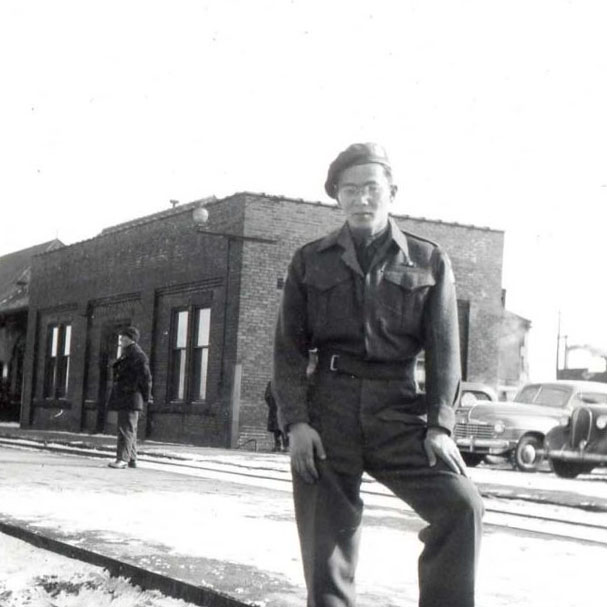
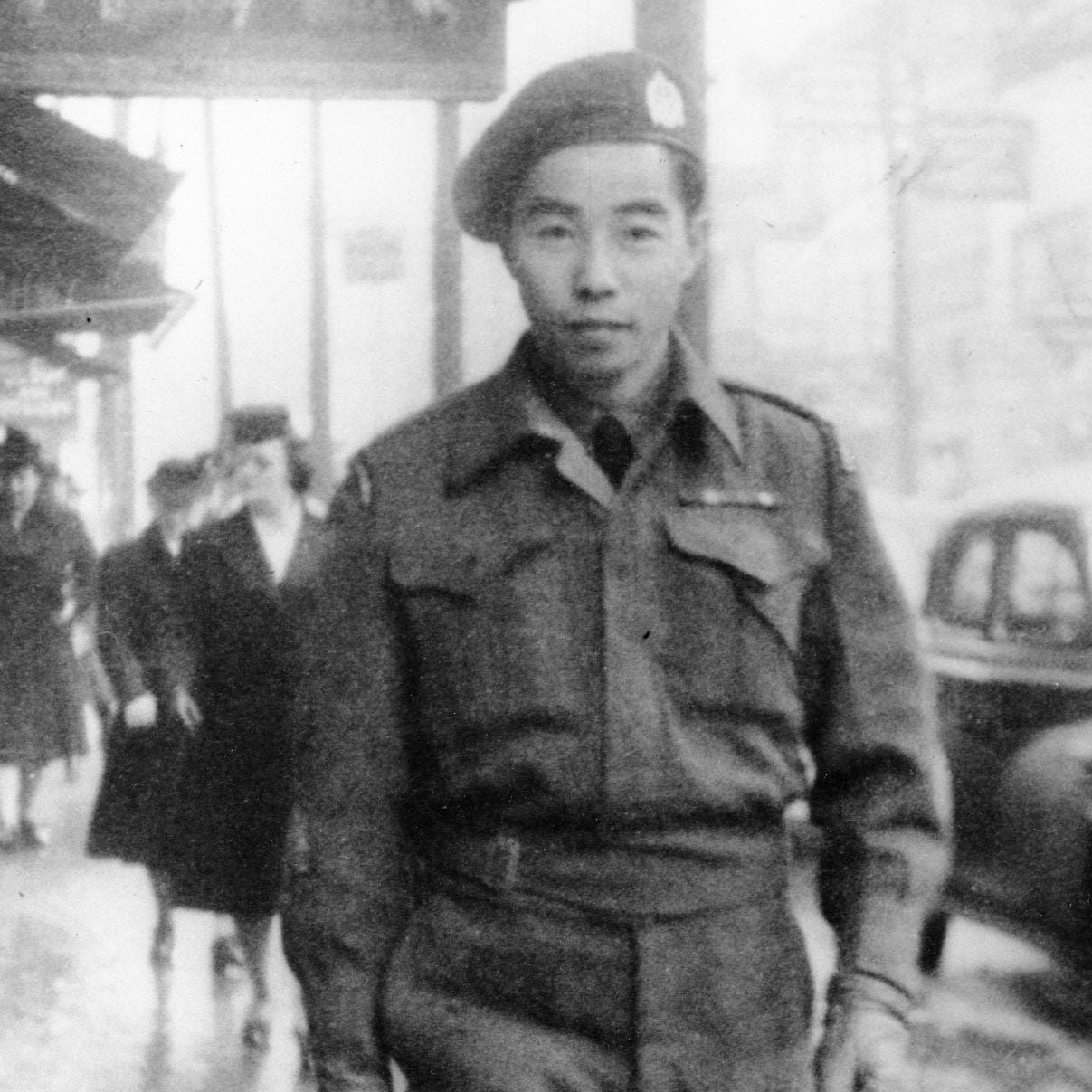
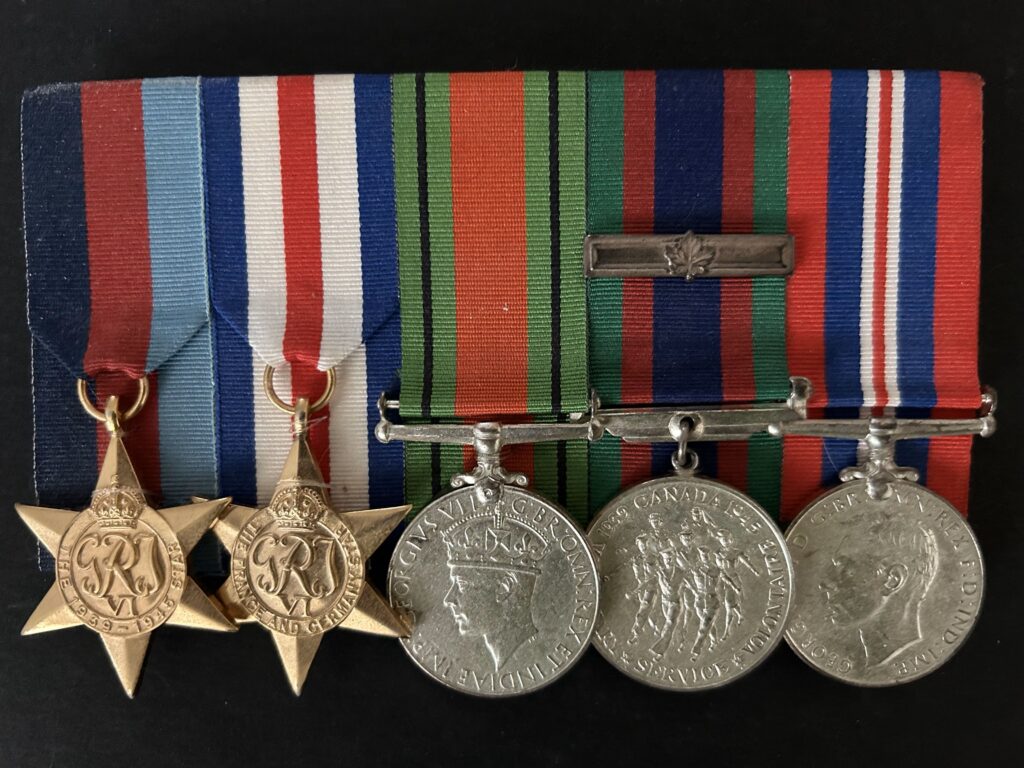
Jack was 18 when the Second World War began. He strongly believed he should serve his country, despite the ongoing mistreatment of his family members. In 1940, British Columbia was not accepting Japanese Canadians into the army. He was rejected at the Vancouver recruiting office. He travelled eastward by train and by hitchhiking, and applied unsuccessfully at recruiting centres between Calgary and Montreal. He worked at a Salvation Army kitchen in Quebec City for eight months. Salvation Army members were impressed by his motivation to enlist, and recommended him to the local recruitment office. On June 5, 1940, he was finally accepted. He served with the 16th Field Company, Royal Canadian Engineers, beginning with basic training in Canada. He was sent first to London, England, where he experienced the Blitz. He was also sent to France in October 1944 and fought on the front lines for two months. He was then recalled to England. At this point, he learned that he had been under surveillance by the Army because of his Japanese background but he was now off the “suspect list”.
He had learned Japanese at home and at night school (in Vancouver). In England, he translated Japanese newspapers and military documents.
Upon discharge from the army, he studied art and design at George Williams College in Montreal. He married Sadako Ito in 1951. Her family had been forced during the internment to move from Mission, BC to work on a sugar beet farm at Picture Butte, Alberta. They had two children. Jack worked for the federal public service in Ottawa as a graphic designer for many years. The Nakamotos were among the first nikkei to move to Ottawa. Meetings and dinners at their home eventually became the basis for the Ottawa Japanese Canadian Association (OJCA). Jack was a founding member of both the Japan-Canada Society in Ottawa and the Ottawa Japanese Language School. He created signs for many Japanese Canadian events in Ottawa.
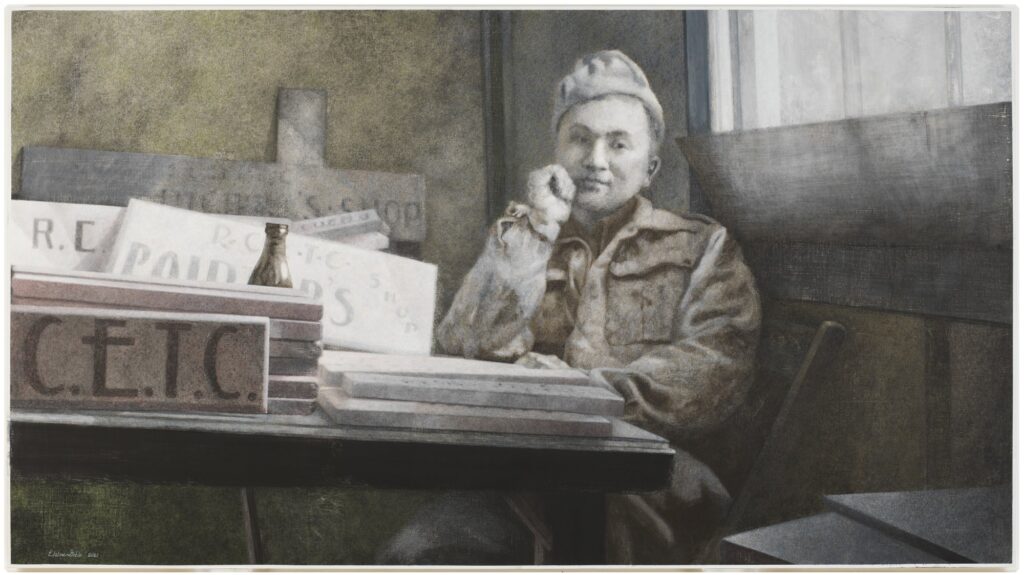
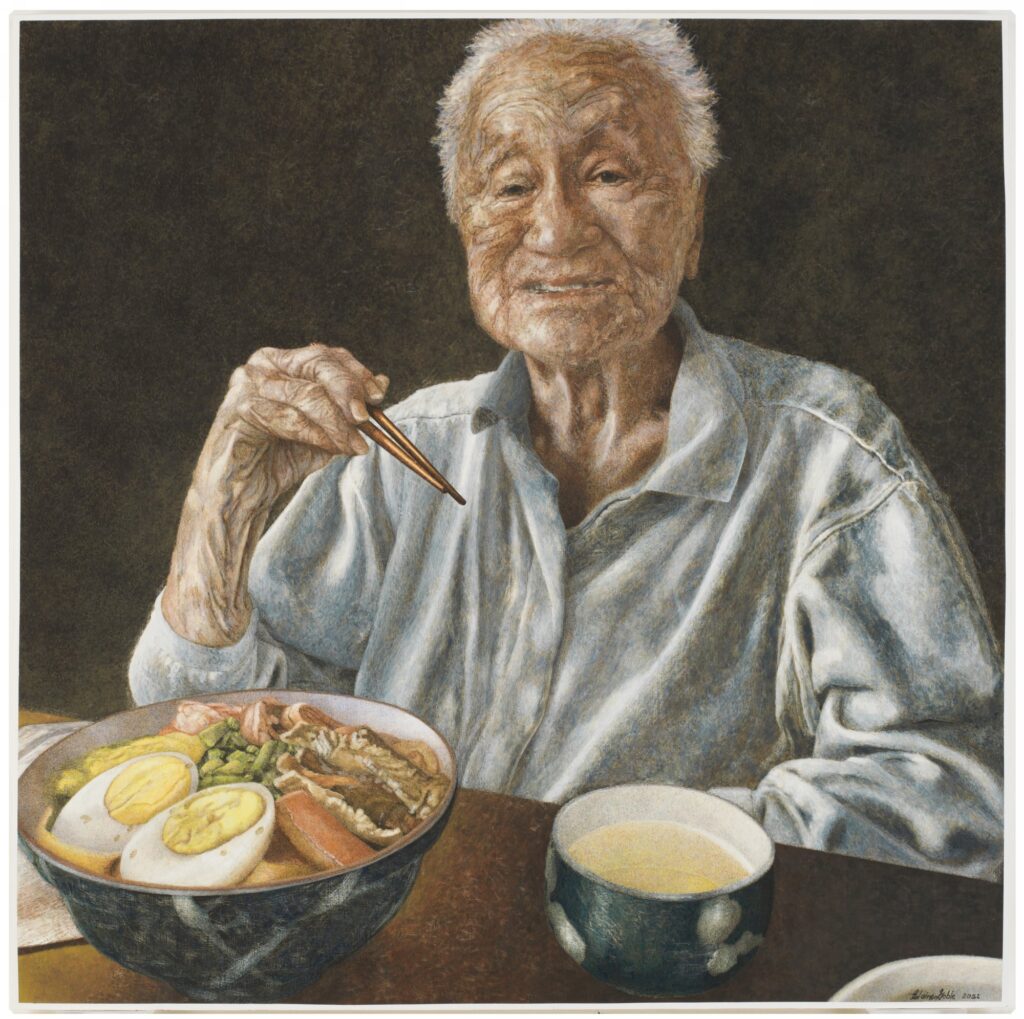
Jack worked long past the age of 65 at Transport Canada. His interests in retirement included cartooning and senryu, Japanese poetry based on 17 syllables. He published two books, the Senryu Cartoon book (1992) and Jack’s Japonica (2011). He was involved in Legion activities. He was also a volunteer at the Canadian War Museum for many years. The Canadian War Museum is honoring Jack with two portraits by artist Elaine Goble.