September 15, 1922 – October 12, 2018
Minoru Yatabe was born in 1922, the fourth of eight children, to Gensaku and Tsune Yatabe. The family lived in the Kitsilano area of Vancouver. Min’s father Gensaku, from Ibaraki Prefecture, was one of many Japanese gardeners who lived in Kitsilano. Tsune was from Miyagi Prefecture.
When Min and his friends were young, they would earn money by guiding automobiles with lanterns through the Vancouver streets in heavy fog. During high school, Min delivered copies of the New Canadian newspapers to Vancouver subscribers by bicycle. As a student, Min excelled at languages: Latin, German, and French. This skill would serve him well in later years.
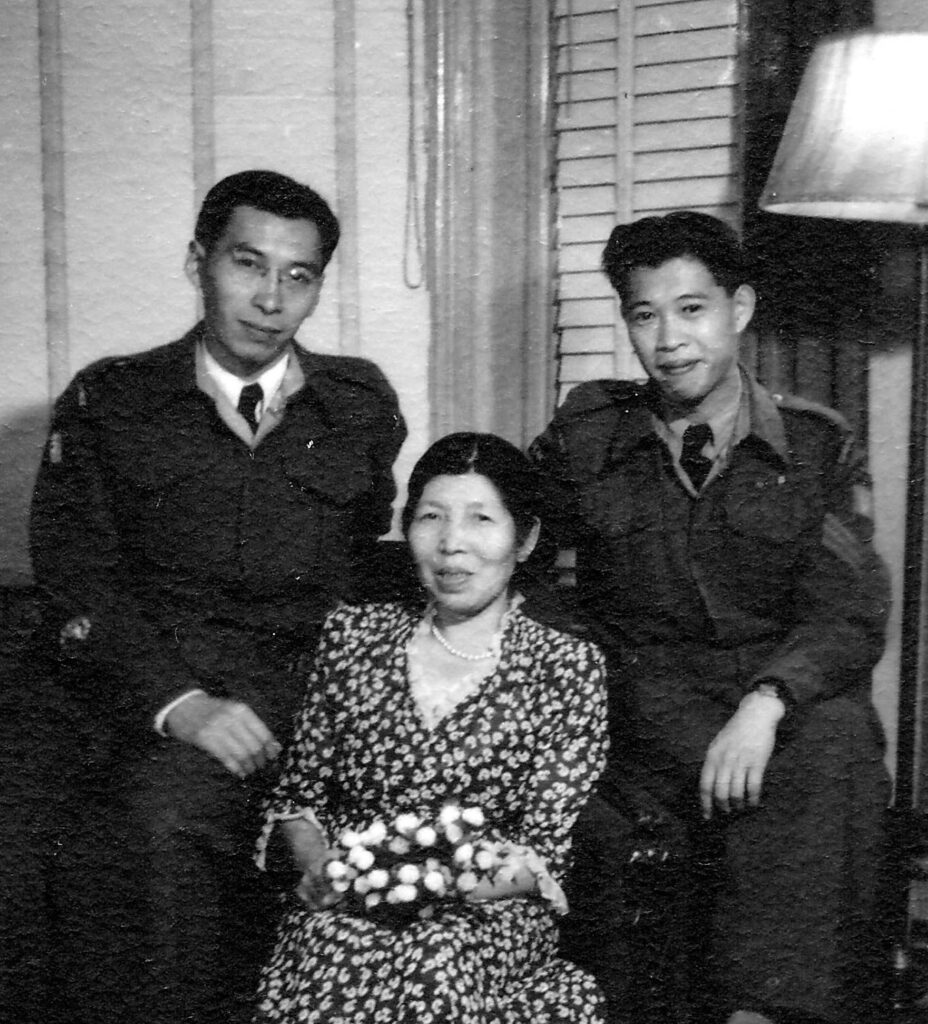
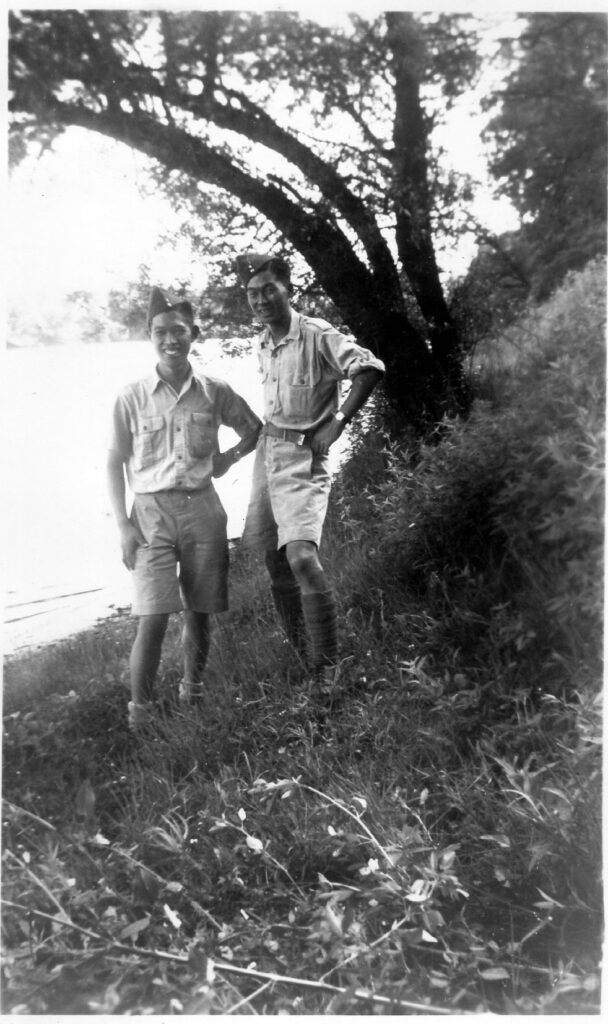
Gensaku passed away in 1938 at the age of 60. He had been bedridden for two years. The death left the family struggling financially, and Min’s oldest brother, Mas, took over his father’s gardening business. Both Min and older brother Eiji worked for Mas after the death of their father.
Min attended the University of British Columbia for a year on a scholarship, then worked at a paper mill in Ocean Falls to earn tuition. His university plans were ruined by the bombing of Pearl Harbor, and he returned home. Japanese Canadian students had been expelled by UBC.
Min’s father’s major client had been Lt. Col. Nelson Spencer, who in the First World War had been the commanding officer of the 175th Battalion of the Canadian Expeditionary Force. The battalion included many Japanese Canadian issei volunteers. Spencer warned the Yatabe family about the impending internment and arranged for them to move in 1942 to St. Thomas, Ontario to work on the farm of his good friend Mitch Hepburn, the premier of Ontario.
Eiji, the second-oldest brother, remained in Vancouver to work. Thanks to Nelson Spencer, the Yatabe family stayed together and avoided internment in prison camps, sugar beet farms, and labour camps.
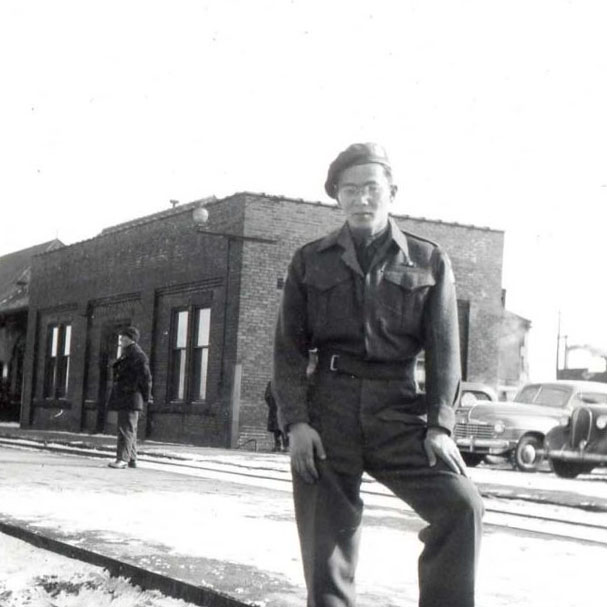
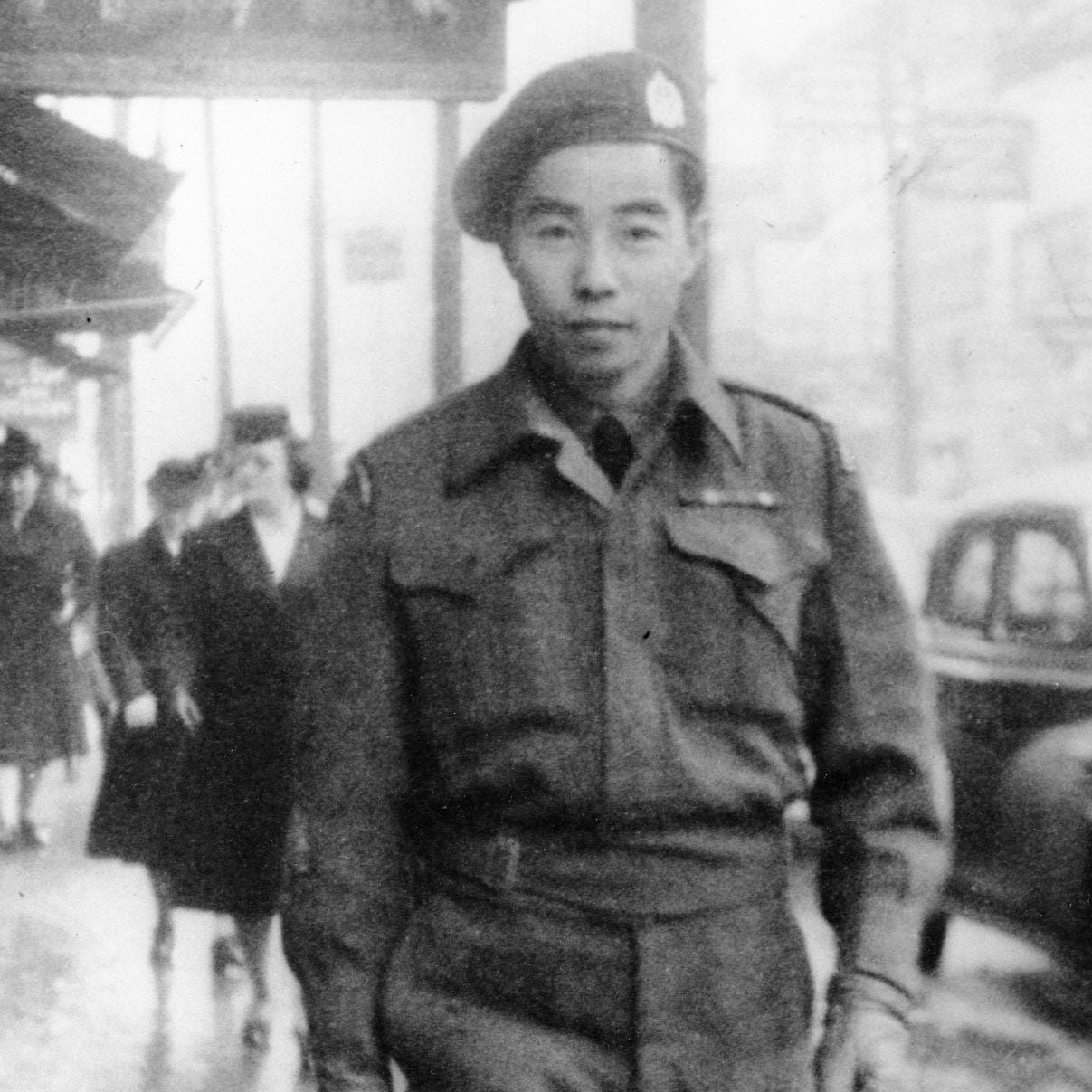
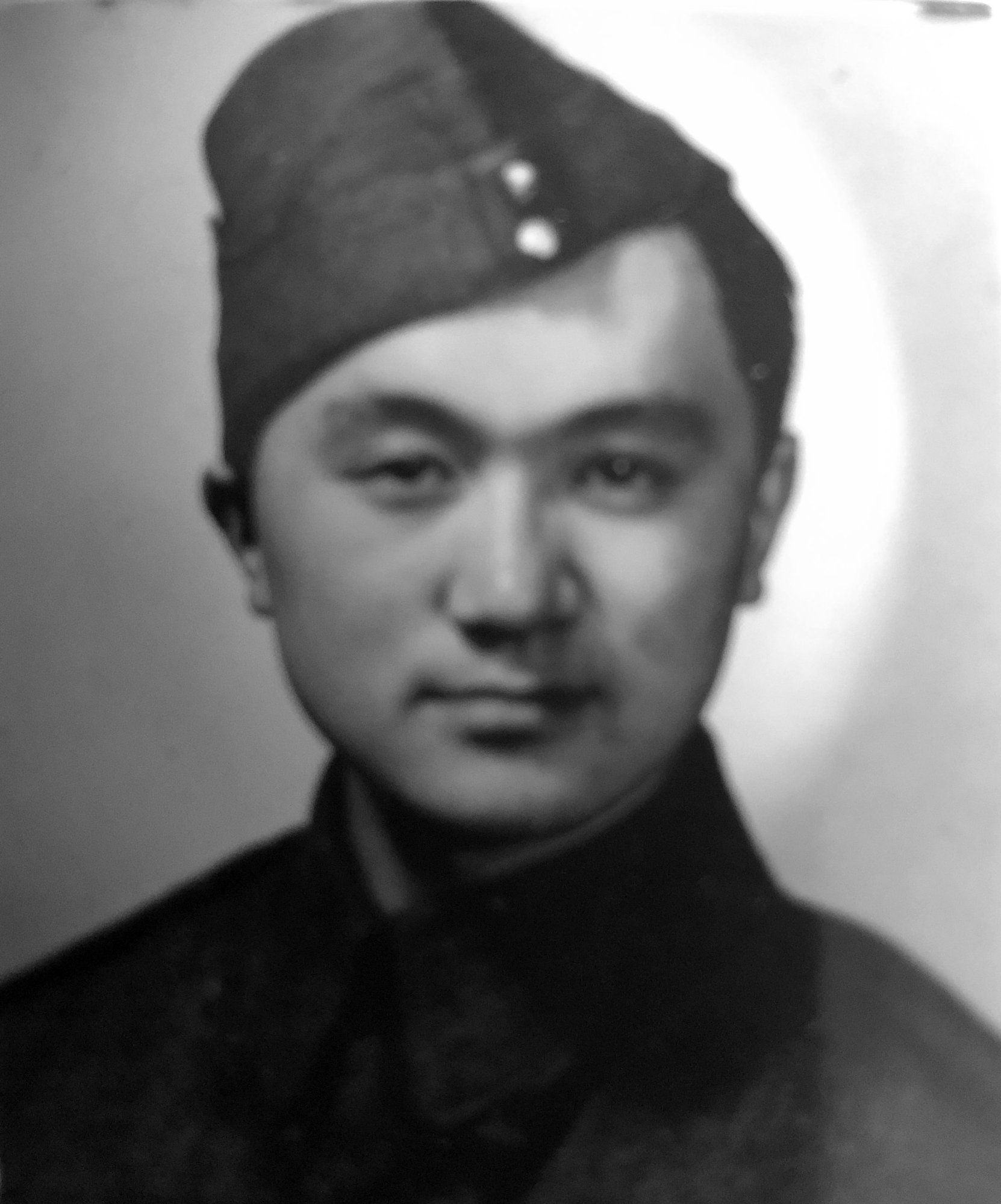
In March 1945, both Eiji and Min enlisted for military service in Toronto. Eiji and Min were put in the S-20 group and spent their first three days after enlistment recruiting other nisei in Southwest Ontario.
Min said: “When the enlistment decision was announced, most nisei lads welcomed it as an opportunity to demonstrate our loyalty to Canada and thus show our community in a good light to the country of our birth”.
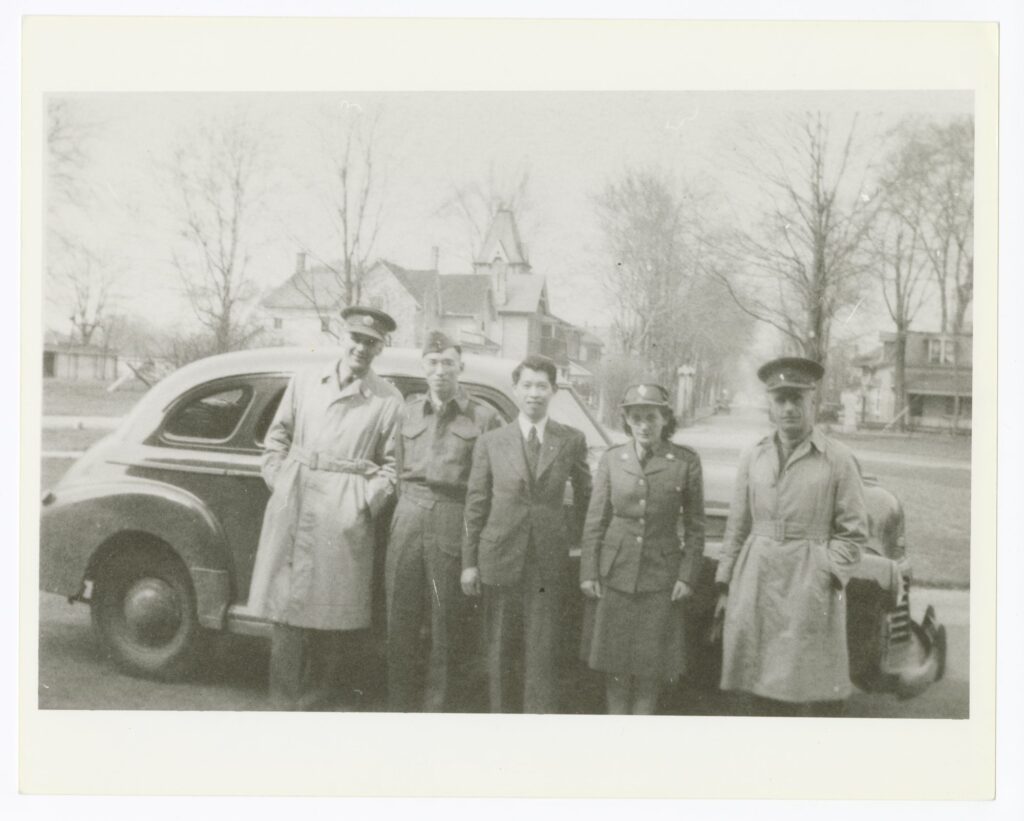
The S-20 group attended training camp in Brantford, Ontario, then intensive Japanese language training at the S-20 School in Vancouver (the city was then empty of Japanese Canadians). Eiji was in the first draft from the S-20 school that included nisei soldiers, in October 1945, and headed overseas for Singapore via England and India.
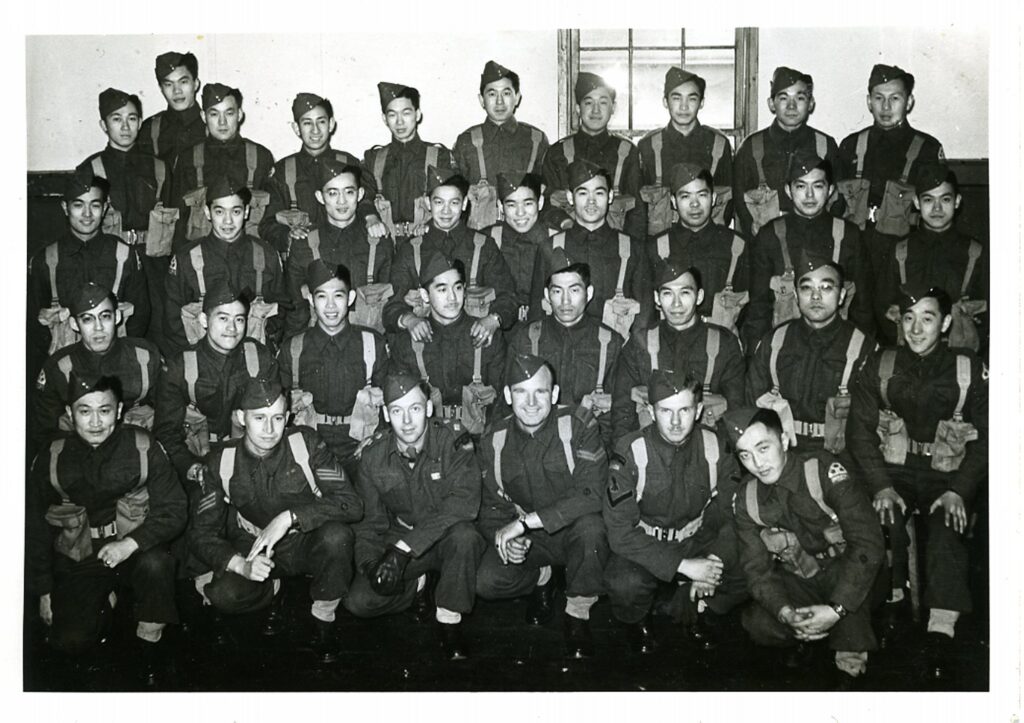
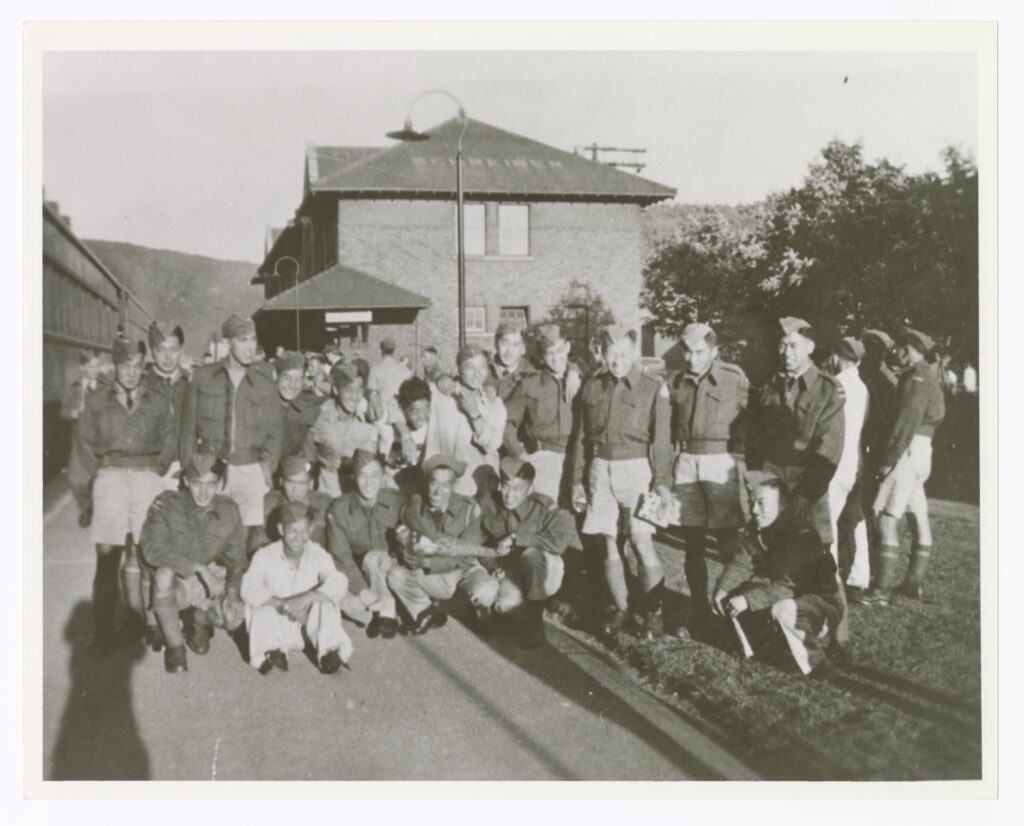
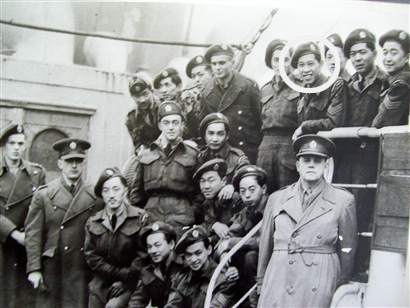
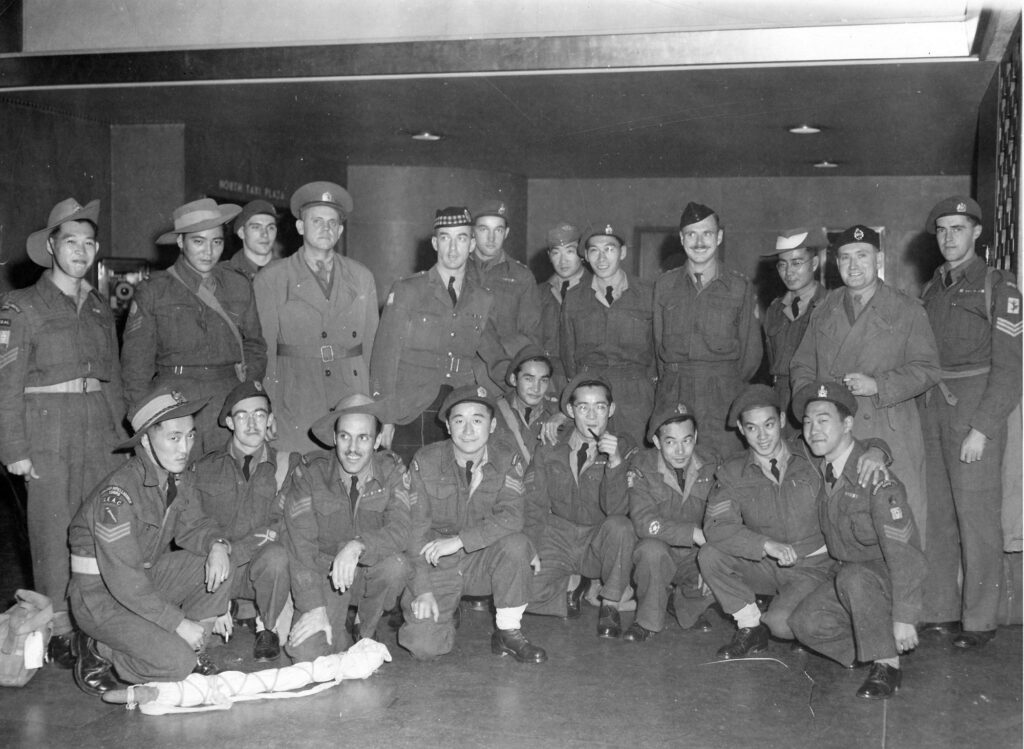
Min was in the second nisei draft from S-20, which left Vancouver in January 1946. Min was one of 14 nisei in this group. He was 22. He visited his former high school Latin teacher in Glasgow while posted in the UK.
He first went to South Malaysia, working with a British field security unit to collect evidence of war crimes inflicted by the Japanese Kempeitai.
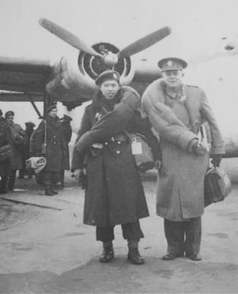
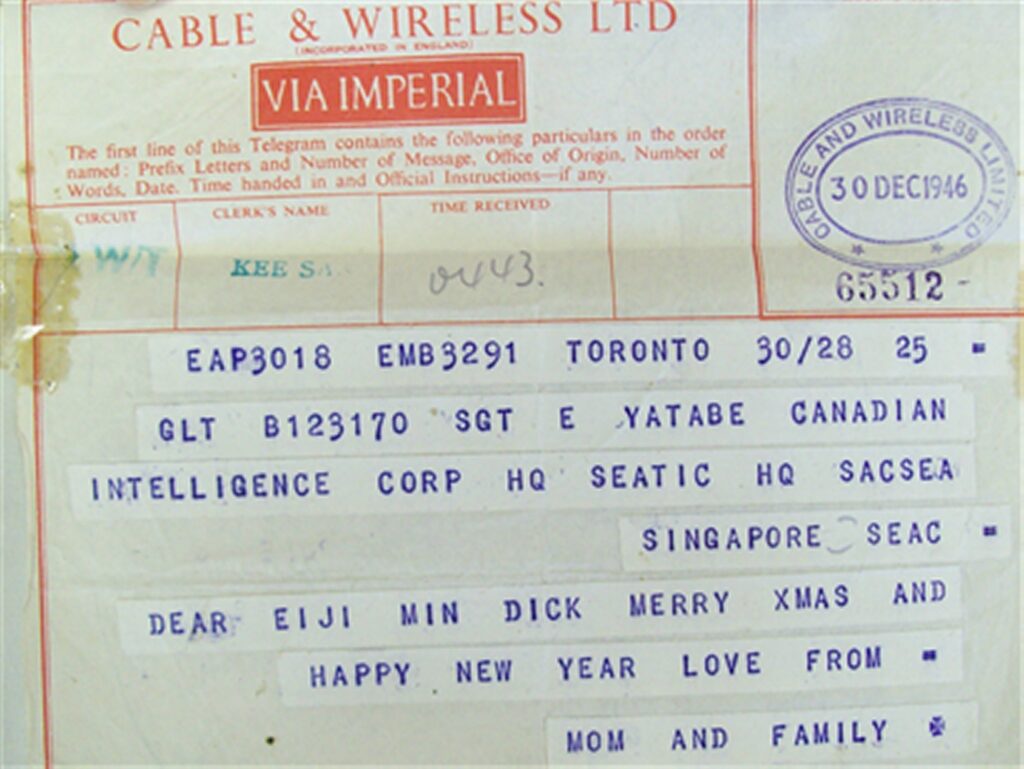
Then Min was re-assigned to Eiji`s unit in Thailand, to check members of the surrendered Japanese 15th Area Army, one of Japan’s 14 armies. This army of 150,000 men was involved in the construction of the Burma-Siam railway. The objective was to identify those who had committed war crimes and apprehend them before their army units were sent back to Japan. Min and Eiji were the only translators in the unit who could converse in Japanese. The other translators (from the US, Australia, New Zealand, and the UK) were not of Japanese origin. The unit worked under the protection of a company of the Queen`s Own Infantry Regiment to protect them against local bandit gangs, called dacoits. The Japanese army was very cooperative after surrender; Min said that the dacoits were far more dangerous than the Japanese soldiers. Min and Eiji witnessed some frightening firefights between the dacoits and the Royal Air Force.
After six months, Min and his colleagues were sent to Bangkok for counter-intelligence work with British Intelligence colonel Eric Morris while Eiji remained in Thailand. There was a German presence in Bangkok, and Min did some eavesdropping and translation in the German language.
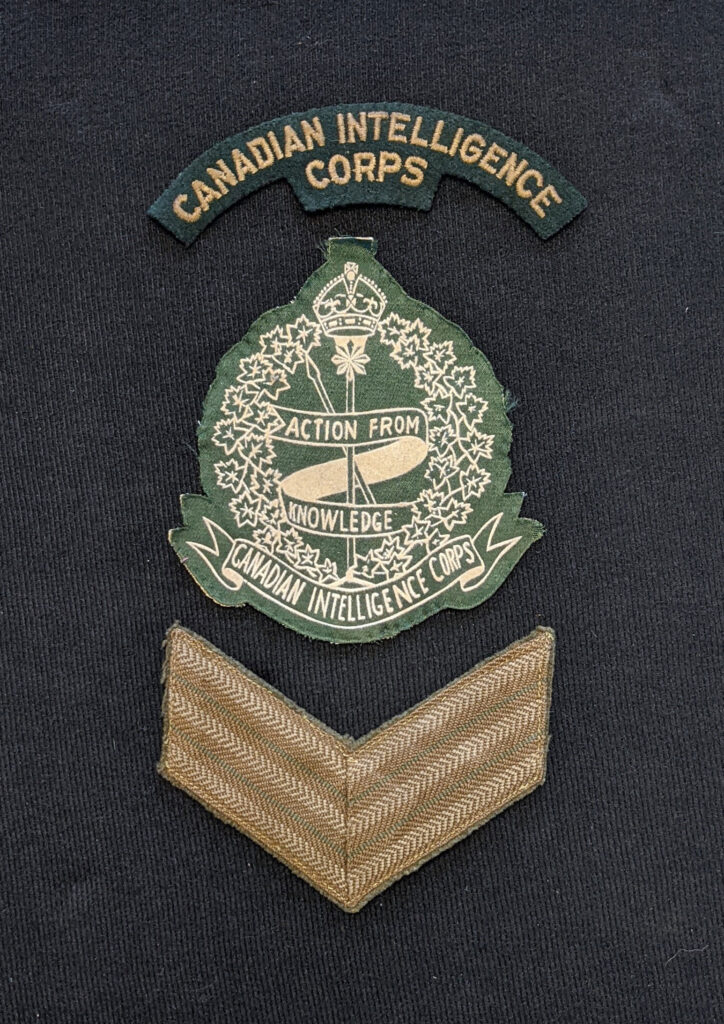
Min’s final job was to escort a military train carrying surrendered Japanese troops from southern Thailand to Changi Gaol in Singapore. He and Eiji returned to Canada in May 1947. They felt that the Japanese that they learned at S-20 was adequate for the work they did in southeast Asia.
After six months, Min and his colleagues were sent to Bangkok for counter-intelligence work with British Intelligence colonel Eric Morris while Eiji remained in Thailand. There was a German presence in Bangkok, and Min did some eavesdropping and translation in the German language.
Min’s final job was to escort a military train carrying surrendered Japanese troops from southern Thailand to Changi Gaol in Singapore. He and Eiji returned to Canada in May 1947. They felt that the Japanese that they learned at S-20 was adequate for the work they did in southeast Asia.
After his army discharge, Min went back to school, with the support of Veterans Affairs. He had been out of school for six years. He attended University of Toronto and graduated in chemical engineering in 1952. His lifetime work was with a major consulting engineering company (Gore and Storrie) in Toronto, specializing in municipal and industrial water and wastewater treatment throughout Canada.
He married Lydia Nakamura in 1952. They had three children, five grandchildren, and three great grandchildren.
A talented public speaker, Min was frequently asked to make presentations and speeches at veterans’ events at the Japanese Canadian Cultural Centre, Royal Canadian Legion, schools, and the Bayview United Church. Many interviews and stories about Min’s military history can be found online. He wanted to ensure that the story of the Japanese Canadian veterans is passed on to younger generations.
In 1990, Min and Lydia embarked on a 77-day journey to South-East Asia to re-visit all the places Min had served in and to see many places he had missed during his post-Pacific War work. It was the first time Min had been there since his war service. When Min and Lydia travelled to Thailand, Min was invited to give a lecture on sanitary
engineering to the students and staff at the Udon Thani Teachers College in Thailand. Using his language skills, he spoke in English and Thai, with a professor providing translations.
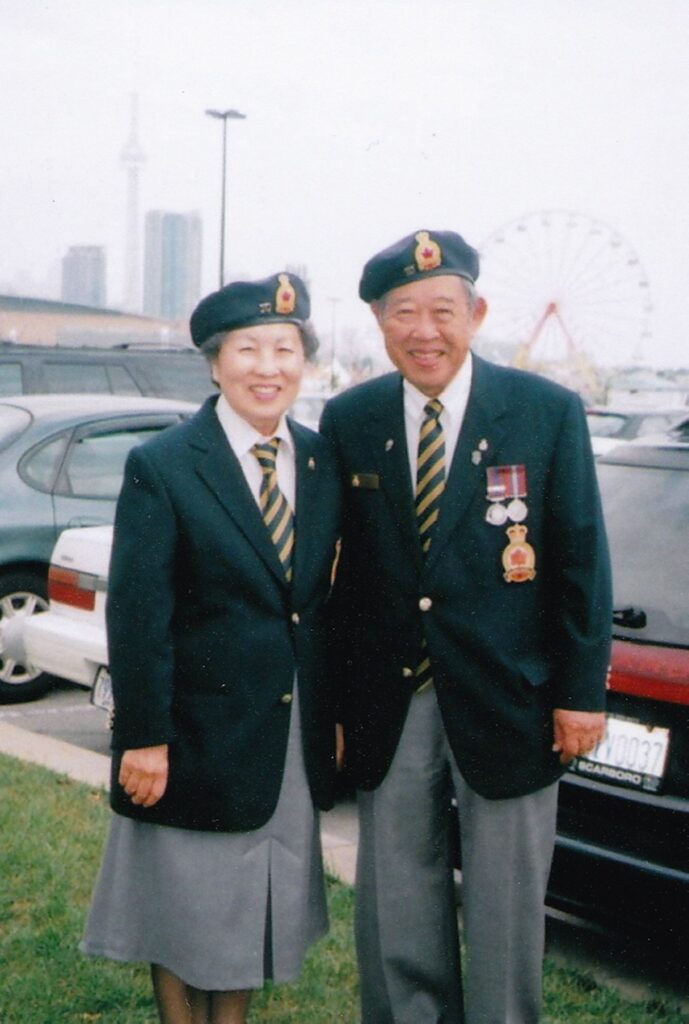
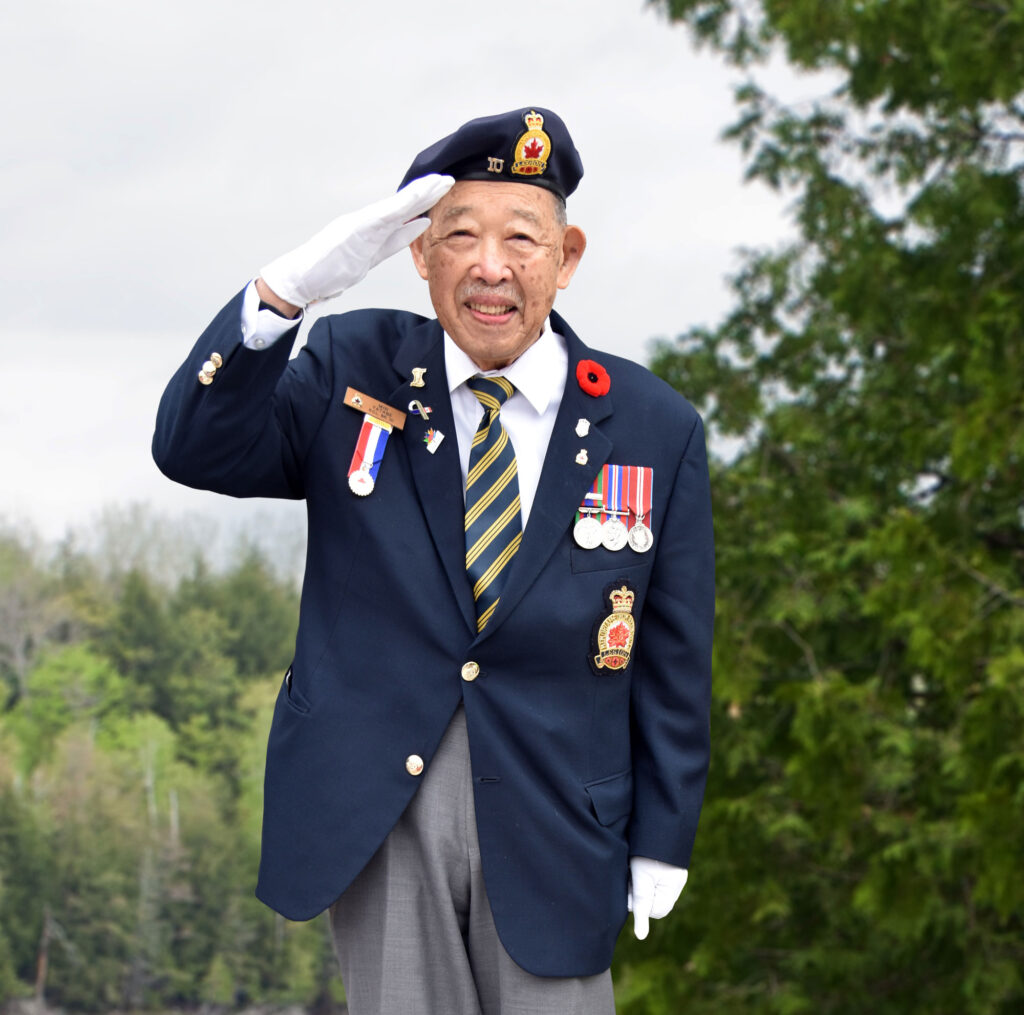
Min and Lydia volunteered with many organizations in Toronto. Min was treasurer and volunteer for many years with the S20/Nisei Veterans’ Association and the Boy Scouts of Canada 4th Don Mills. he was a proud member of Branch 10 of the Royal Canadian Legion along with Lydia as Associate member. He and Lydia also volunteered in Don Mills with the seniors’ organization Better Living, the United Church, and the Japanese Canadian Cultural Centre. In 2013 Min received the Queens Diamond Jubilee medal for his service to Canada. He also received an honorary degree in 2012 from UBC along with other Japanese Canadians who were expelled from the university after Pearl Harbor.