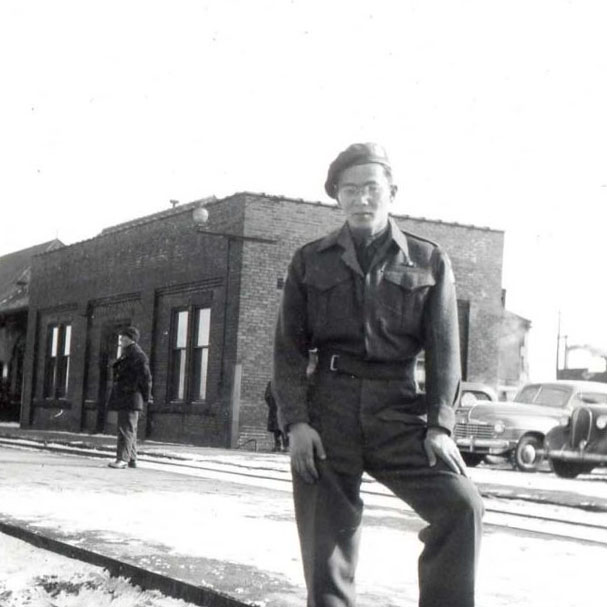
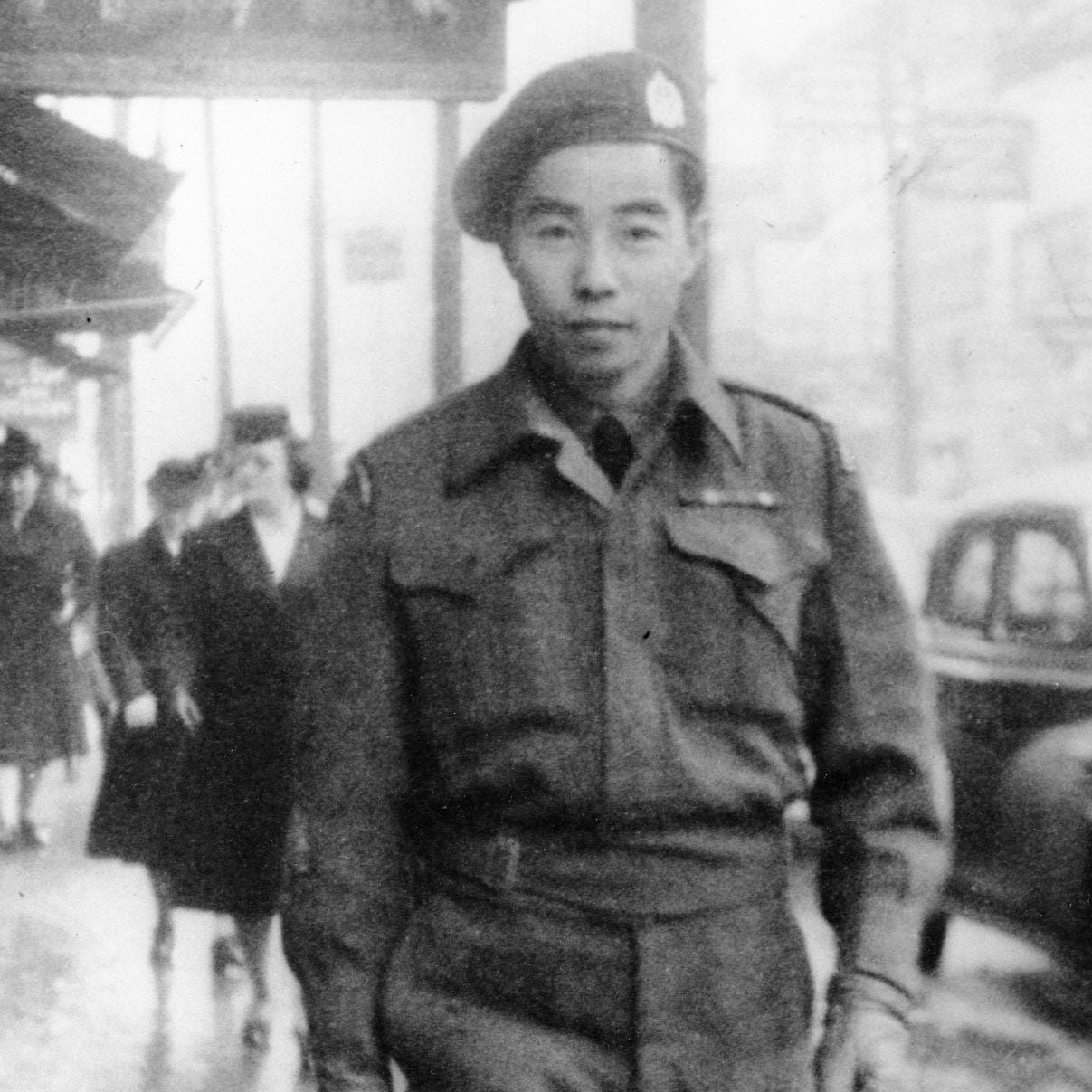
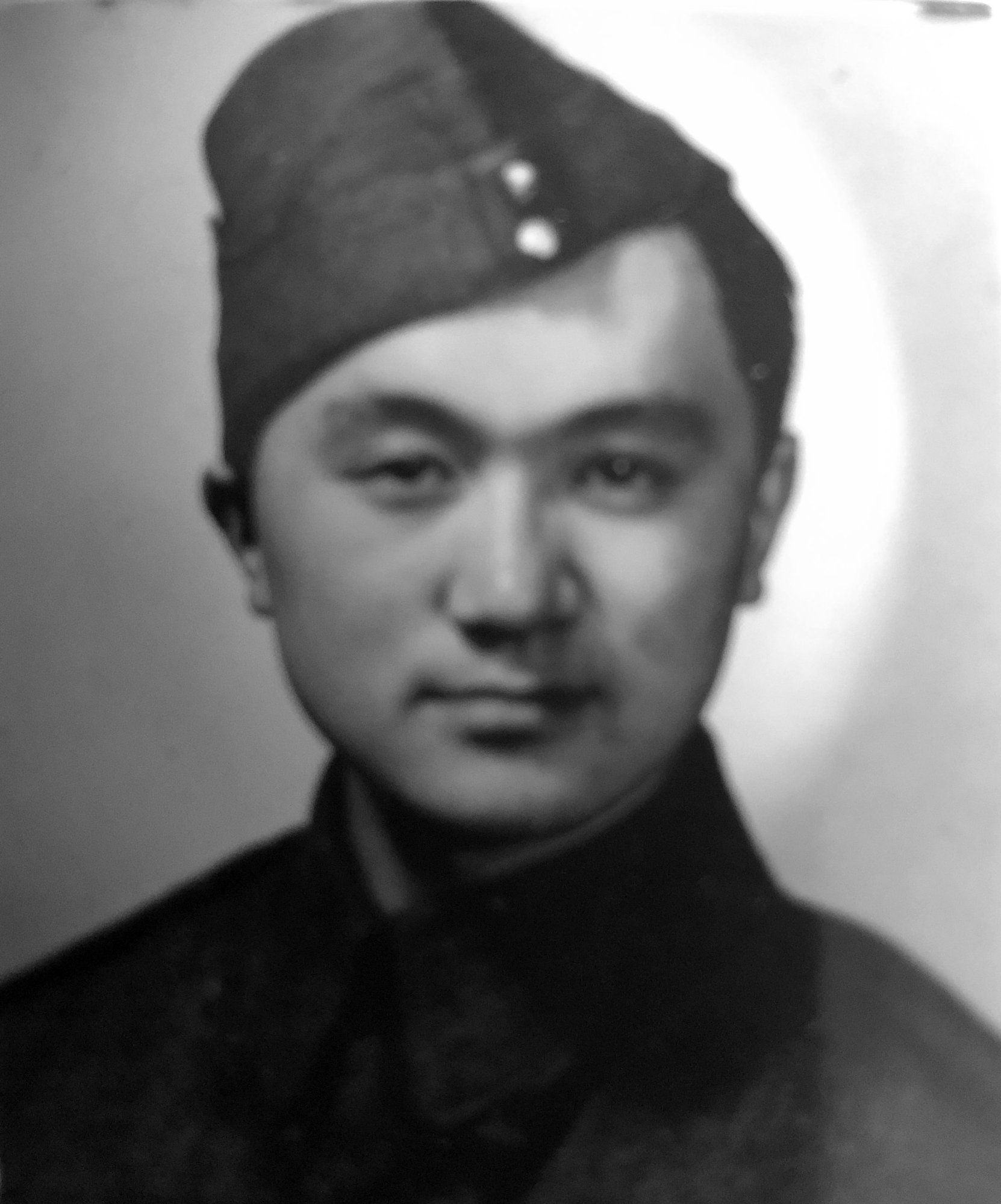
February 28, 1901 – January 14, 1981
Tony Kato was the son of Tosaku and Nakako Kato, who had left Japan in 1900 and settled in Vancouver. He was born in 1901 in Vancouver and had two sisters and five brothers. His father Tosaku worked in the lumber industry in North Vancouver (Takahashi-Lai, undated).
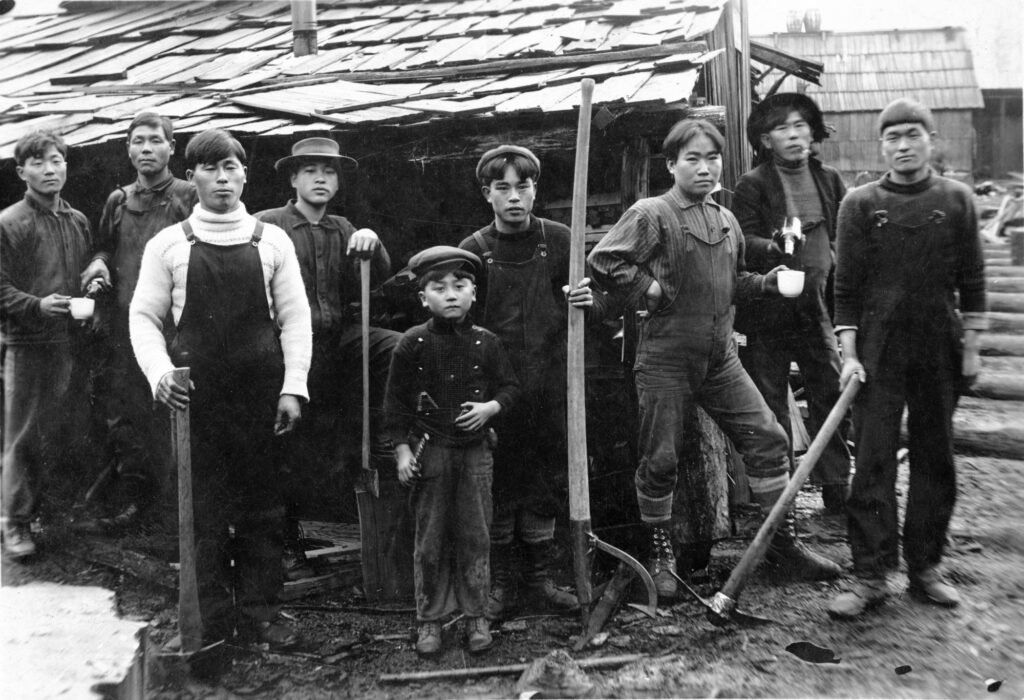

Tony was working for the Mayo Logging Company as a high rigger when he was accepted into the Canadian military on July 26, 1941 (The New Canadian, March 10, 1981). It was not for lack of trying, as he had attempted to enlist for two years. He enlisted at Victoria, BC when nisei in BC were not allowed in the Canadian military and was the first nisei from that province to be accepted. He began his service in the Forestry Corps, trained at Trois Rivières, Quebec, and was deployed to Scotland in January 1942 to harvest lumber needed for the war. His parents and youngest brother were interned during the war at Harris Ranch, near New Denver, BC (Ito, 1984). His other brothers, as single men, were sent to Ontario. As Tony’s wife was Caucasian, she and their two children were not interned, but the children were bullied because of their race. His wife changed the family’s surname from Kato to Cato, a name that sounded less Japanese (Takahashi-Lai, undated).
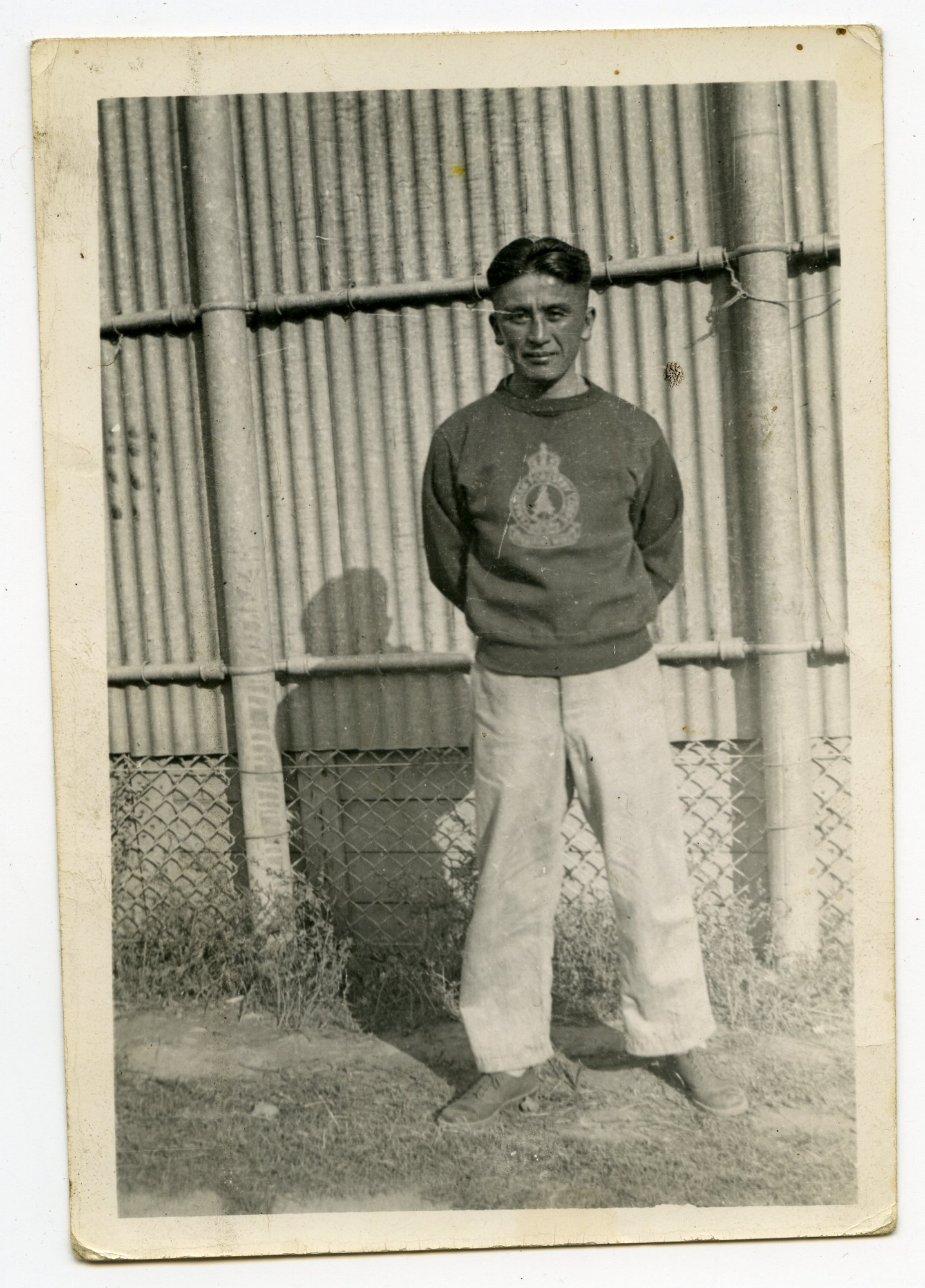
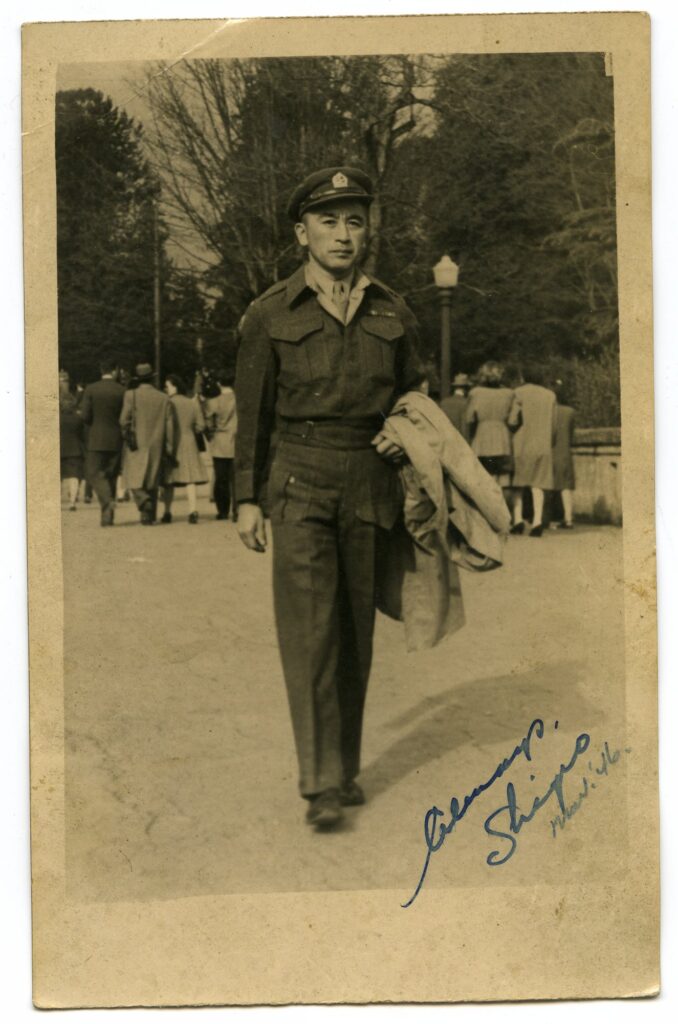
Tony was sent in October 1943 to the S-20 school in Vancouver as a Japanese language instructor, but had left in May 1944, before nisei students arrived at the school (The New Canadian, March 10, 1981). He was posted to British Intelligence Corps with the rank of Warrant Officer as an interpreter and interrogator, serving in India, Burma, Malaya, and Thailand. He took part in the Japanese surrender at Singapore (Ito, 1984). He was discharged in August 1946. Tony and his wife divorced that year and he remarried, settling in Port Moody (Takahashi-Lai, undated) with his second wife, Doris. He received the Canadian Volunteer Service Medal, Victory Medal, 39-45 Star, and Burma Star (The New Canadian, March 10, 1981).
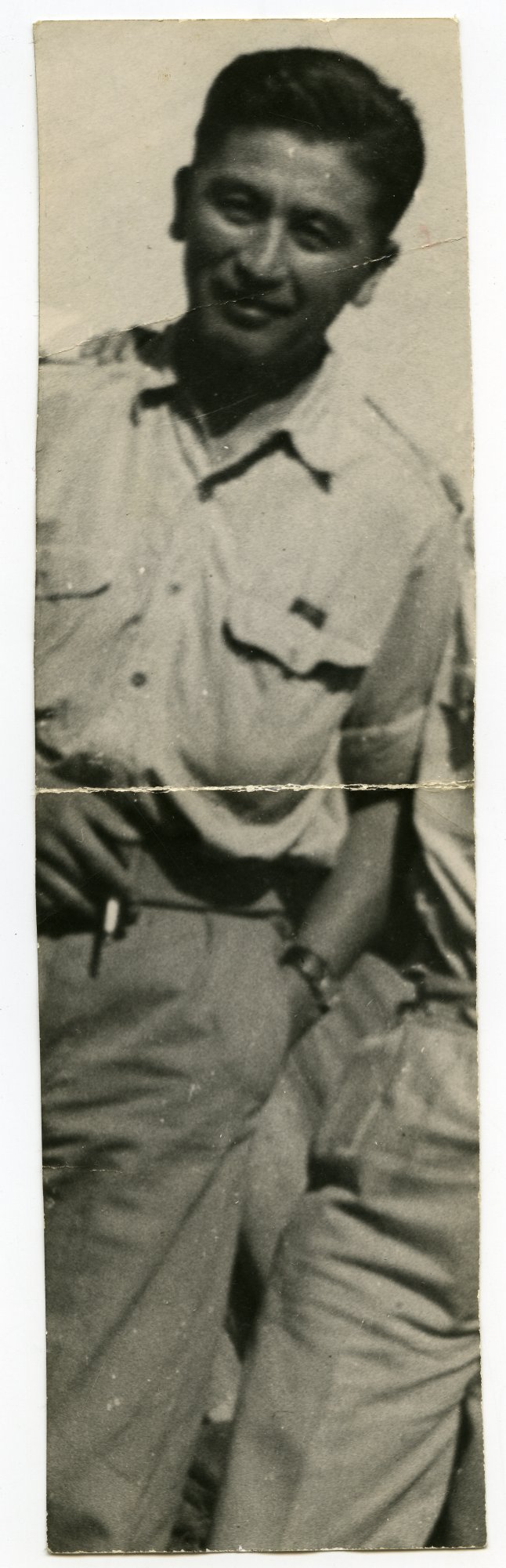
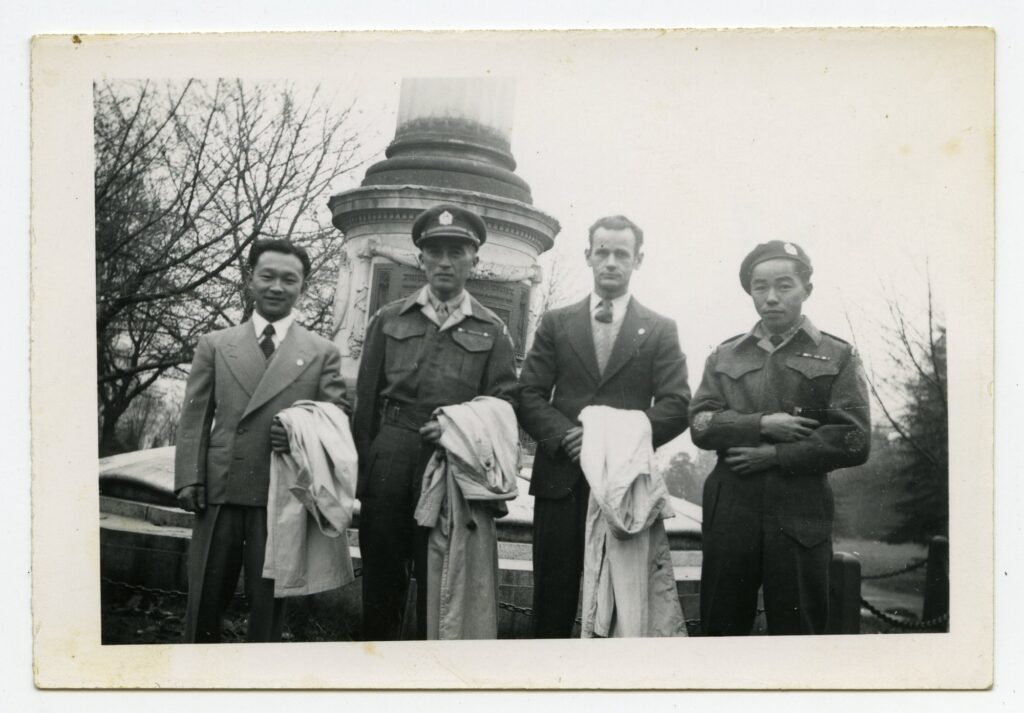
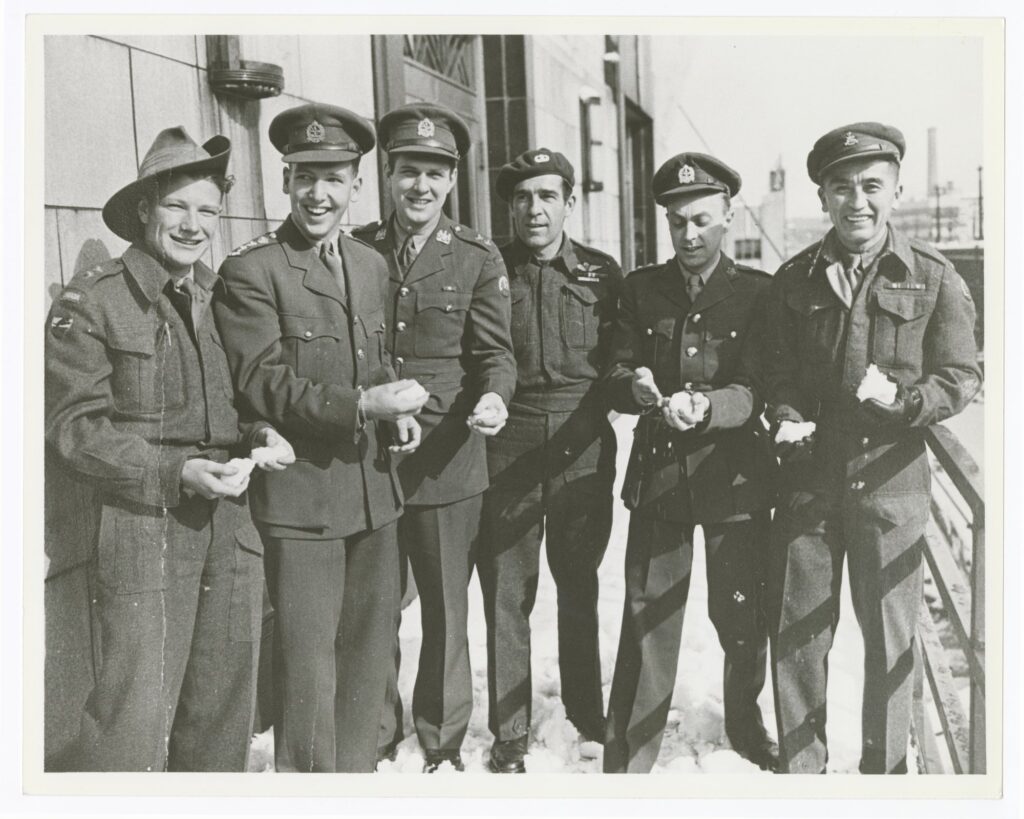
After returning from southeast Asia, he worked at a Japanese language school and at a fire department. Thanks to the Irish Sweepstakes, he was able to retire early. Tony’s brother Kazuo Kato (September 10, 1910 – February 16, 1995), despite being been interned at the Petawawa and Angler POW camps previously (Okazaki, 1996), enlisted for Pacific Service in 1945 and attended the S-20 school (Ito, 1984, p. 126). Tony’s and Kazuo’s mother died in 1958; their father in 1966. Tony’s granddaughter said that both Tony and Kazuo felt very strongly about the importance of fighting for Canada. Tony died in 1981, years before the 1988 redress and apology from the Canadian government. Tony’s son Robert served with the Royal Canadian Navy in the Korean War from 1950 to 1951 and retired from the Royal Canadian Navy in 1975.