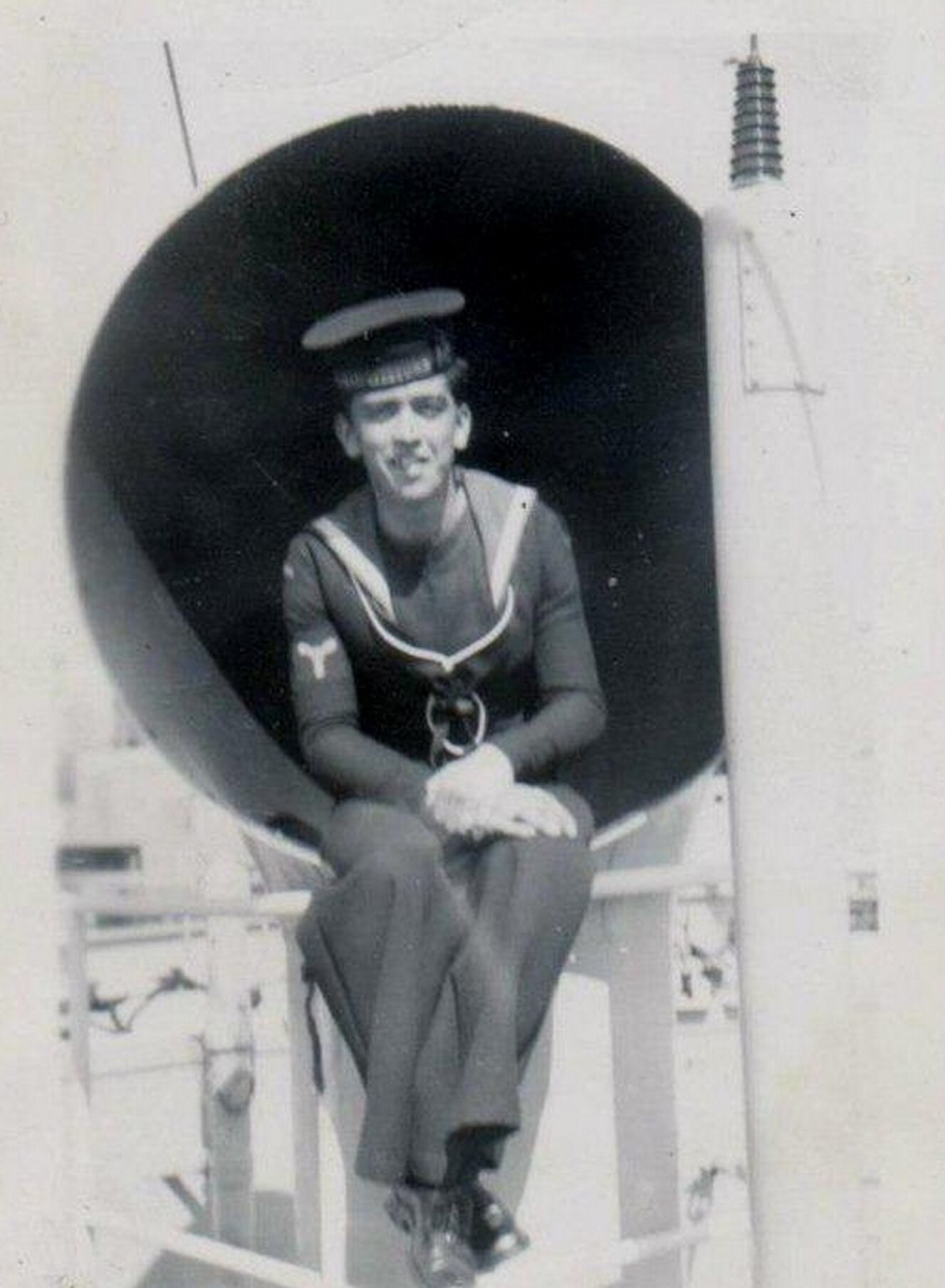
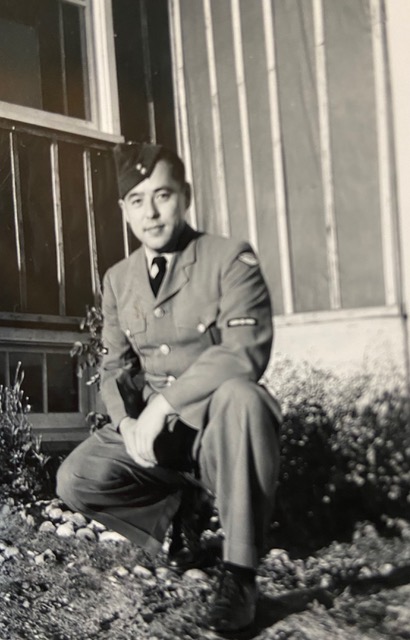
April 10, 1928 – August 3, 2018
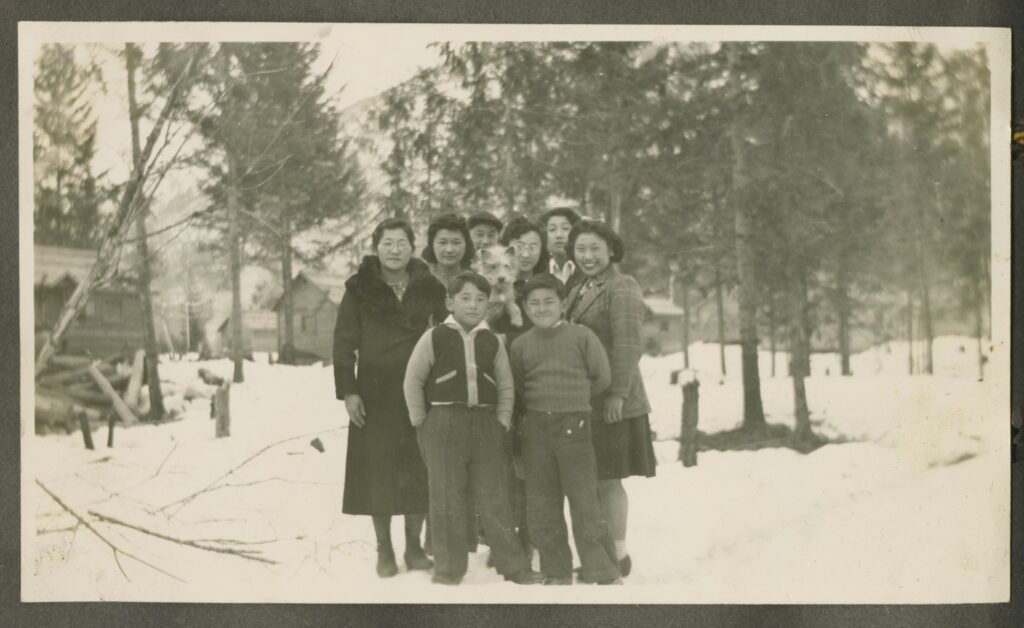
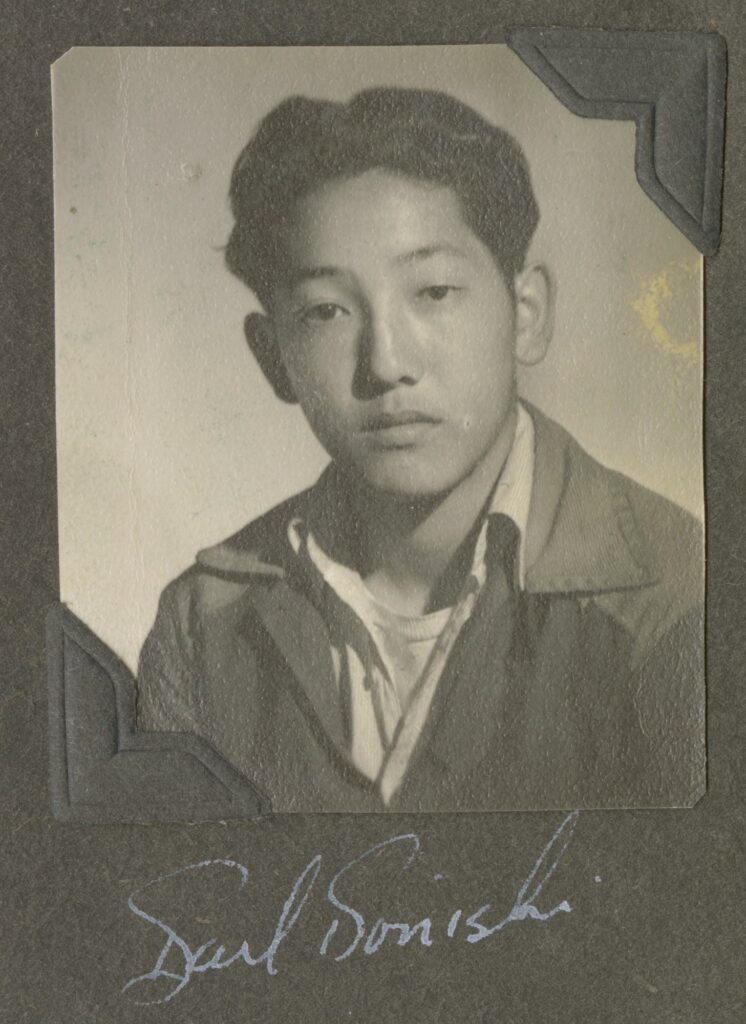
Karl Konishi was born at Port Moody, BC. His parents Kuni and Kunizo Konishi were from Mitsu-gun, Okayama Prefecture. His mother had been a picture bride. Karl had two brothers and three sisters.
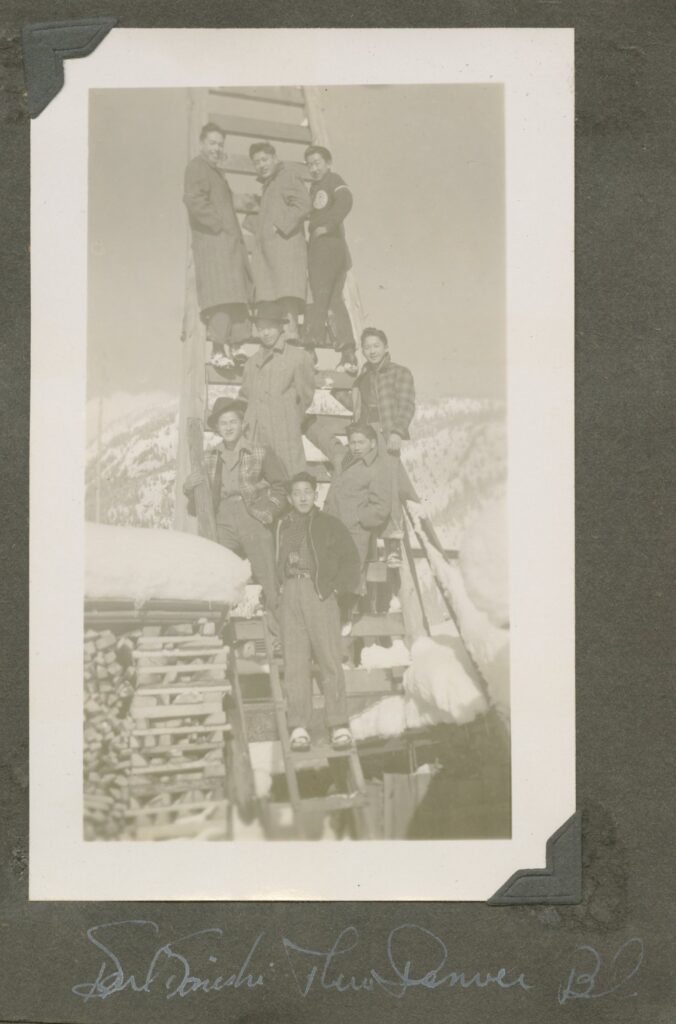
Their father Kunizo worked at a cedar mill at Port Moody. Following the Pearl Harbor attacks, Kunizo Konishi was interned in early 1942, and was eventually incarcerated at the Angler Prisoner of War camp in northern Ontario until its closure in April 1946. The others in the family were detained at Hastings Park for four months; Karl was placed in the young boys’ building, separated from his family. He earned money by stuffing straw into the mattresses used by internees at Hastings Park. When the family was moved to the camp at Popoff, an internment camp in the Kootenay region of BC, their mother was hospitalized. Neighbours helped Karl, his brother Fred, and sister Kay in her absence. Seeking better living conditions, the family moved once again, to New Denver, where Karl’s mother made tofu to supply the internees. Karl attended the school in New Denver organized by the United Church.

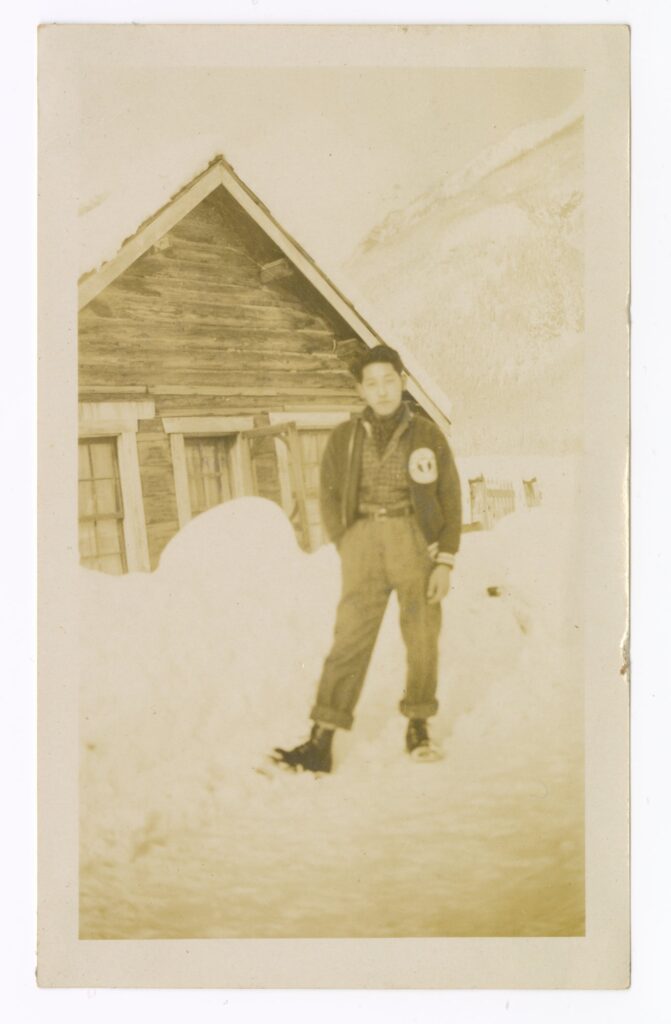
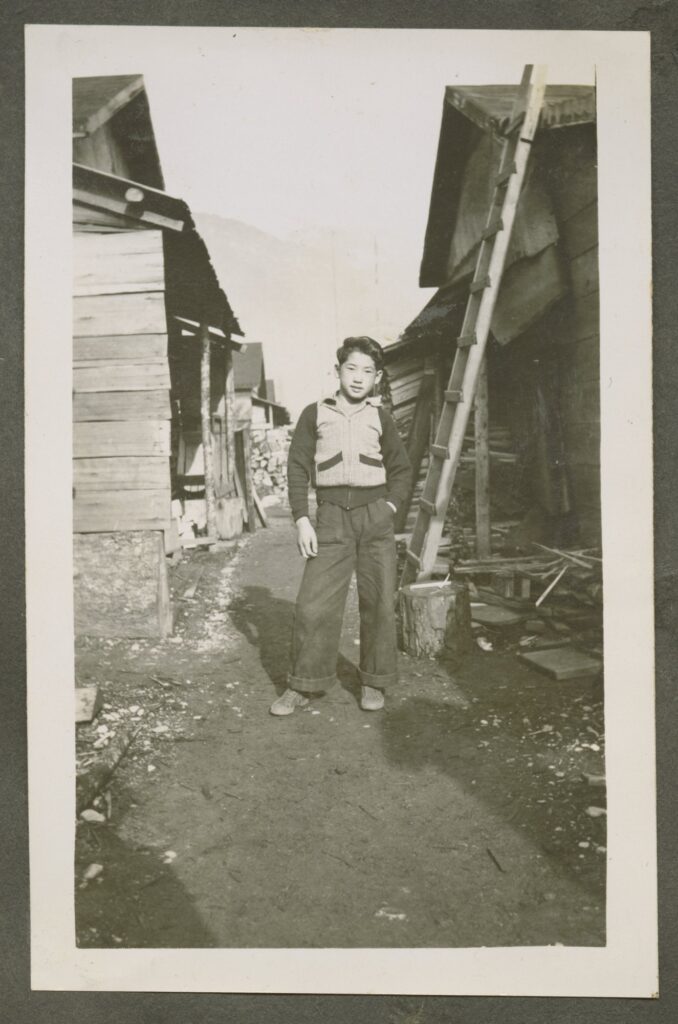
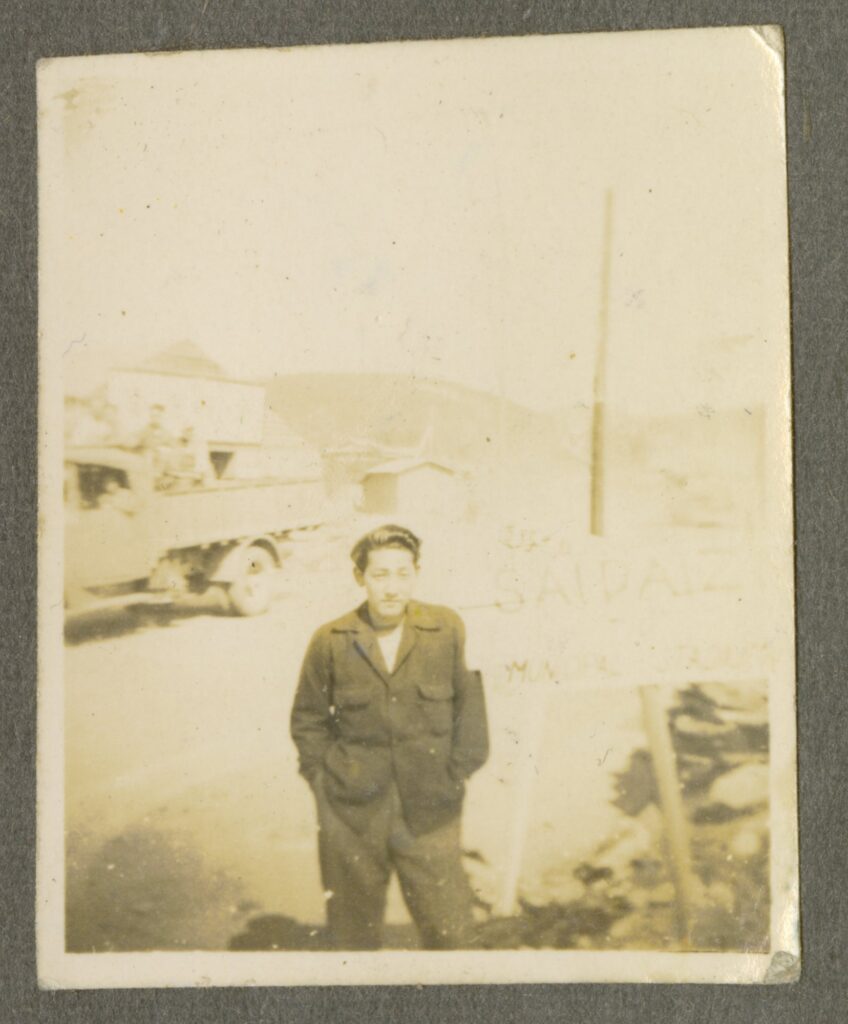
As Karl’s father owned property in Japan, the Konishi family accepted the government’s offer to send them to Japan at the end of the war, rather than relocating to Eastern Canada. They were relocated to Tashme, to await their removal from Canada. Karl’s mother made tofu at Tashme also, and Karl worked at a nearby sawmill.
The family was reunited with their father as they were leaving for Japan. Karl said “I met my father dockside in Vancouver, after not having seen him for four years. We travelled on a US troop ship and the food they gave us was terrible. We later learned how bad things were.”
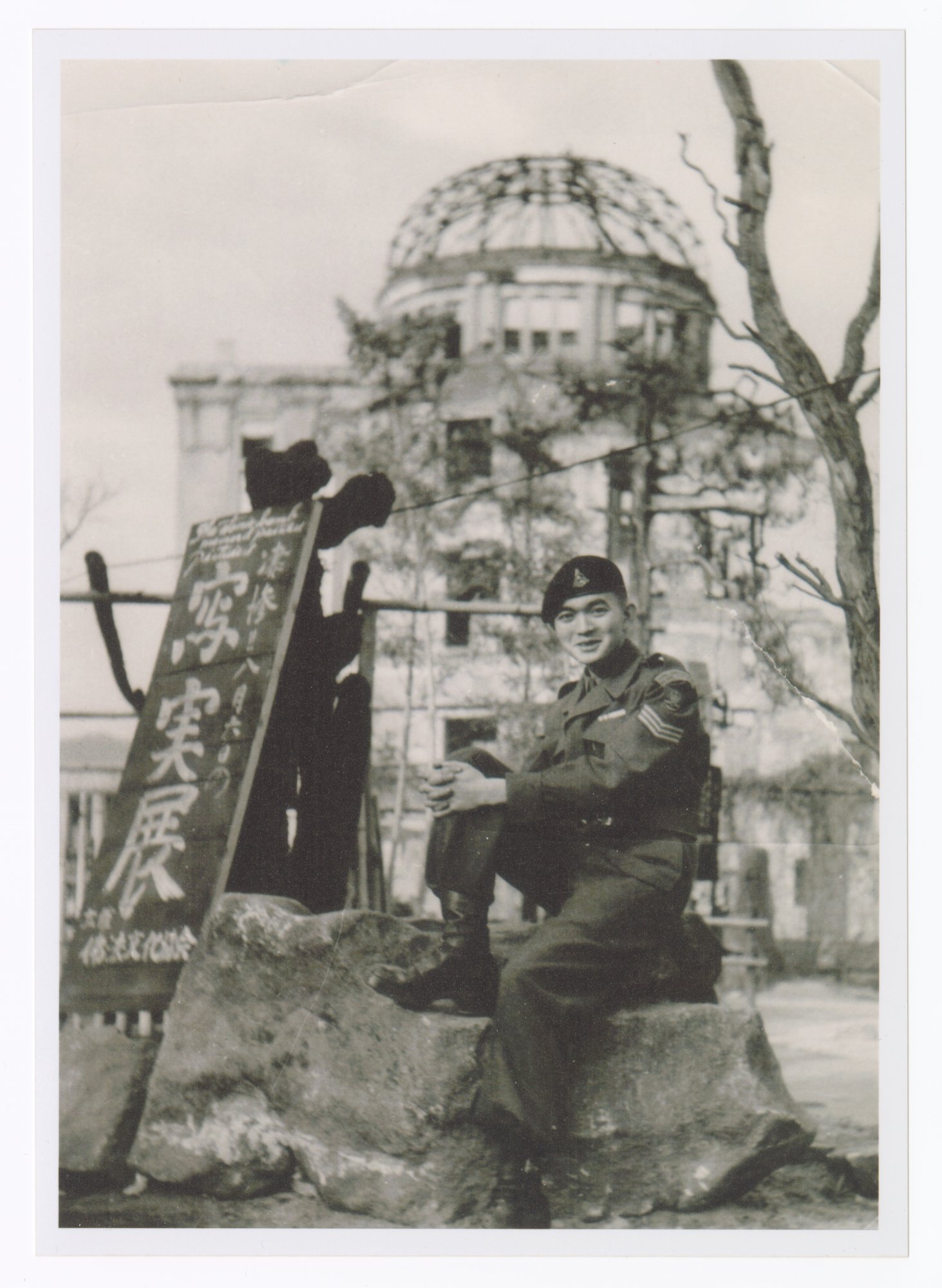
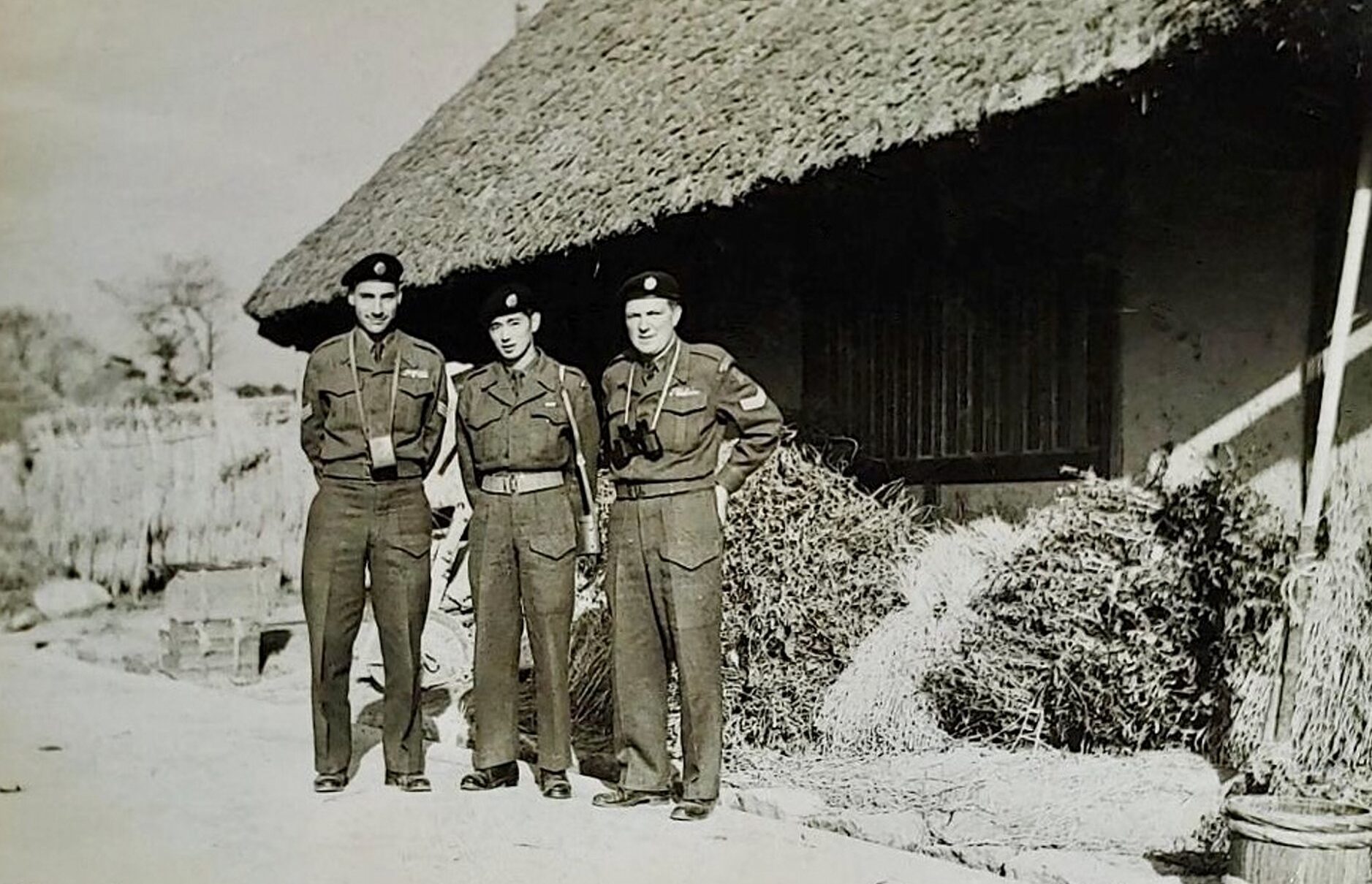
The family worked at their father’s farm in Okayama Prefecture. As the family was struggling financially, Karl worked in the city of Okayama at a variety of jobs for two years. He then went to Osaka and worked at the Shinodayama Post Exchange, eventually becoming the manager of the US Army PX store. His fluency in English enabled him to get these positions. He learned that the Canadian Army was accepting Korean War volunteers, and many of the volunteers were people that he knew from Tashme and New Denver. Both Karl and his brother Fred signed up at Hiro, Hiroshima. They were part of the Royal Canadian Army Service Corps while in Korea.
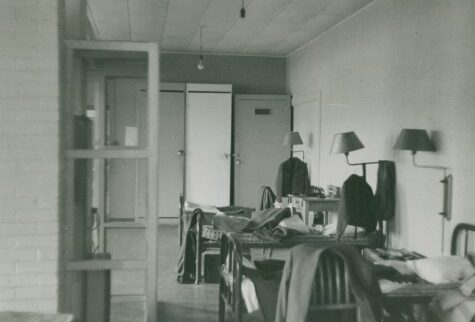
Fred and Karl took basic training with the PPCLI (Princess Patricia’s Canadian Light Infantry). Afterward, they were sent to North Korea in winter to do jobs that included digging trenches and foxholes, and sentry duty.
While on leave in Tokyo, Karl was very excited to meet and have dinner with Toshiro Mifune, a famous Japanese film star.
Karl and Fred returned to Canada in September 1953. His sister Aguri and father remained in Japan. Karl’s other two sisters returned to Canada.
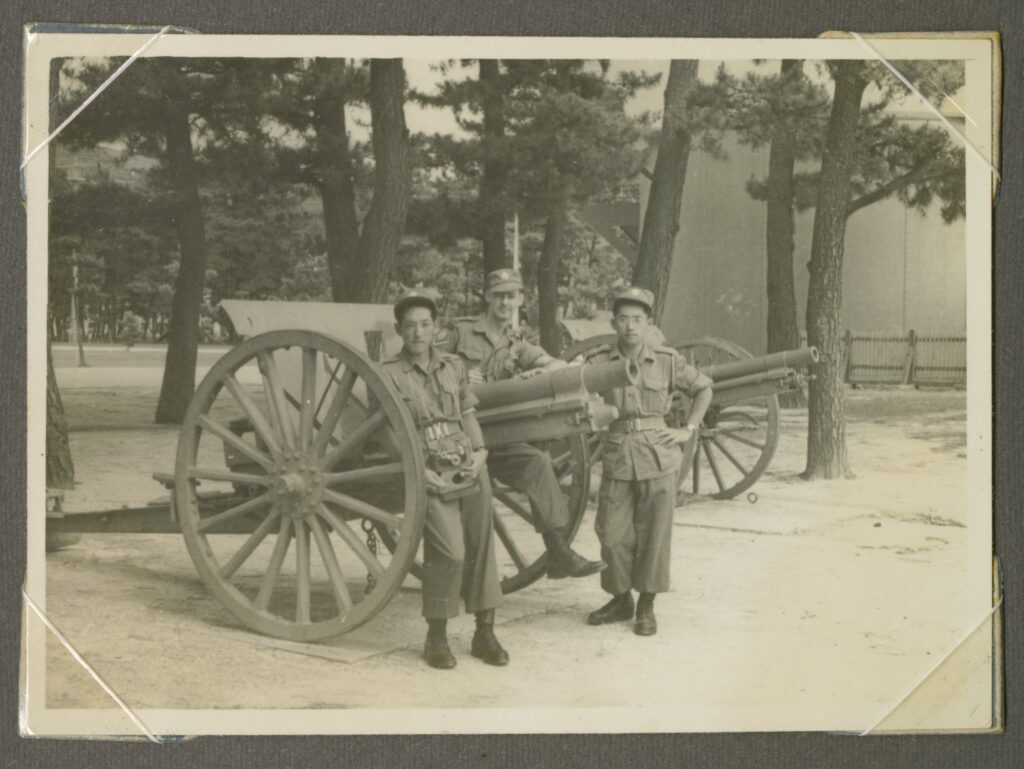
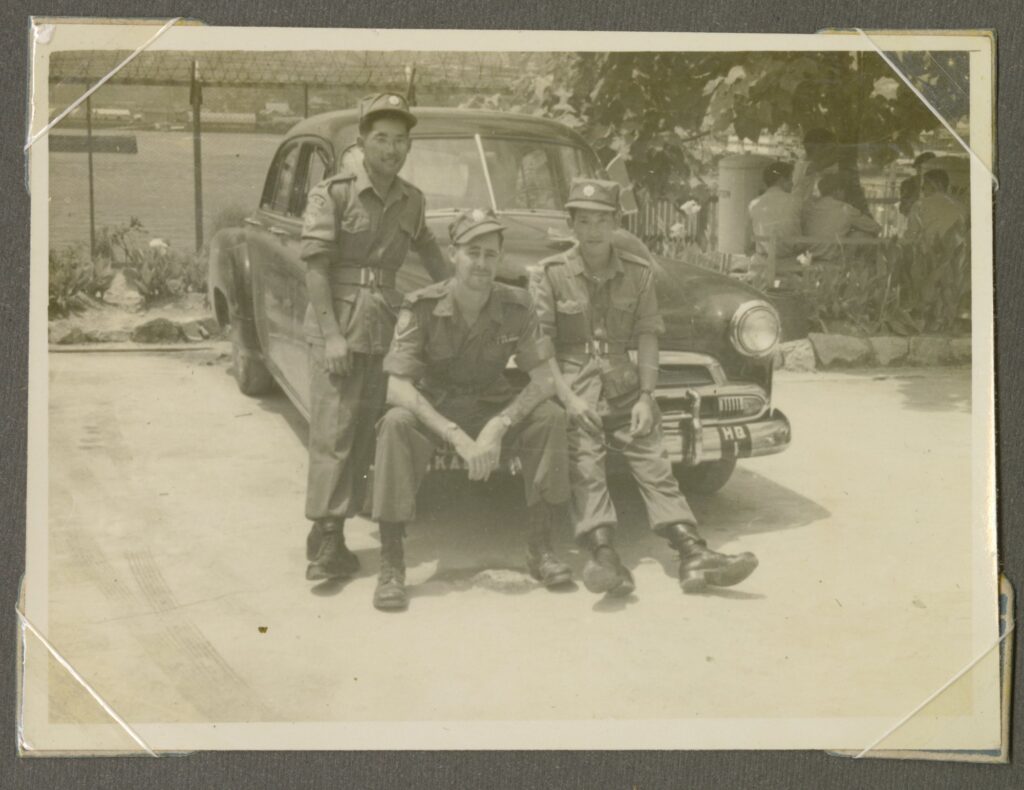
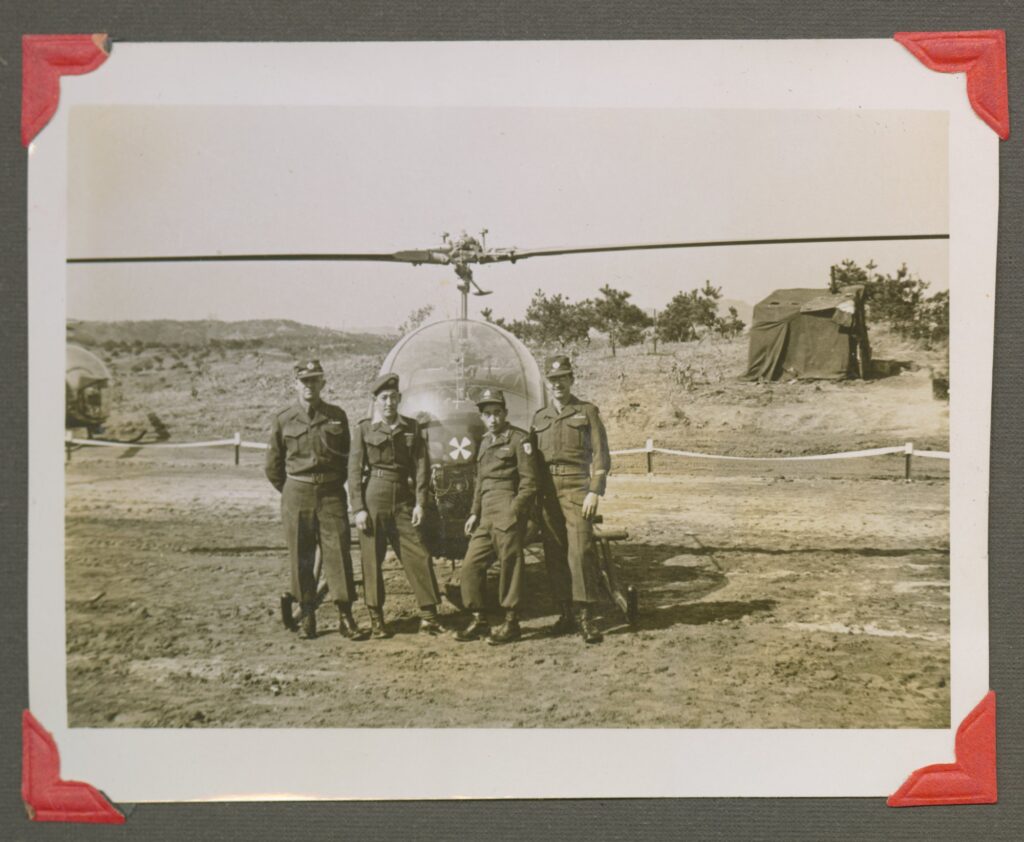
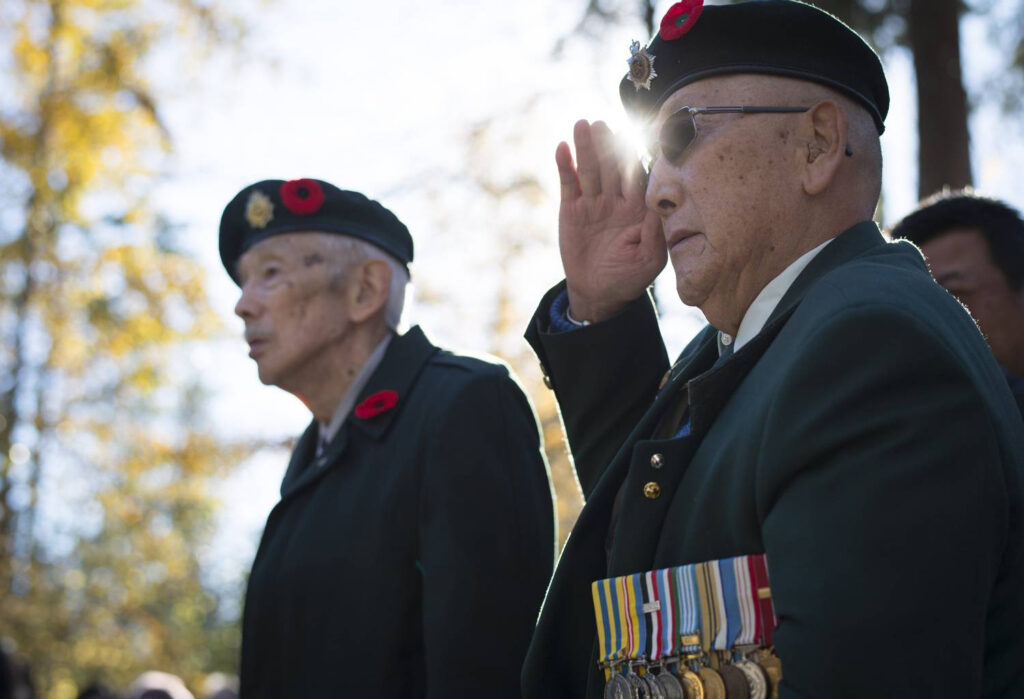
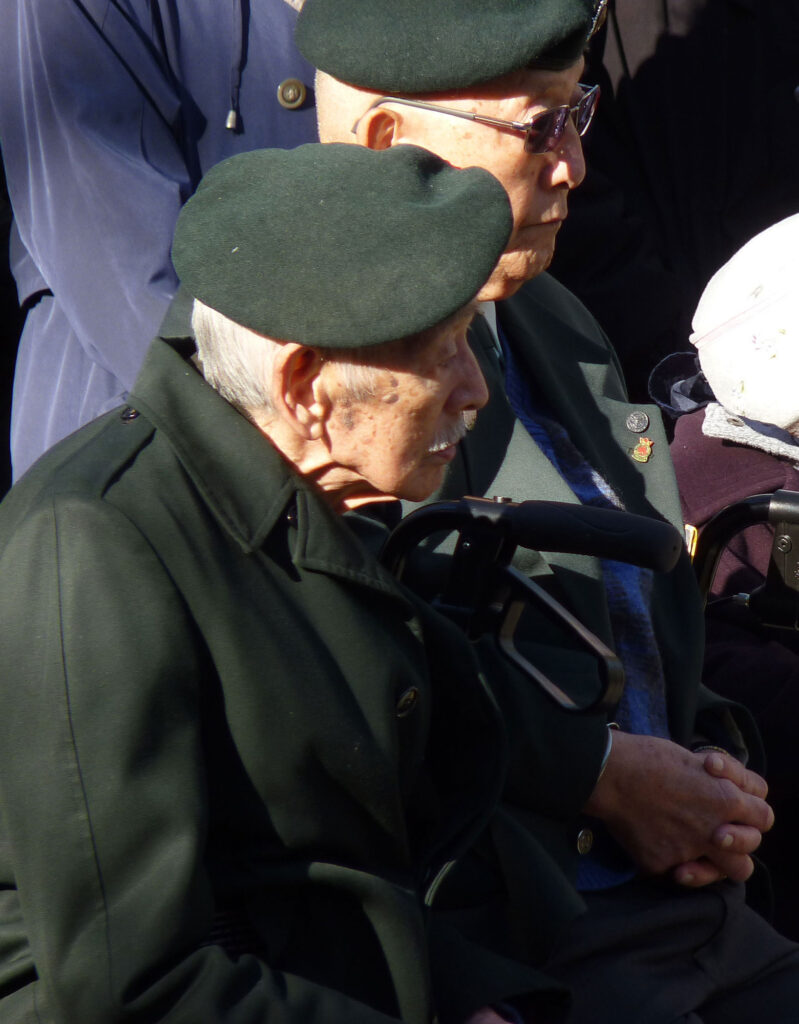
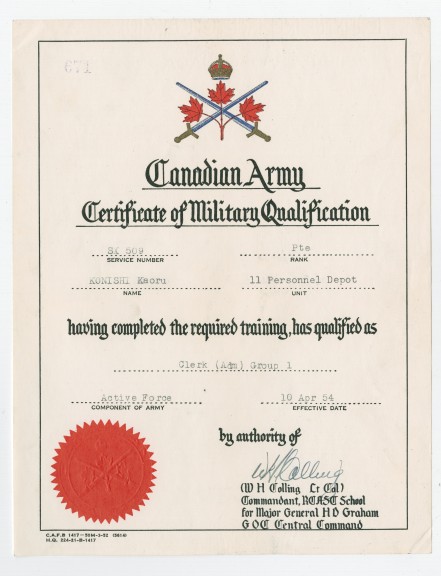
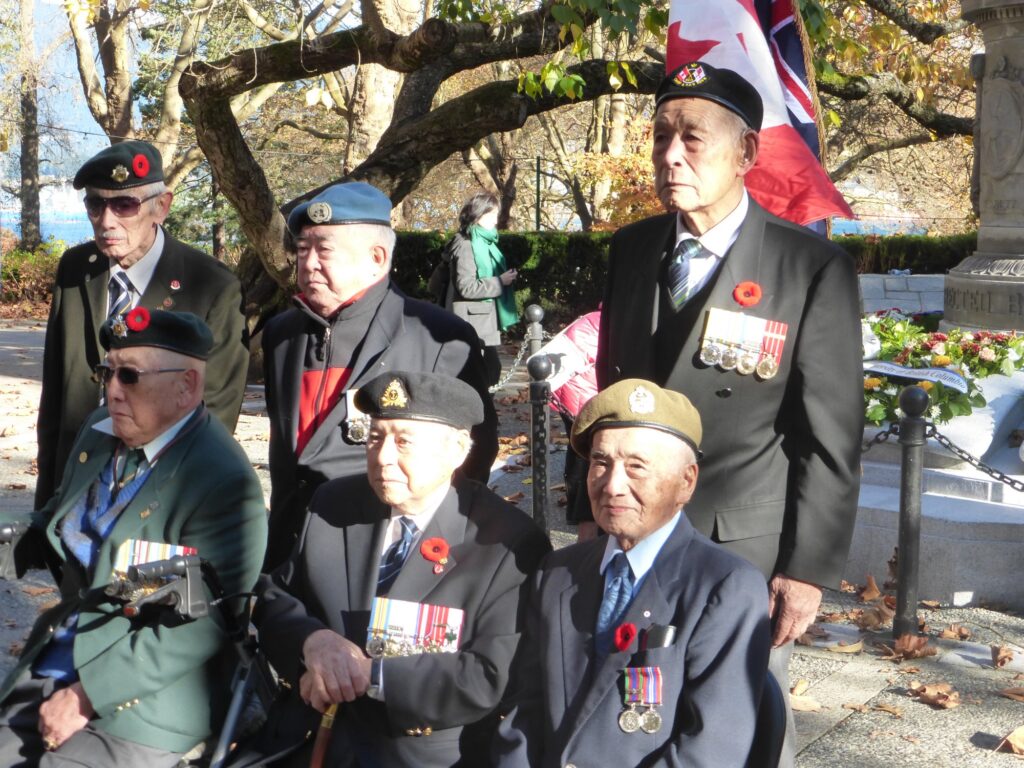
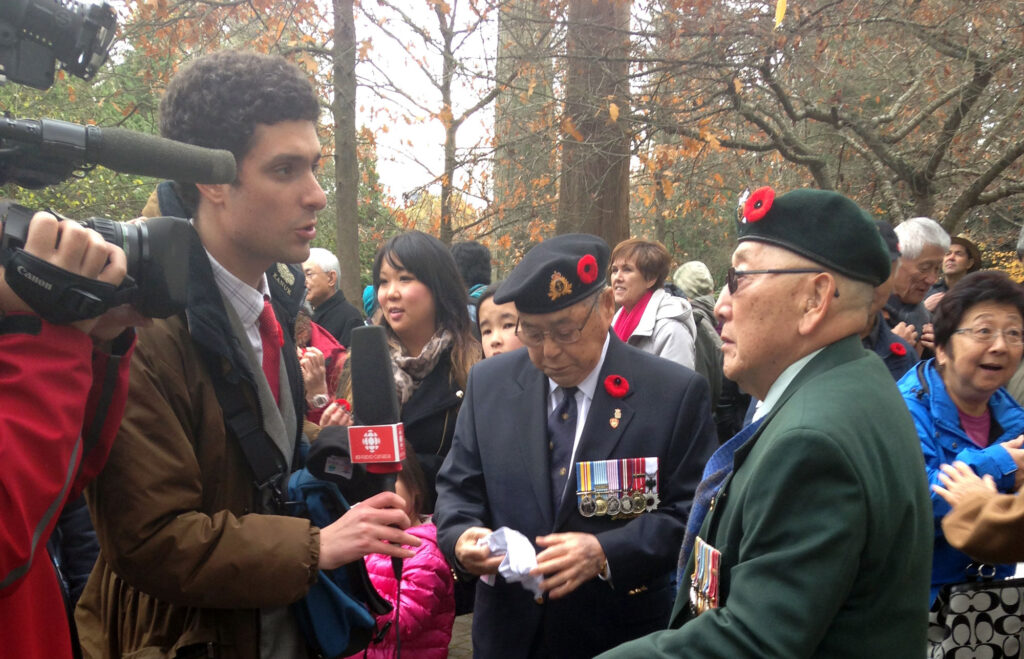
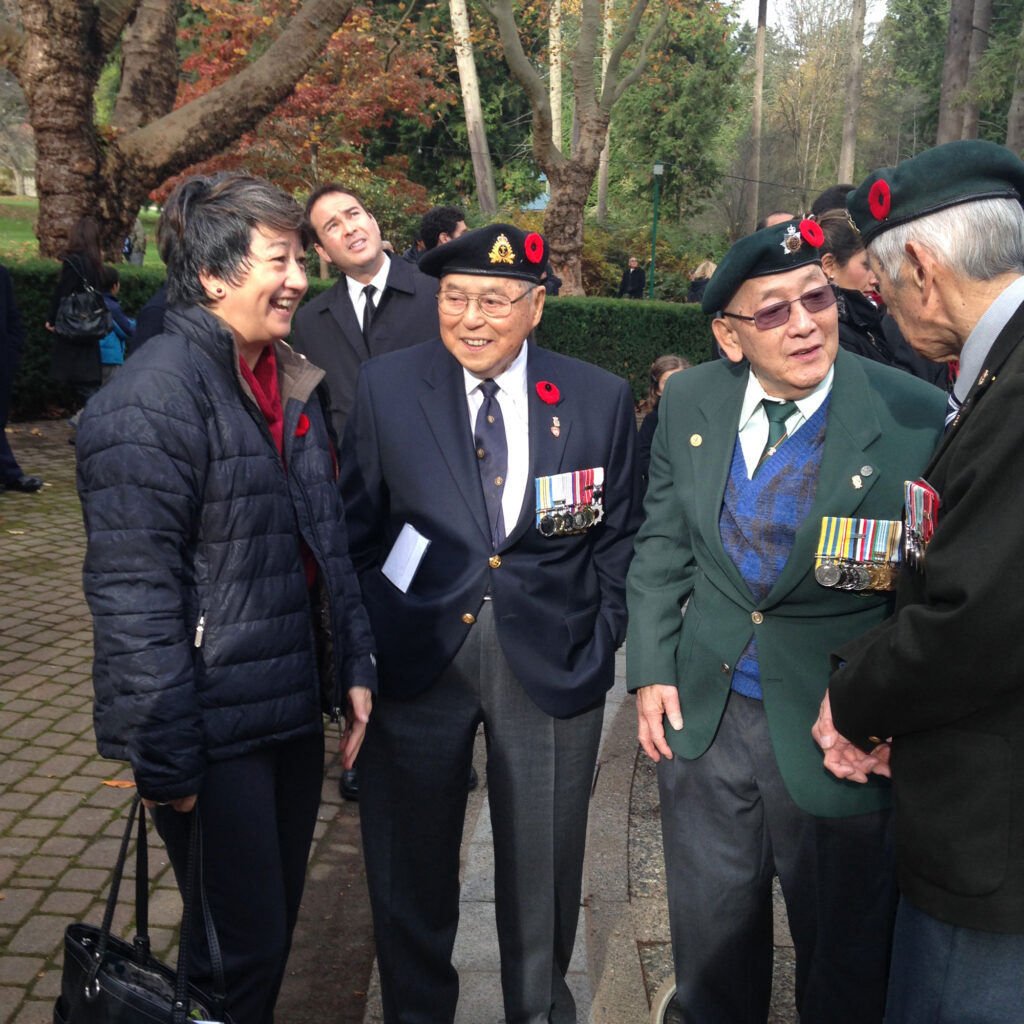
Karl stayed with the PPCLI, first being posted to Vancouver, then to Regina in 1955. He re-enlisted with the Regular force in 1958, working as a medic. He had numerous postings including Alberta, Manitoba, Ontario, Quebec, Egypt, Korea (for the second time), and Cyprus, before retiring from the military. The last ten years of his 35-year career were spent working for the federal penitentiary service. He enjoyed travel, hunting, and fishing. He was a member of the Japanese Canadian War Memorial Committee. He was a regular guest of honor at the War Memorial each year on Remembrance Day. Karl and his family donated a treasure trove of photographs and family artifacts to the Nikkei National Museum.