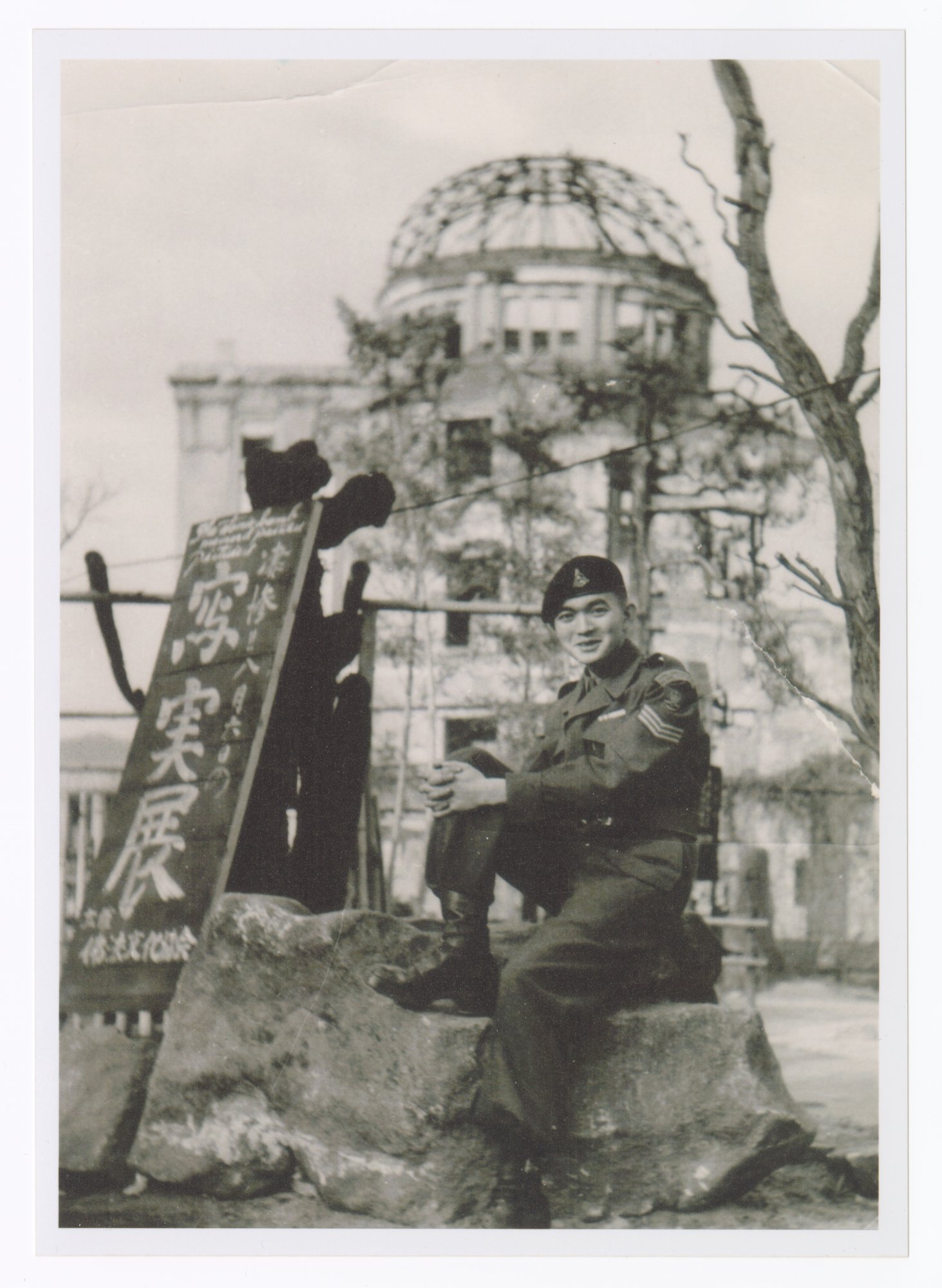
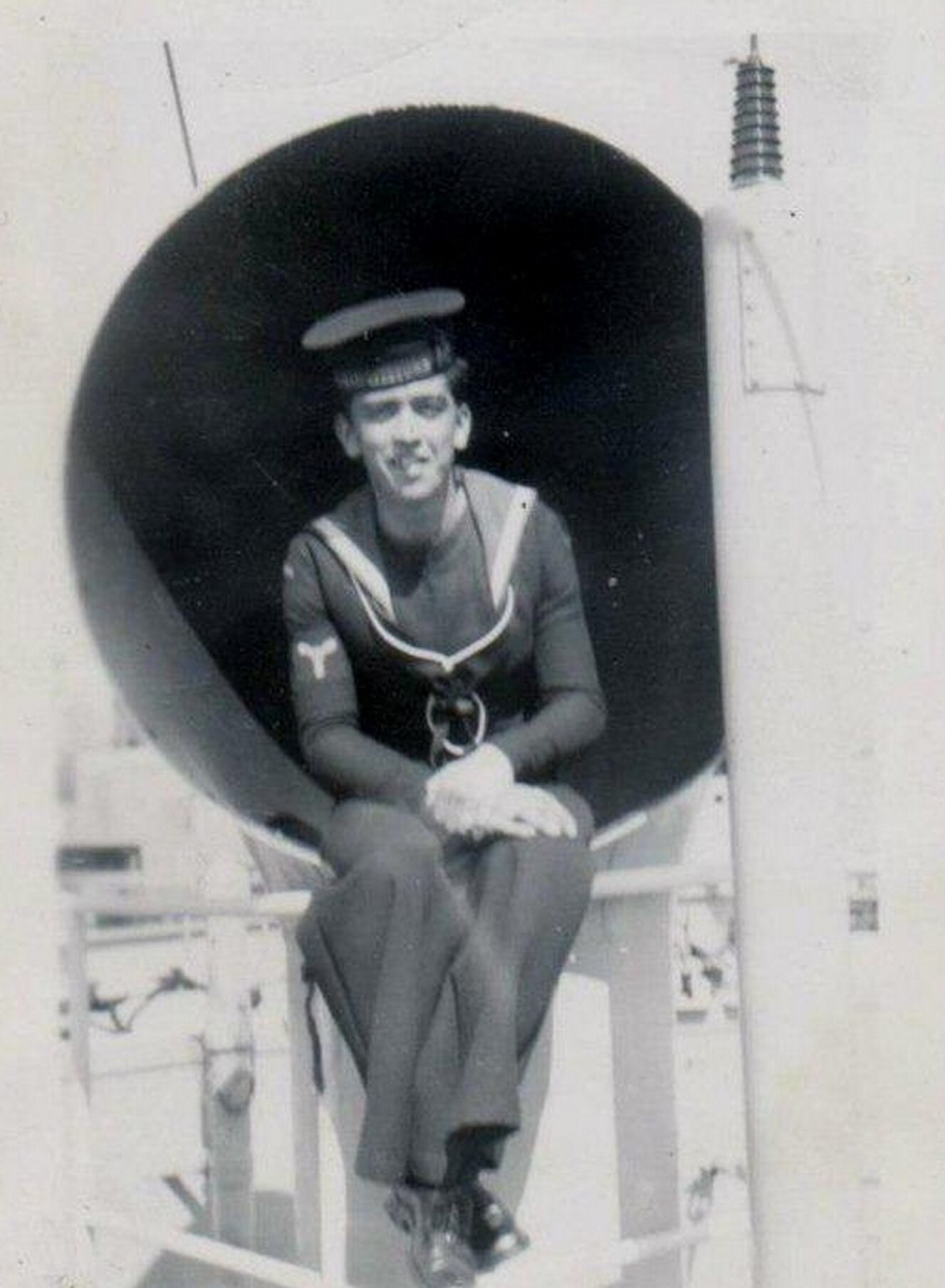
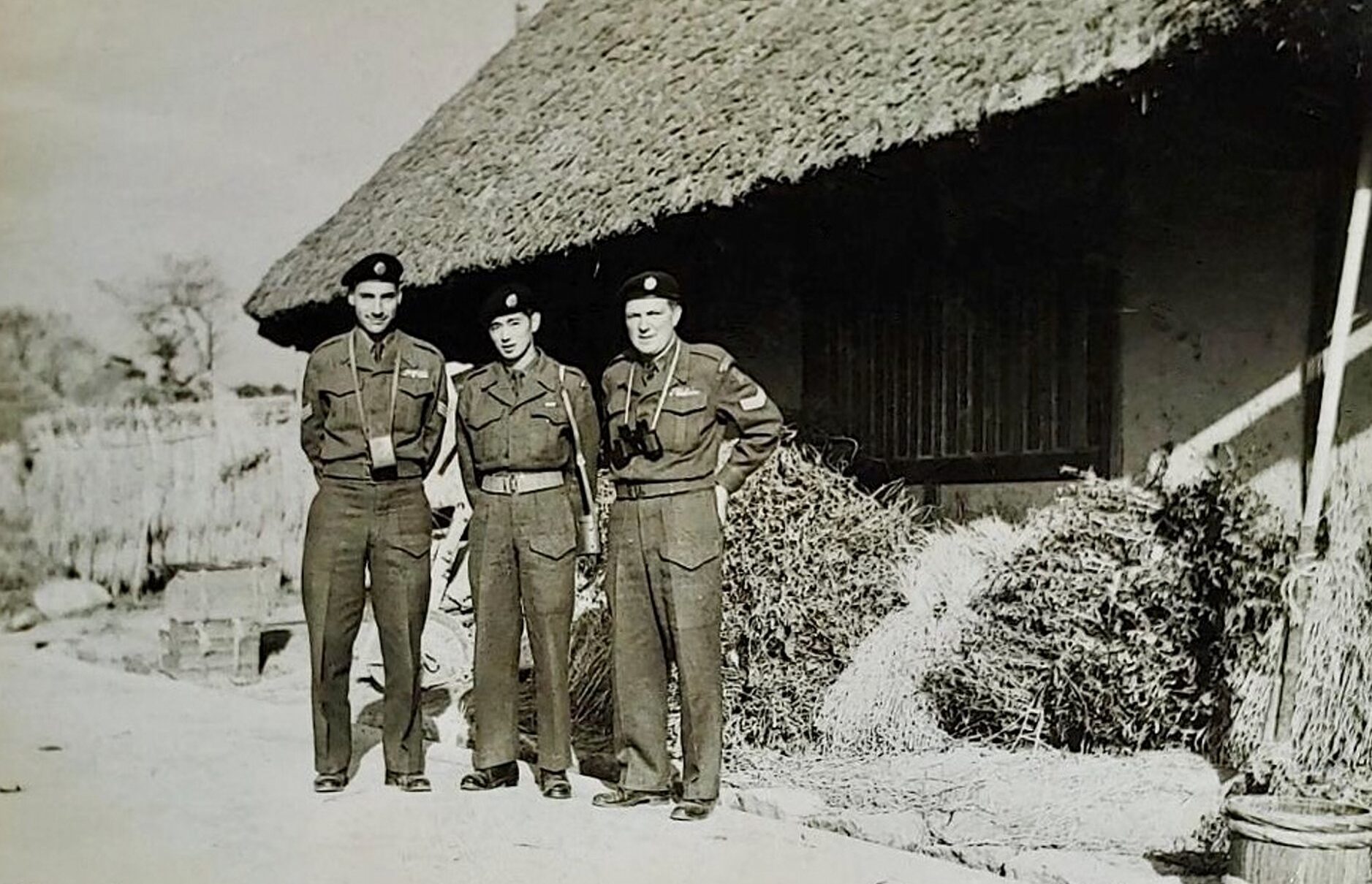
May 11, 1924 – October 8,2018
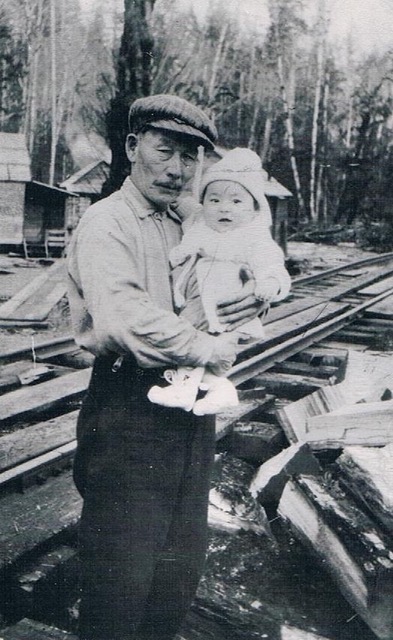
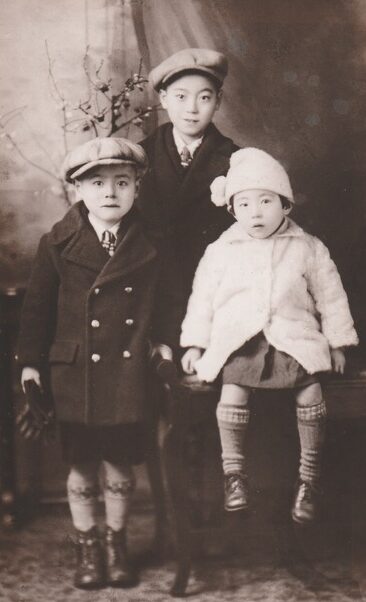
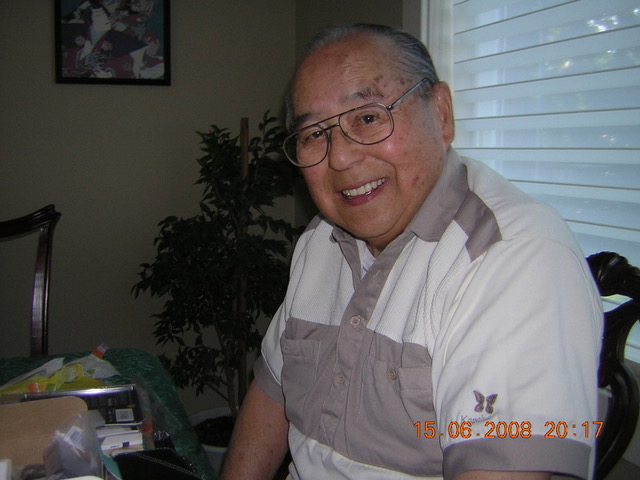
Richard Yoshio (Dick) Nakamura was born in Comox, BC to parents Yuki (from Hiroshima), and Jukichi (from Fukuoka-ken) who worked at the Kagetsu logging camp in Fanny Bay. Later settled in Surrey on a farm painstakingly cleared to grow strawberries, the family would include older brother Kayo and younger sisters Toshiko and Tamiko. An avid high school student and athlete, Dick was a member of the Canadian Officers in Training (COTC) until not allowed to participate after Pearl Harbor. In the spring of 1942, the Nakamura family was forcibly removed to work on a sugar beet farm near Magrath, southern Alberta. Their BC property was confiscated and they later learned that their house in Surrey had been ransacked and burned.
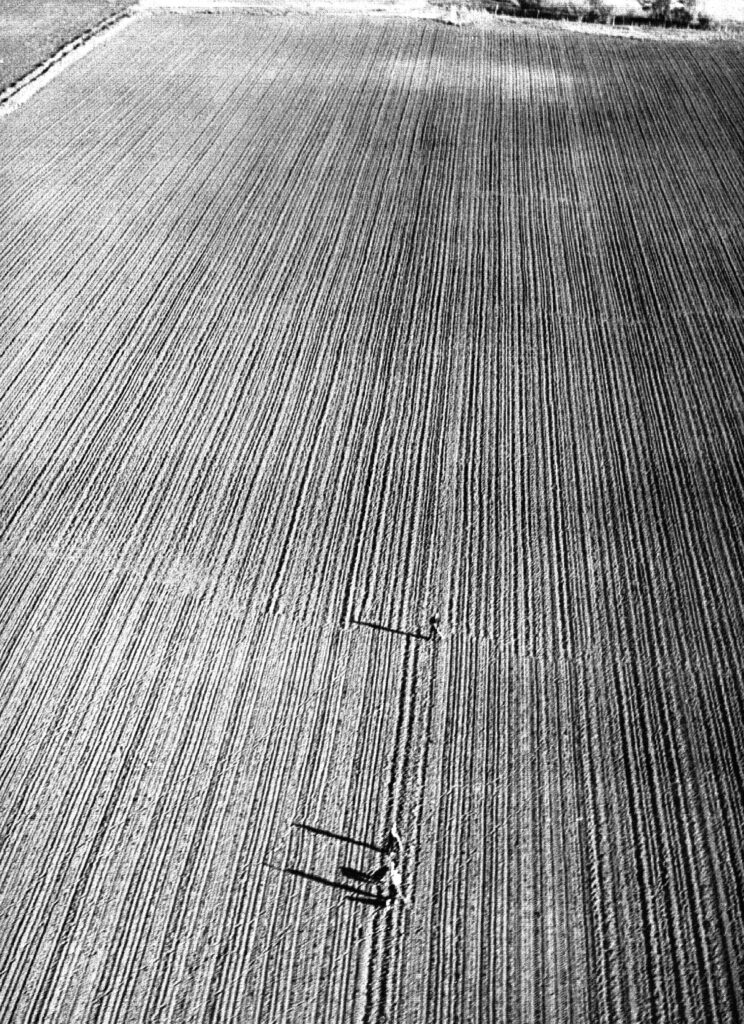
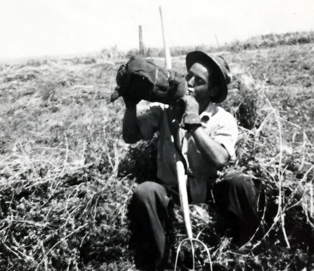
Like other families moved to sugar beet farms, the Nakamuras endured grossly inadequate housing for the extreme prairie weather and did backbreaking physical labour. Winter mornings froze bedding to the wall of their shack; a far cry from their home in BC. Letters Richard and other Japanese Canadian youth wrote to Joan Gillis, a Surrey school pal, are preserved by the University of British Columbia and some are included in an online exhibit called I know we’ll meet again: Correspondence and the Forced Dispersal of Japanese Canadians.
The Nakamura family stayed on the sugar beet farm from 1942 until when they were allowed to move into Lethbridge.
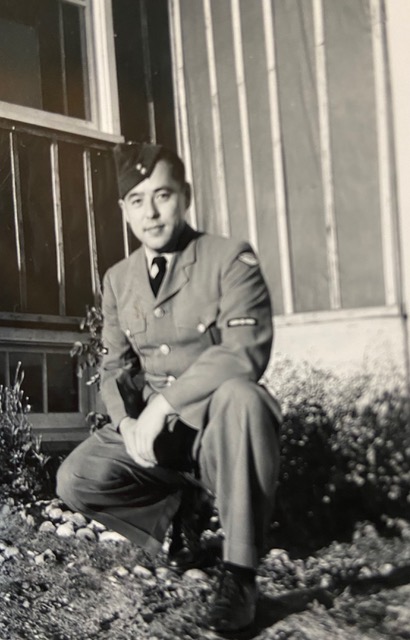
Dick joined the Royal Canadian Air Force in July 1948, which enabled him to build on his self-taught photography skills. He was sent to No. 1 Photo Establishment in Rockcliffe, Ontario, where he graduated with distinction from the Air Force photography course and was eventually promoted to supervisor.
In 1950, he reported to the photographic section of the Directorate of Public Relations at Air Force Headquarters in Ottawa. In 1951, he photographed the airlift to Korea by the No. 426 Thunderbird Squadron. He was stationed at a base in Japan, which allowed him to meet some of his relatives. The RCAF sent him to Japan, Korea, Wake Island, and the Aleutian Islands as well as to Newfoundland, Quebec, Ontario, Alberta, the Yukon, and the UK.
In 1953, Dick left the RCAF and returned to Lethbridge. In 1954, he married Anne Ayako Maeno, whose family had farmed sugar beets in Nobleford, Alberta. In 1955, they moved to Regina, Saskatchewan where they raised their four children and Richard worked as Director of the photographic unit of the Prairie Farm Rehabilitation Association (PFRA), then later as its Head of Information.
In 1957, Dick joined the militia, serving with the Regina Rifle Regiment. Eventually promoted to the rank of Major and Deputy Commander, Richard commanded the honour guard for the opening of the Legislature of Saskatchewan prior to leaving the regiment in 1970. He retired from the federal public service and moved to Victoria in 1979. In Victoria he enjoyed working as the Protocol Officer for BC Ferries during Expo 86 and being called up from the Canadian Forces Supplementary Reserve list to liaise and assist when the Japanese Naval Training Squadrons visited Canada’s Pacific Fleet in Esquimalt, BC.
Often the first or one of a few visible minorities in his work environments, Dick was determined to prove his loyalty and ability to do quality work. He believed information and education were antidotes to ignorance and often used humor and friendliness to inform, deflect racism, and find common ground.
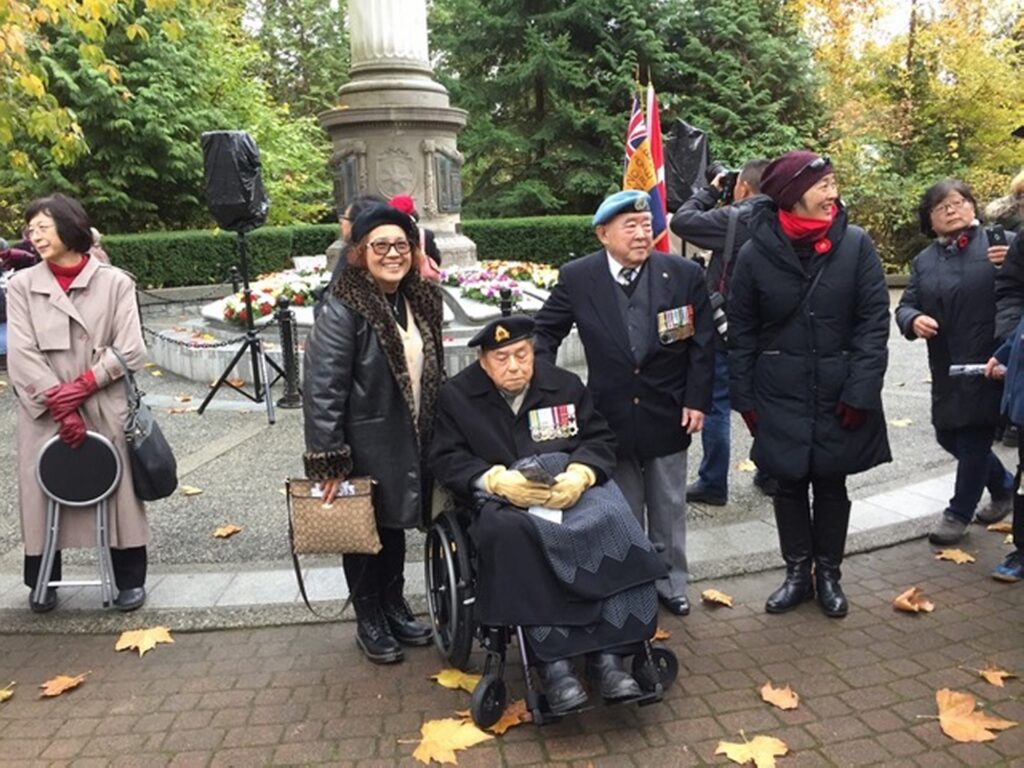
Active in the Japanese Canadian and broader communities in both Regina and Victoria, he served on the board of the Victoria Inter-Cultural Association and helped found the Victoria Nikkei Cultural Society and the Victoria-Morioka Friendship Society. A dedicated leader and organizer in the redress movement, he later served on the board of the Redress Foundation. He had a keen interest in Japanese Canadian military history and assisted the Japanese Canadian War Memorial Committee.
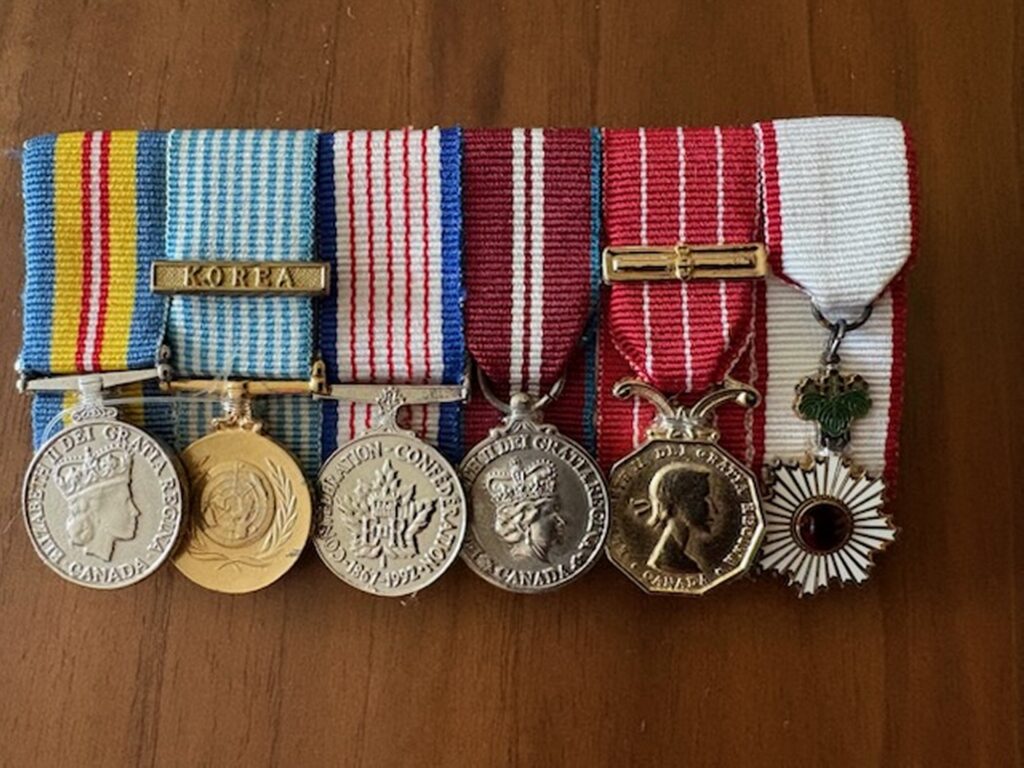
Dick’s work and volunteer efforts were recognized in many ways including the Government of Japan’s Order of the Rising Sun and the Queen Elizabeth ll Platinum Jubilee Medal. They underline his enthusiasm for building bridges of cultural and historic understanding to build communities. Richard always credited the training he received in the military for his organizational skills and ability to get things done.
Some of Dick’s military photographs are featured in the 1973 book, Relentless Verity: Canadian Military Photographers Since 1885 by Peter Robinson, University of Toronto Press, 1973.