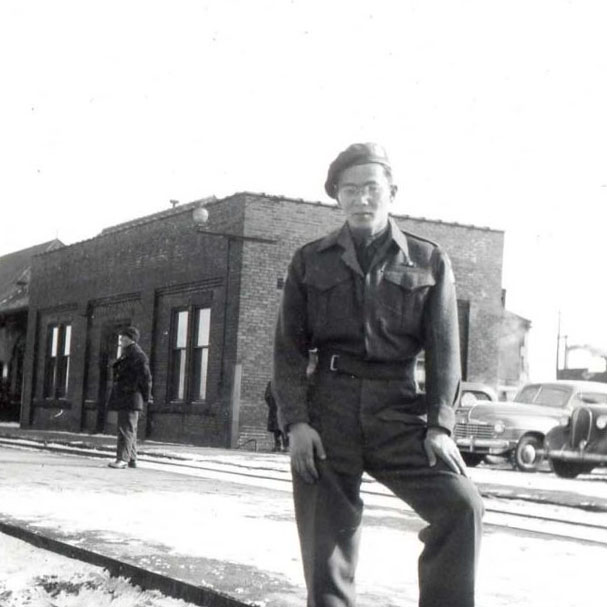
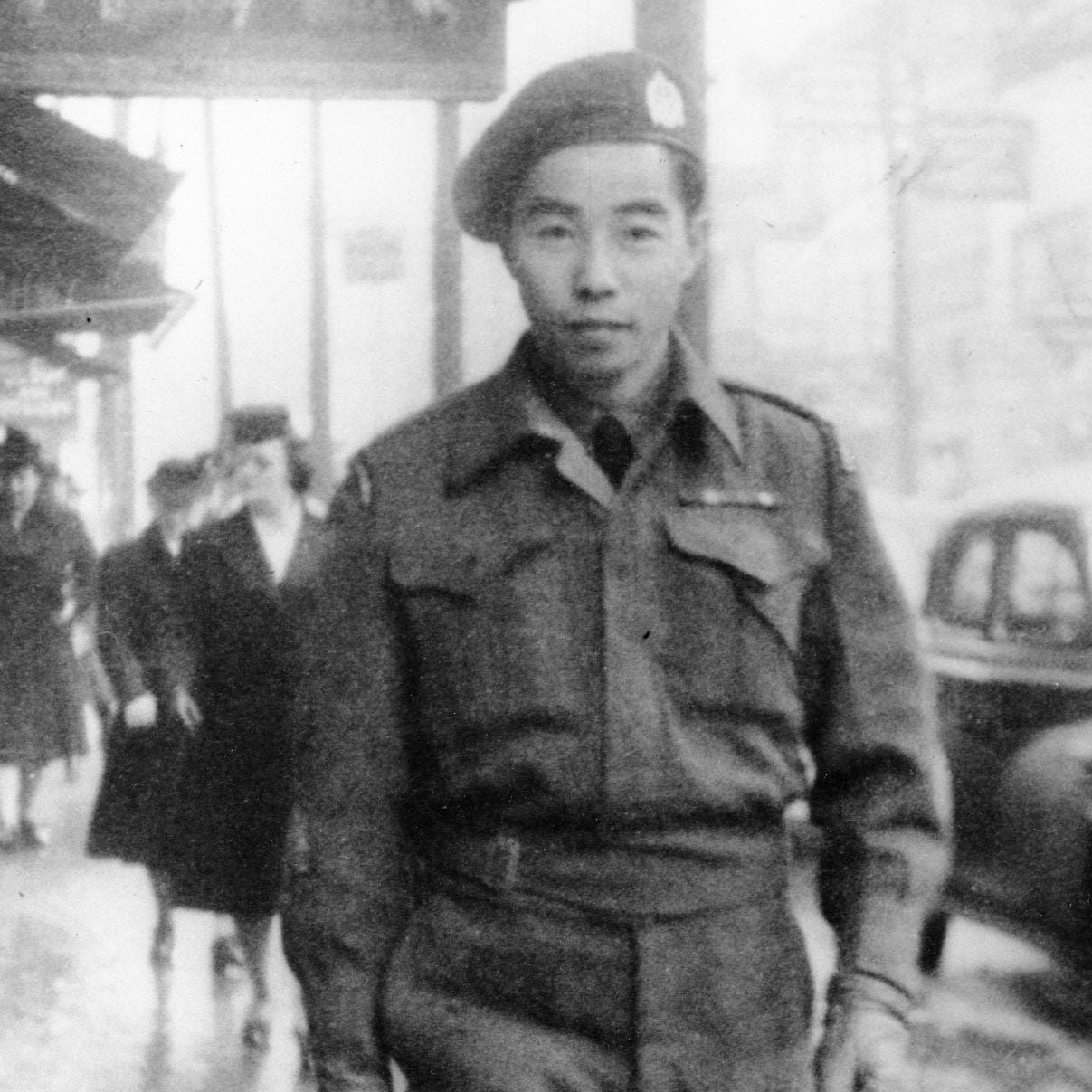
January 28, 1916 – July 8, 1977
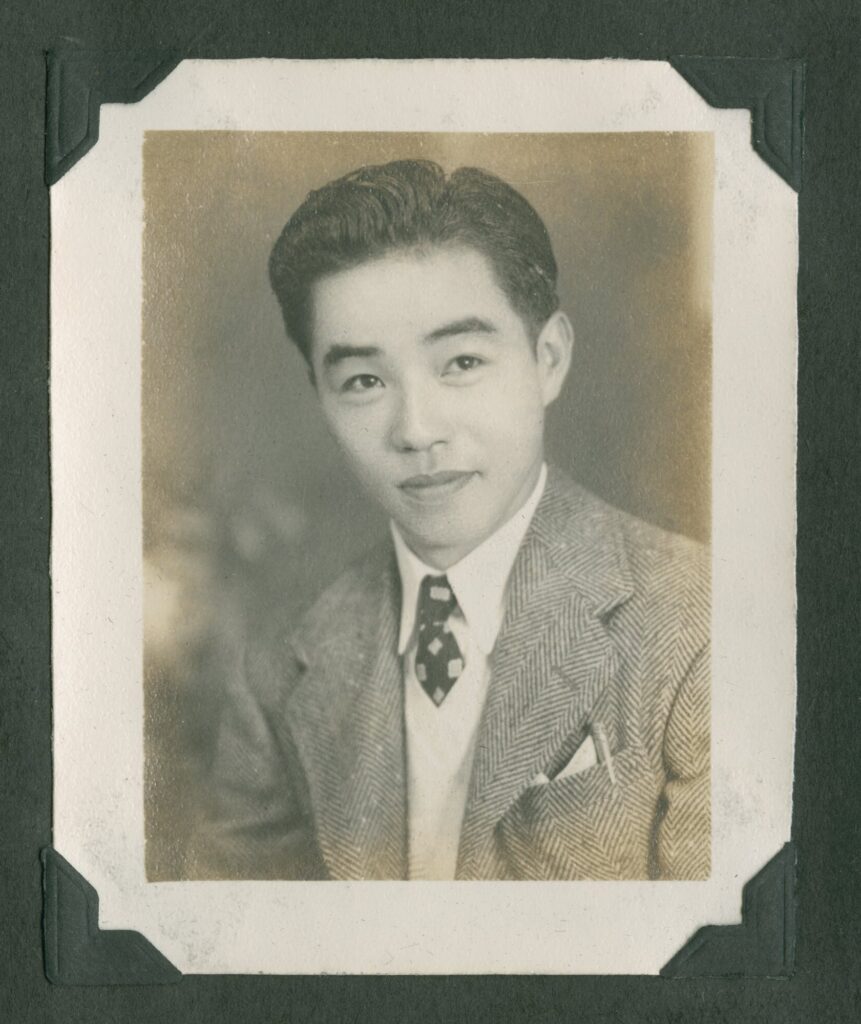
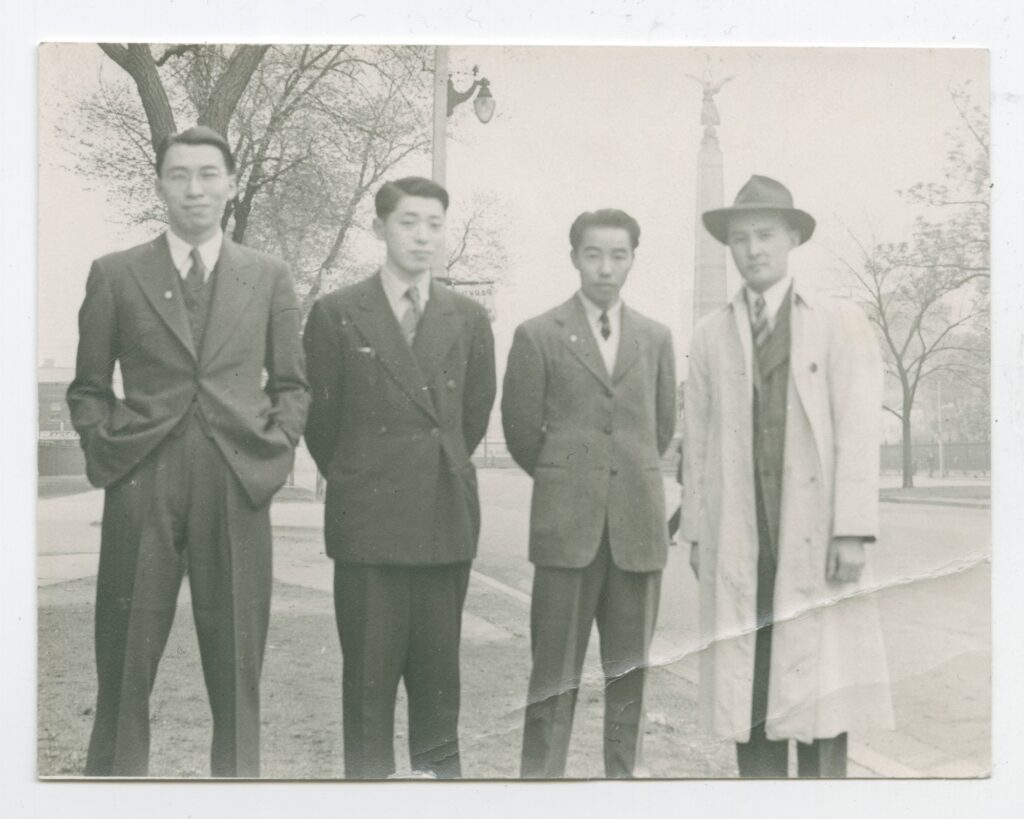
Tatsuro Buck Suzuki was the oldest son in a family of five boys and five girls. He was born on Don Island (Oikawa Island) to Gennosuke and Isono Suzuki, from Maiya-mura, Miyagi Prefecture [Ito, 1994, p 398]. Gennosuke was a salmon fisherman. He arrived in Canada on the Suian Maru in 1896 [Buck Suzuki interview with M. Koizumi, 1972, Landscapes of Injustice Database].
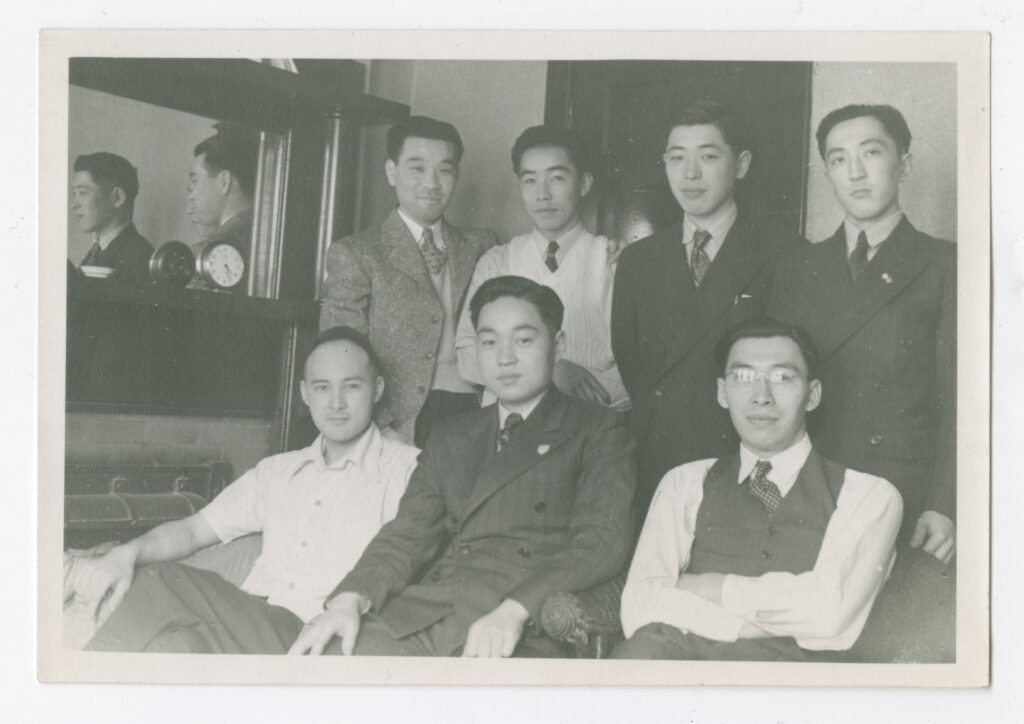
Buck obtained his commercial fishing license when he was nine years old [Ito, 1984, p. 237] and began fishing right away. He obtained just eight years of schooling. He also worked at a cannery and at vegetable farms [Ito, 1984, p. 237]. Beginning in the 1920s, the government severely restricted the number of fishing licences available to non-white British subjects [Sunahara and Oikawa, 2017]. Gennosuke, as a leader in the Japanese fishing community, was elected to decide who was to retain or give up their licences [Suzuki, 1987, p. 54]. The nikkei fishing community helped those who lost their licences to start farms or find work in business or logging. As a young fisherman in his twenties, Suzuki was already considered a leader among the fishermen at Steveston. He was one of the founders of the Japanese Canadian Citizens’ League in 1936. Despite the anti-Asian racism of the 1930s, his goal was to unite Japanese Canadian and white fishermen.
At the start of forced removal from the west coast, Buck Suzuki became one of six Japanese advisors to the British Columbia Security Commission (his friend and fellow soldier Eiji Yatabe was another member). He was also one of the last Japanese Canadians to leave the “Restricted Area” after people had been sent to internment camps. This did not make him popular with the internees.
Buck’s parents and four younger sisters were sent to the Kaslo internment camp in 1942. Buck’s four brothers were forcibly moved to Ontario. Three were sent to Schreiber, and one was sent to work with the Ontario Farm Service in Dresden. Buck moved from Kaslo to Brantford with his wife Jean and encountered racism as he tried to find work [Ito, 1984, p. 237].
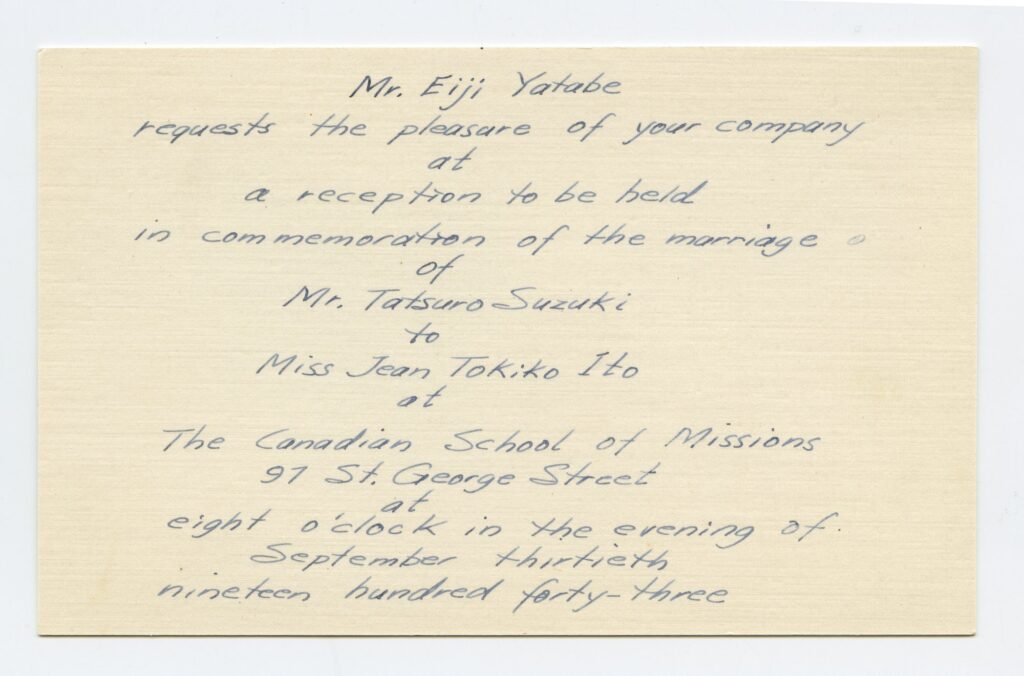
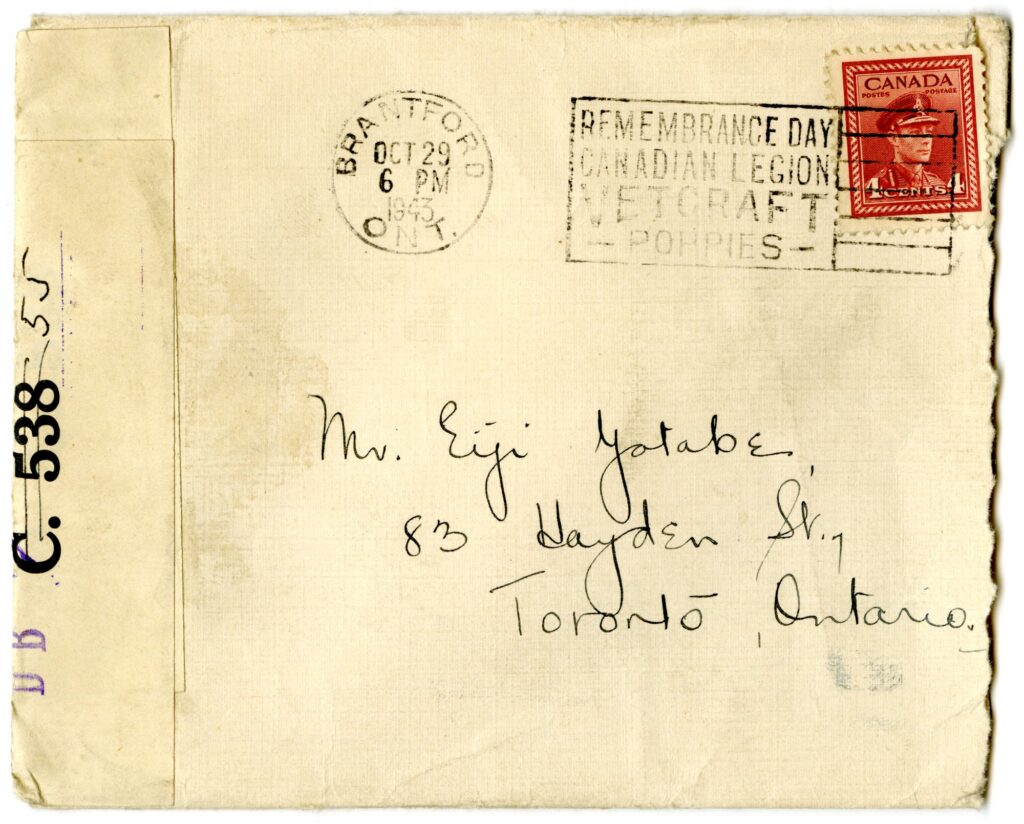
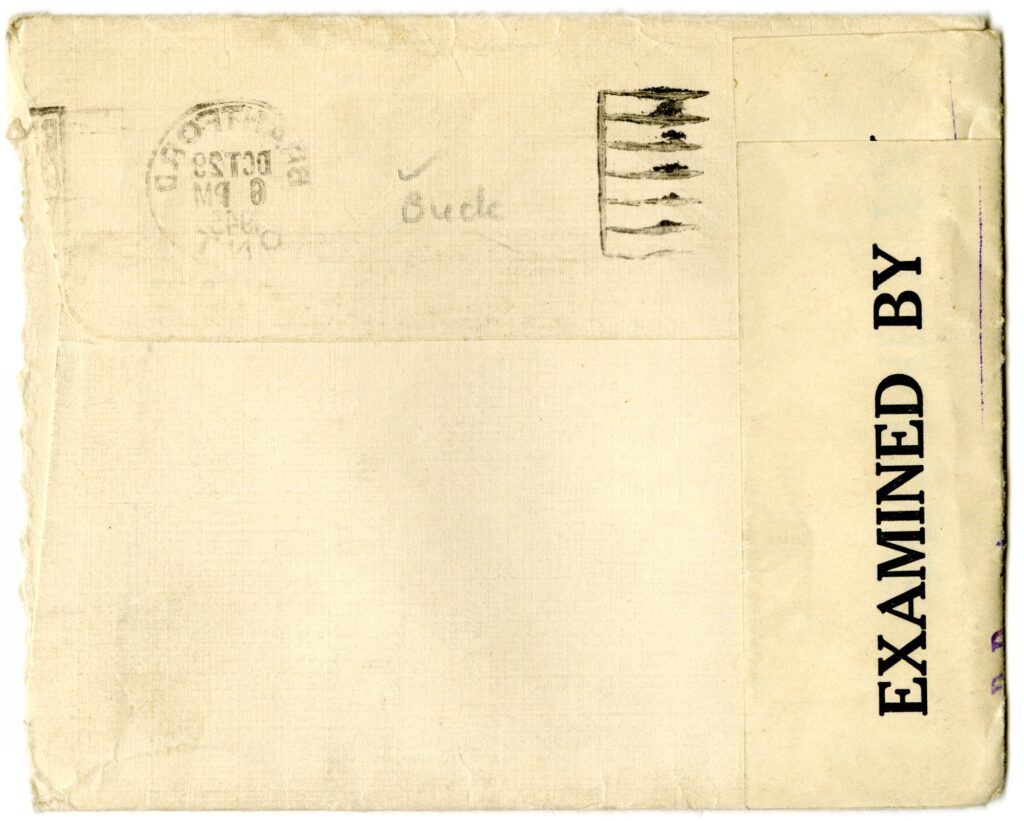
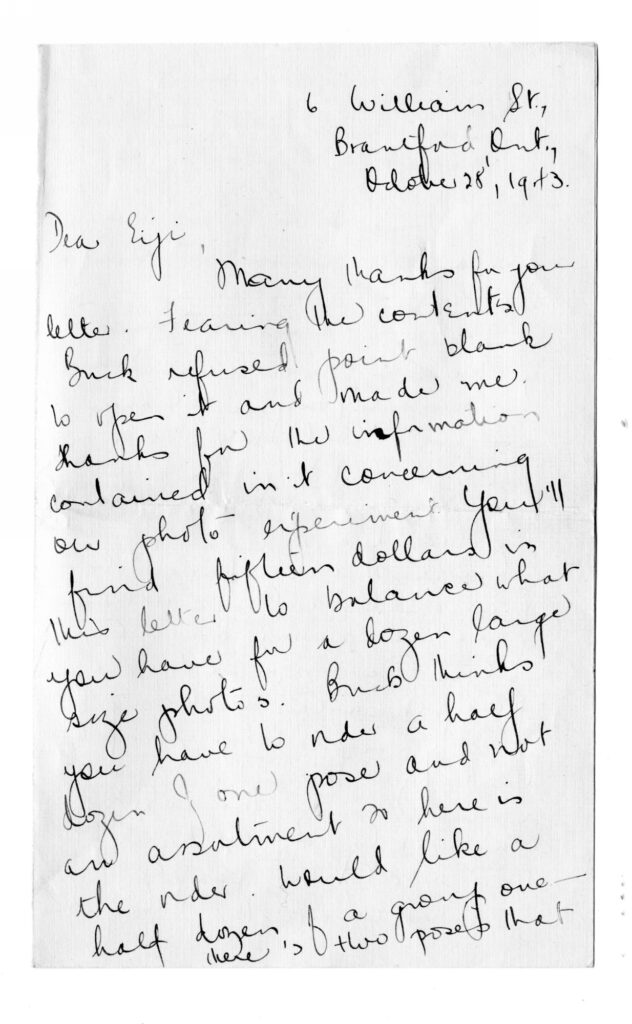
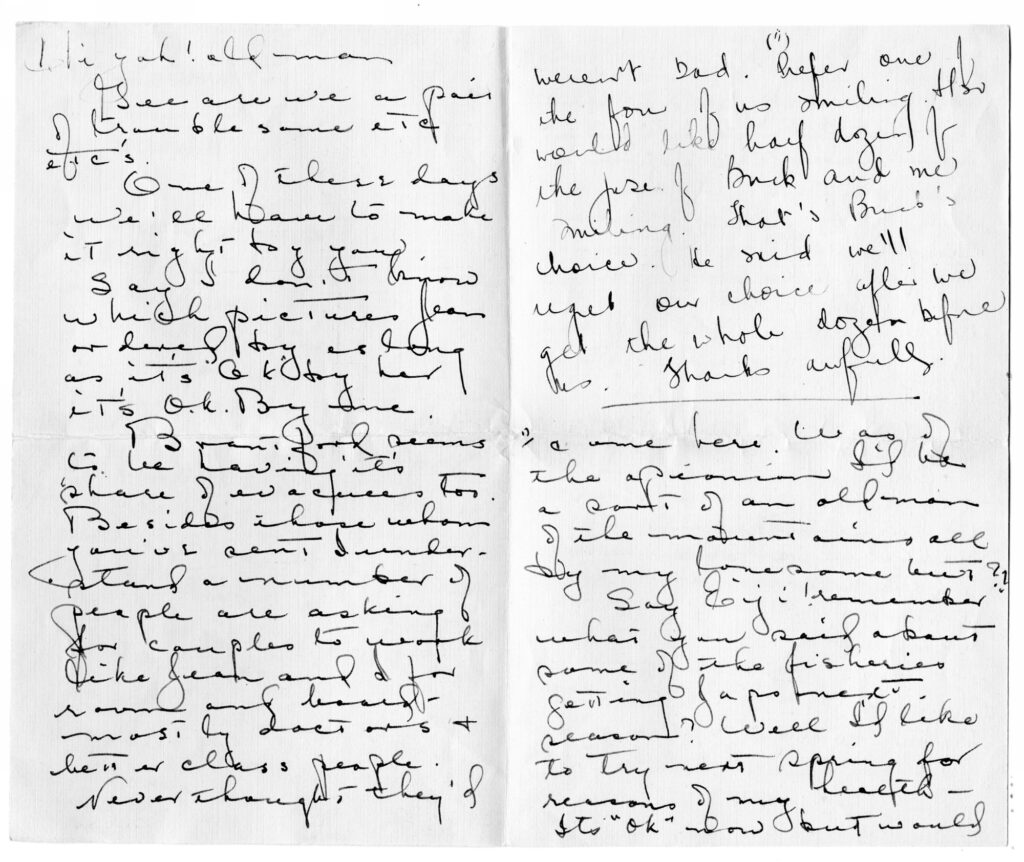
He was one of the first nisei to sign up for military service. Buck was working in a Brantford garage in 1944 when an RCMP officer working for Captain Don Mollison asked him to volunteer for the British army. Japanese Canadians were not eligible at that time to serve in the Canadian army. With the goal of attaining full citizenship for Japanese Canadians, Buck agreed to sign up. He and Jean had only been married for a year when Buck went overseas with eleven other nisei to India [Ito, 1984, p. 235]. They did not receive any basic training until they reached Poona. The group of twelve was split into four groups, with Buck and Albert Takimoto assigned to SEAC headquarters in Ceylon. They worked for Force 136, broadcasting to Japanese troops in the field. This included announcing the end of the war and the terms of surrender. His work included screening surrendered Japanese troops for intelligence and war crimes investigations. He also published a newsletter for the Japanese. He travelled between Burma, Malaya, and China during his posting [Ito, 1994, page 391]. He stayed in Southeast Asia for nineteen months, longer than many of the soldiers who he had arrived with. His brother Juro (Deo) Suzuki also served in India, but enlisted later and was deployed later than Buck.
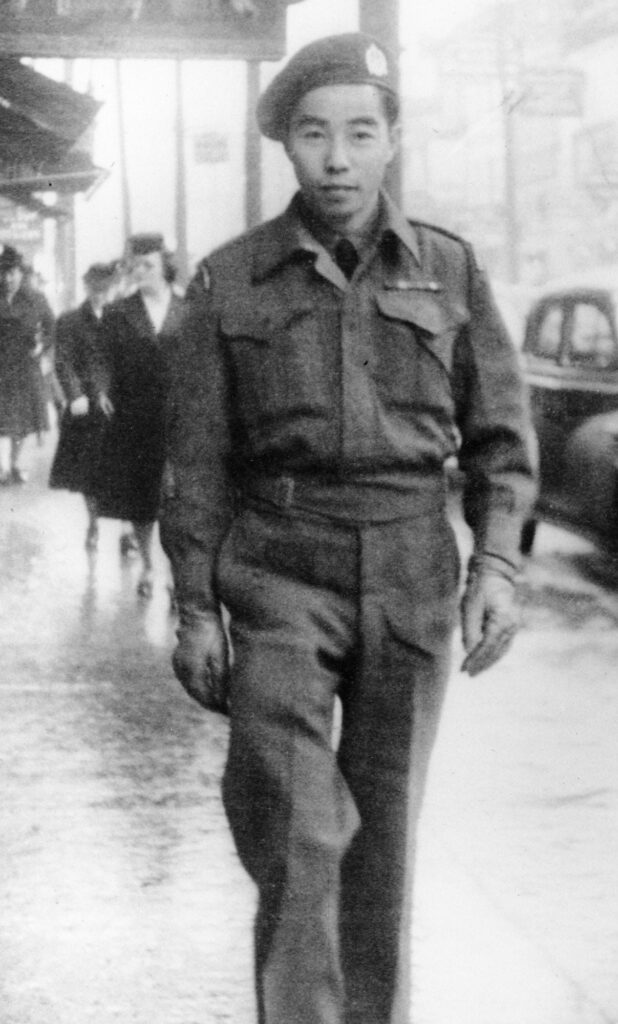
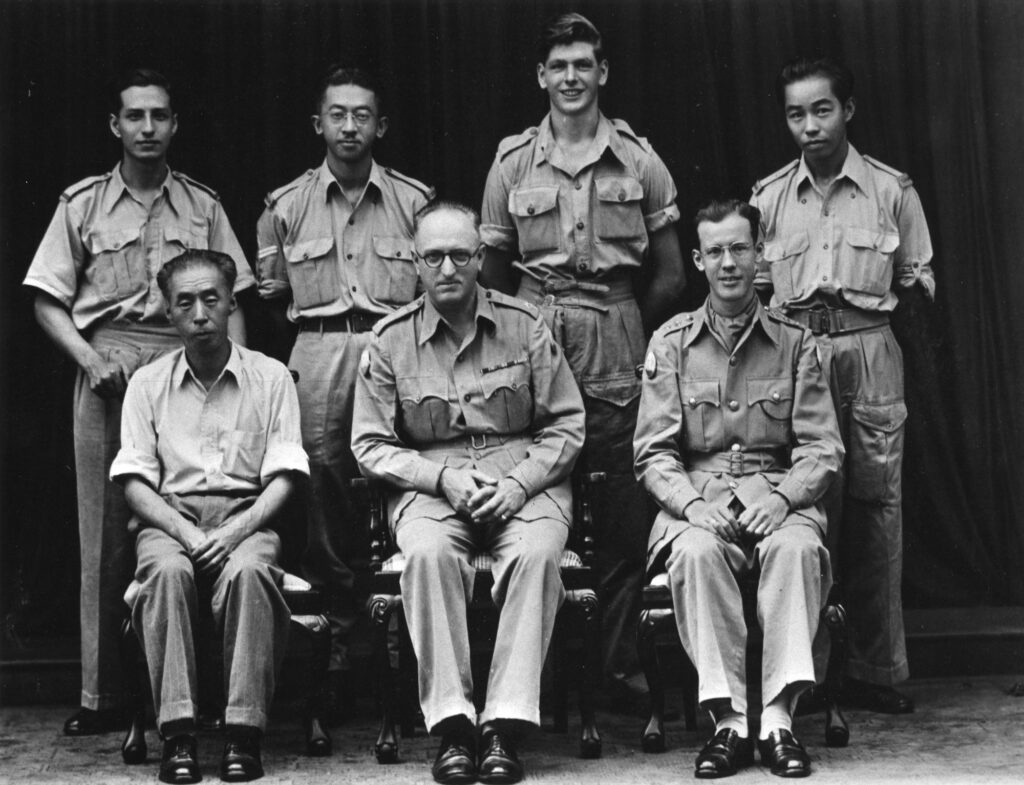
Buck Suzuki returned home in 1946 and met his baby son for the first time. He tried unsuccessfully to return to fishing on the Fraser River in 1946, ignoring the ban on Japanese Canadians returning to the “Protected Area”. He was not allowed to return to Vancouver with his family until 1947, and began fishing again in 1949. He had to purchase his own house, which had been sold by the Custodian of Enemy property without his consent [Ito, 1994, page 394].
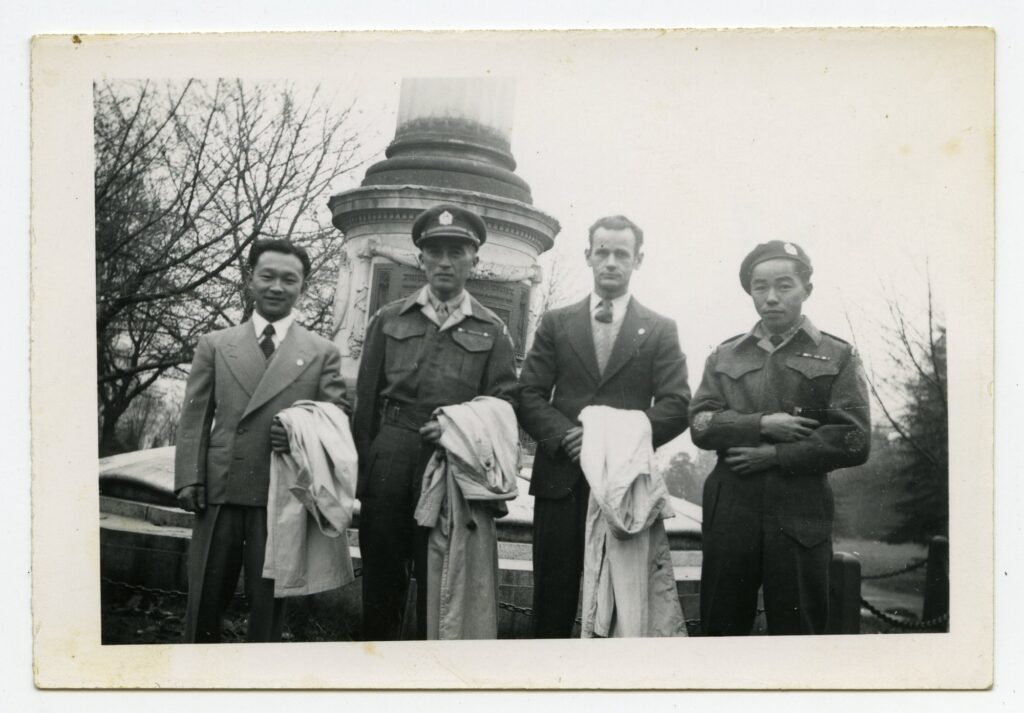
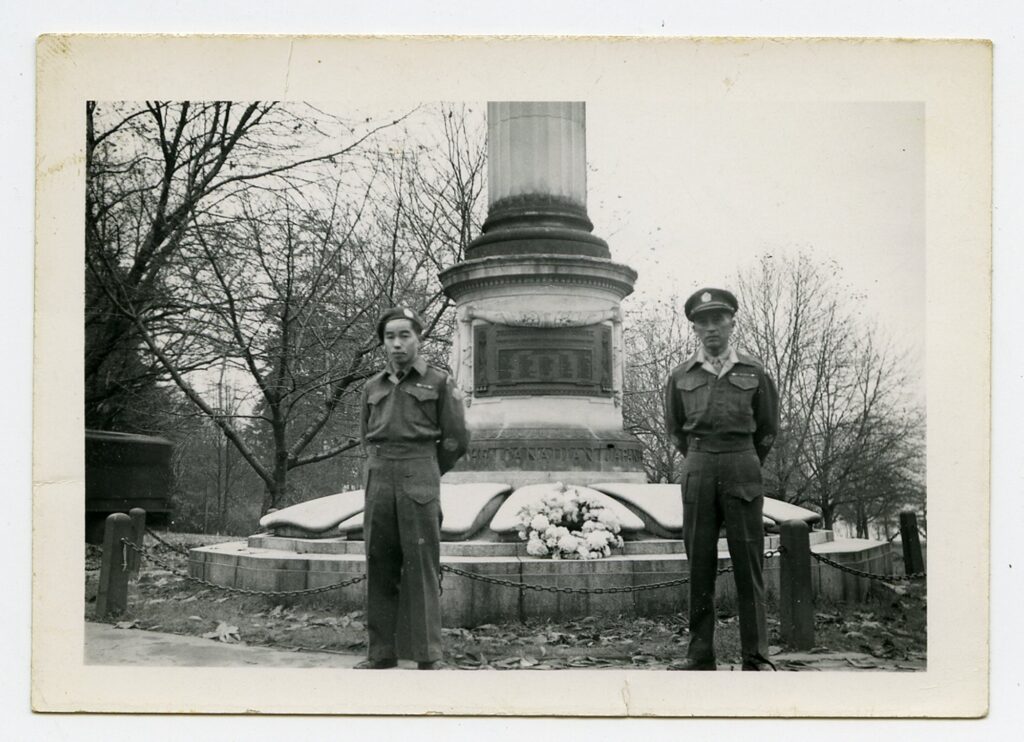
He negotiated an agreement with the United Fishermen and Allied Workers Union. The union would allow the entry of returning Japanese Canadian fishermen, provided they joined the union as equals. He was working against anti-Japanese racism that remained from the war, plus some Japanese Canadian leaders held the putative association of the union with communism [T. Buck Suzuki Foundation, n.d.]. For the first time, white fisherman and Japanese Canadian fishermen worked in harmony [Ito, 1994, page 397].
Buck Suzuki later became an activist, protecting fish habitat in British Columbia, and protesting the dumping of industrial and sewage waste into the Fraser River. He died in 1977 at the age of 61. The T. Buck Suzuki Environmental Foundation, founded by members of the United Fisherman’s and Allied Workers Union in 1981, continues his work to protect freshwater and marine fish habitat [T. Buck Suzuki Foundation, n.d.].