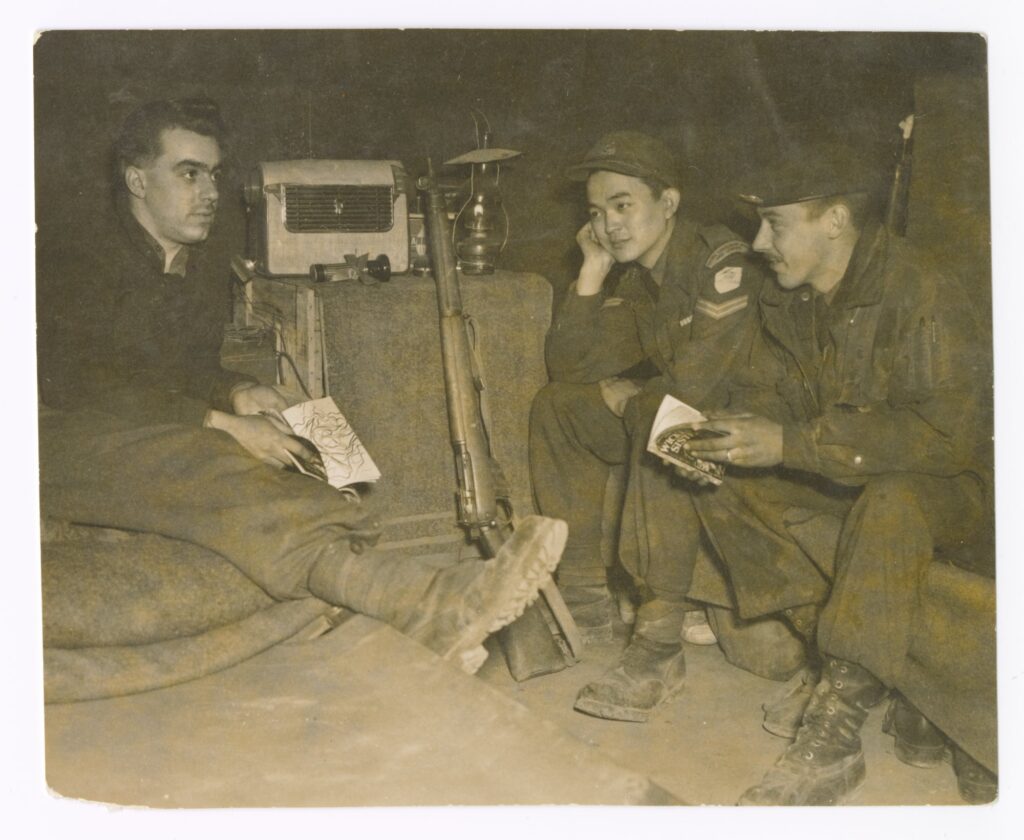
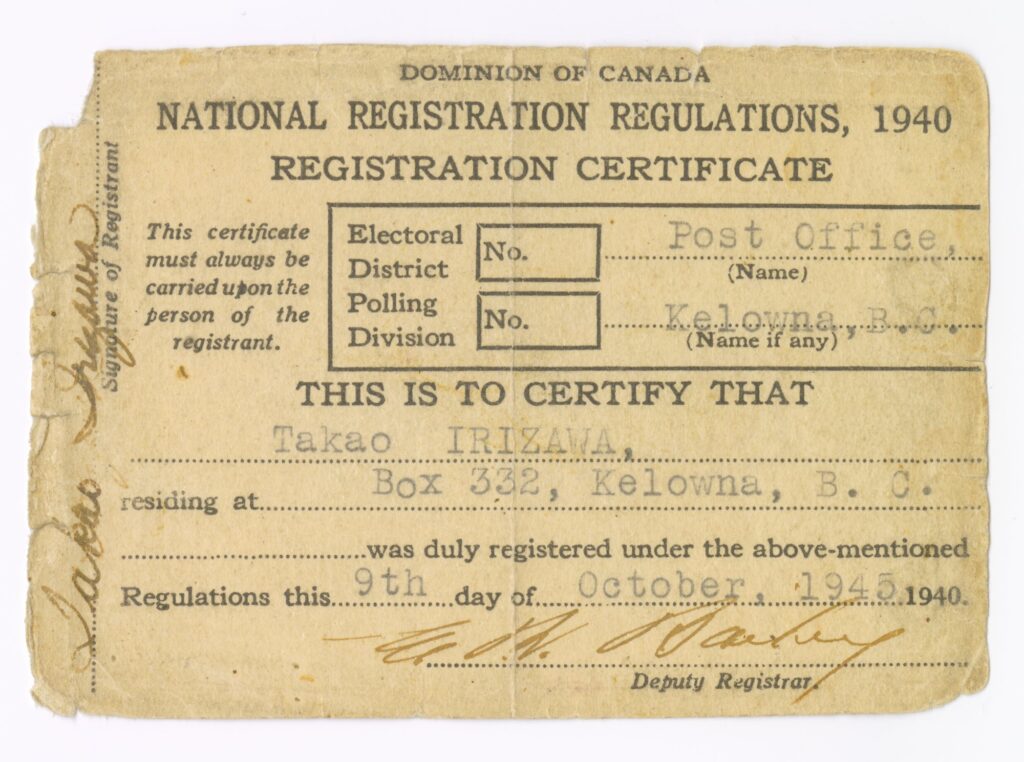
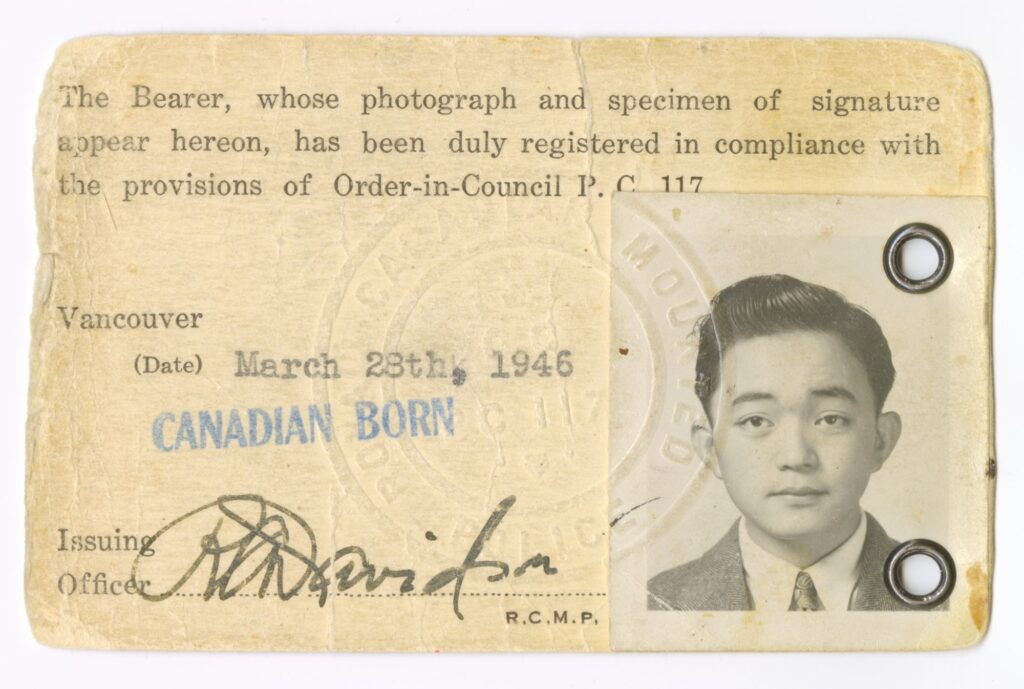
Tak Irizawa was born in 1929 in Vancouver. His parents, Junichi and Sumiko, were from the Hiroshima area. They immigrated to Vancouver in 1928. They came to Canada because Junichi’s brothers were already in Canada, living on Vancouver Island and at Haney. Tak’s father worked for the Furuya store in Vancouver. Tak’s mother was a teacher at the Vancouver Japanese Language School on Alexander Street. When he was young, Tak attended Hastings School in Vancouver, near the Pacific National Exhibition. As the Furuya company needed a representative in the interior of BC, Tak’s family moved to Kelowna in 1938. Although the family was not interned during the Second World War, members were under many restrictions applied to people of Japanese descent.
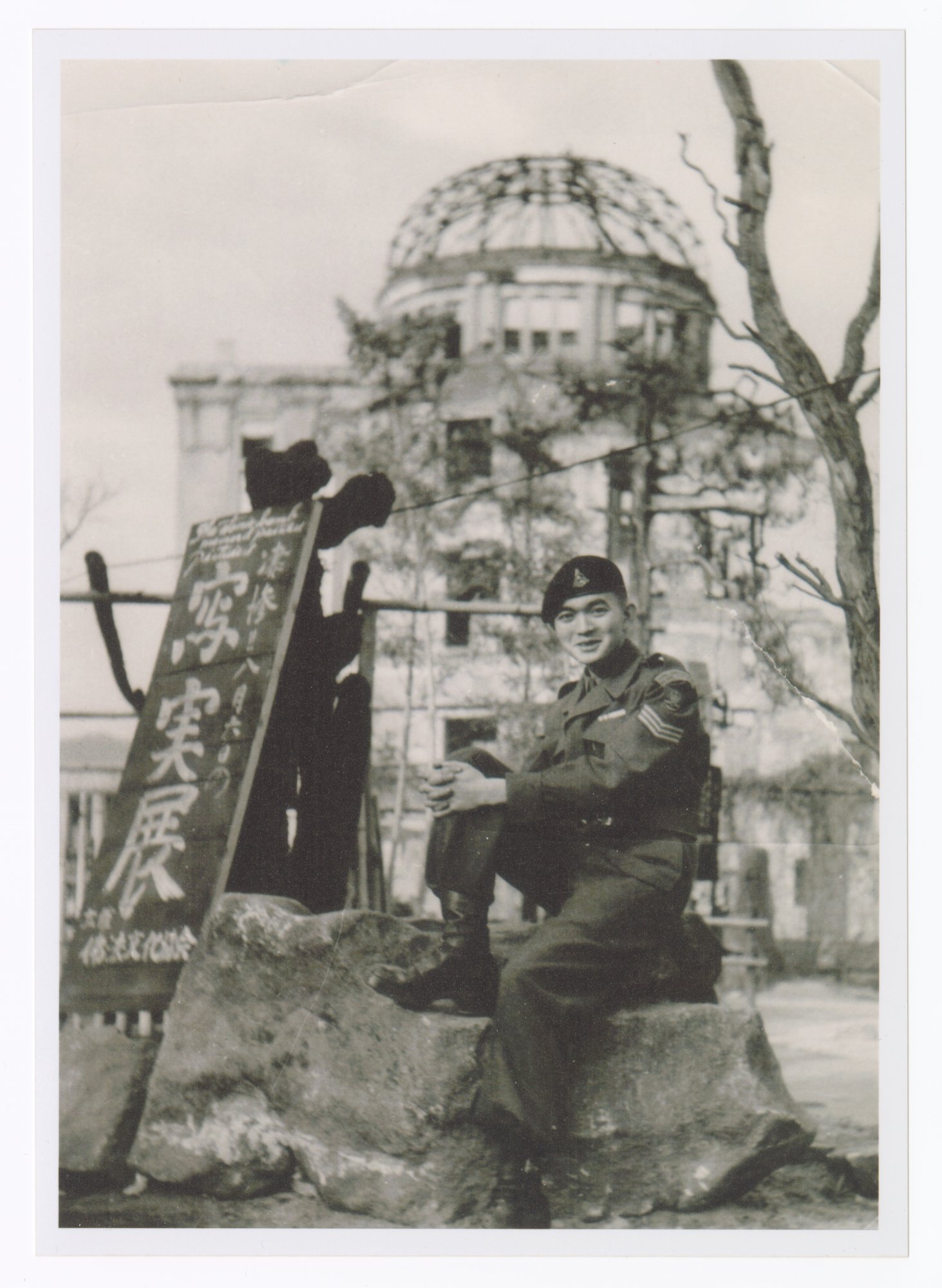
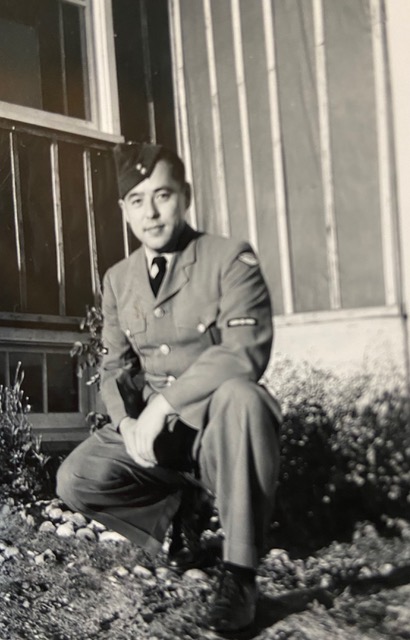
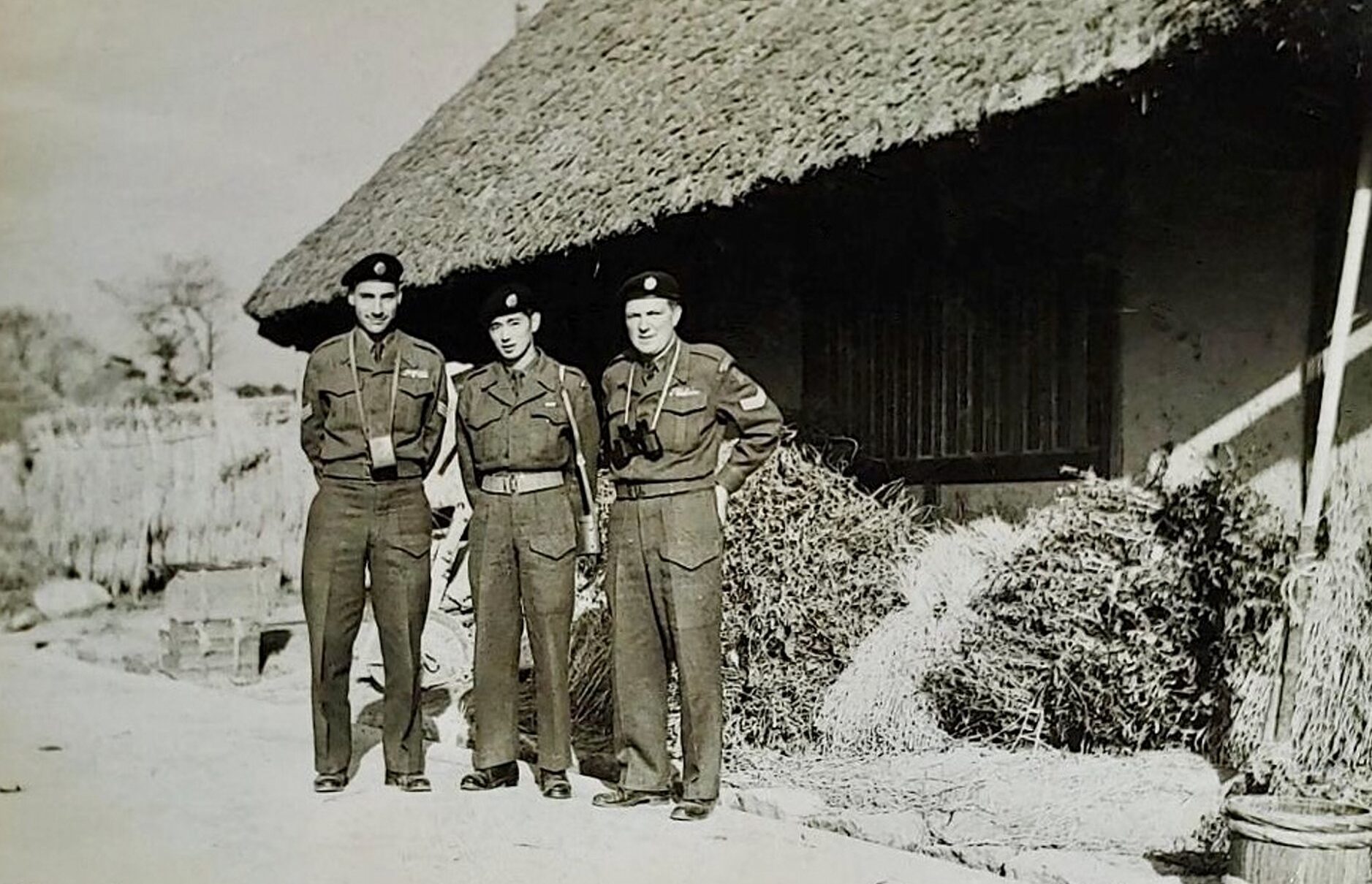
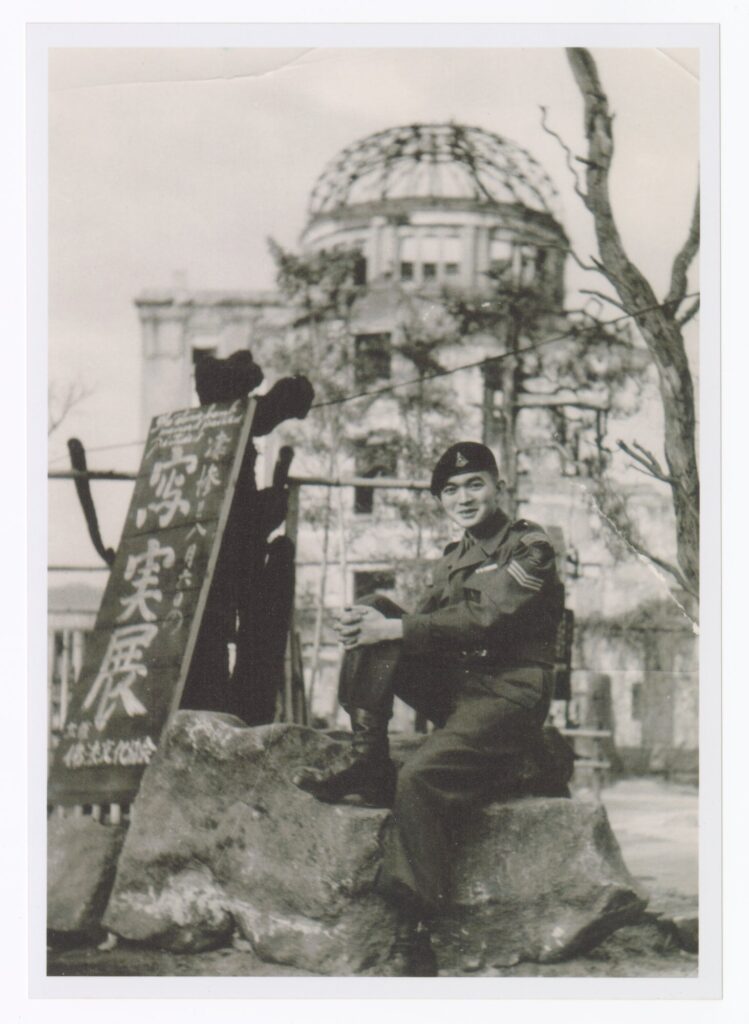
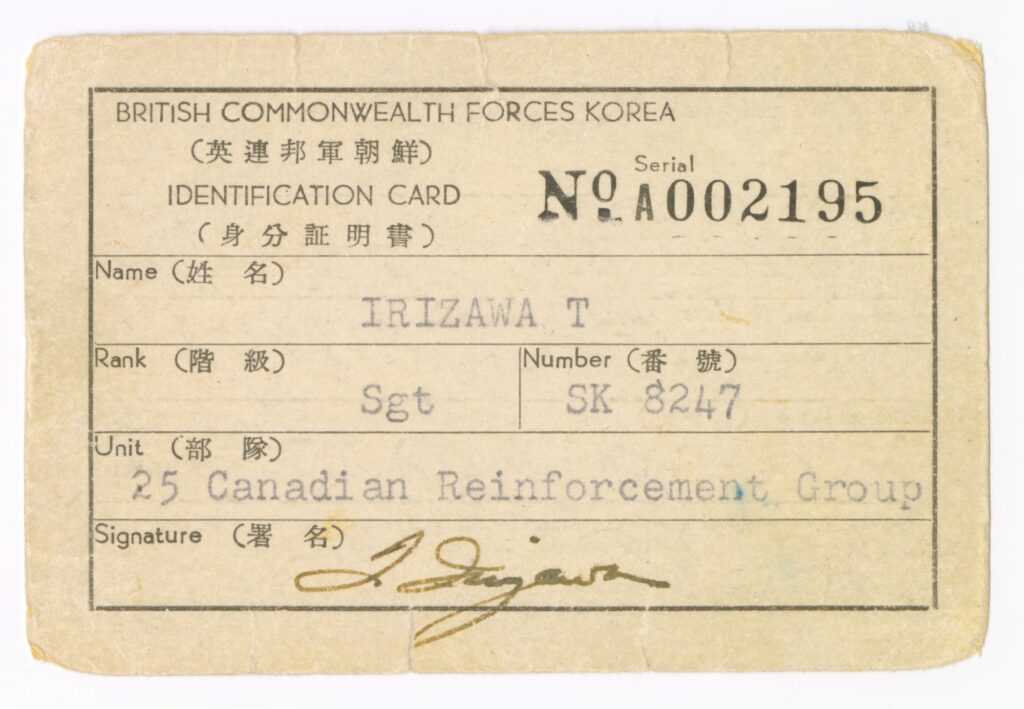
After Tak graduated from Kelowna High School in 1947, he was unable to find a white-collar job. As before the Second World War, the only jobs that Japanese and Japanese Canadians could participate in were farming, fishing, logging, and mining. He decided to join the army in an administrative role in 1950 as the Korean War started on June 25, 1950. He did basic training at Camp Borden in Ontario, and was posted to Vancouver, Ottawa, then Japan (Camp Hiro, near Hiroshima City), and Korea. His nickname in the army was Chuck. He served in Japan and Korea in the 25th Canadian Infantry Brigade, part of British Commonwealth Forces. The US occupation of Japan ended in 1952 April. He was posted to Korea in 1952 December until June 1953.
His service with the Canadian Army consisted of accounting work in the pay office. He stayed for 6 months near Kaesong, North Korea, close to the Demilitarized Zone. British, Australians, and New Zealanders also worked near the DMZ. Tak and others handled the pay for approximately 5000 troops, but not for the 3000 infantry, who had their own paymaster. He could hear constant artillery fire nearby while he was working.
When interviewed years later about his experience in Korea, Tak said, “I found it very disconcerting. All the people were dislocated without homes, no source of income, little kids poorly dressed, and very little food. It was very sad to see that. The whole country was blown apart. I never want to see that again (Ly, 2009)”.
Tak recalls Korean children standing near the garbage cans in the camp mess hall, waiting for scraps to take to their families.
In 1952, the war was winding down, although there were still skirmishes at night. After many negotiations, an armistice was reached on July 27, 1953, but technically the Korean War was still ongoing. Tak was next posted to Japan.
Tak met his maternal grandmother for the first time in 1952 – she lived in Yamanouchi, outside of Hiroshima. He spent a happy New Years holiday with her. He saw her only twice before she passed away.
After the armistice, Tak worked at Camp Hiro for a year. He was promoted to sergeant there and posted to Vancouver in July 1954.
Thirty nisei signed up with the Canadian Army for service in the Korean War. They were invited to join. Some were nisei who signed up from Japan; their families had been exiled to Japan after the Second World War and they were destitute after spending years in the war-ravaged country. Working in the Canadian army was an opportunity to earn enough money to return to Canada. Nineteen nisei signed up from Canada, including Tak.
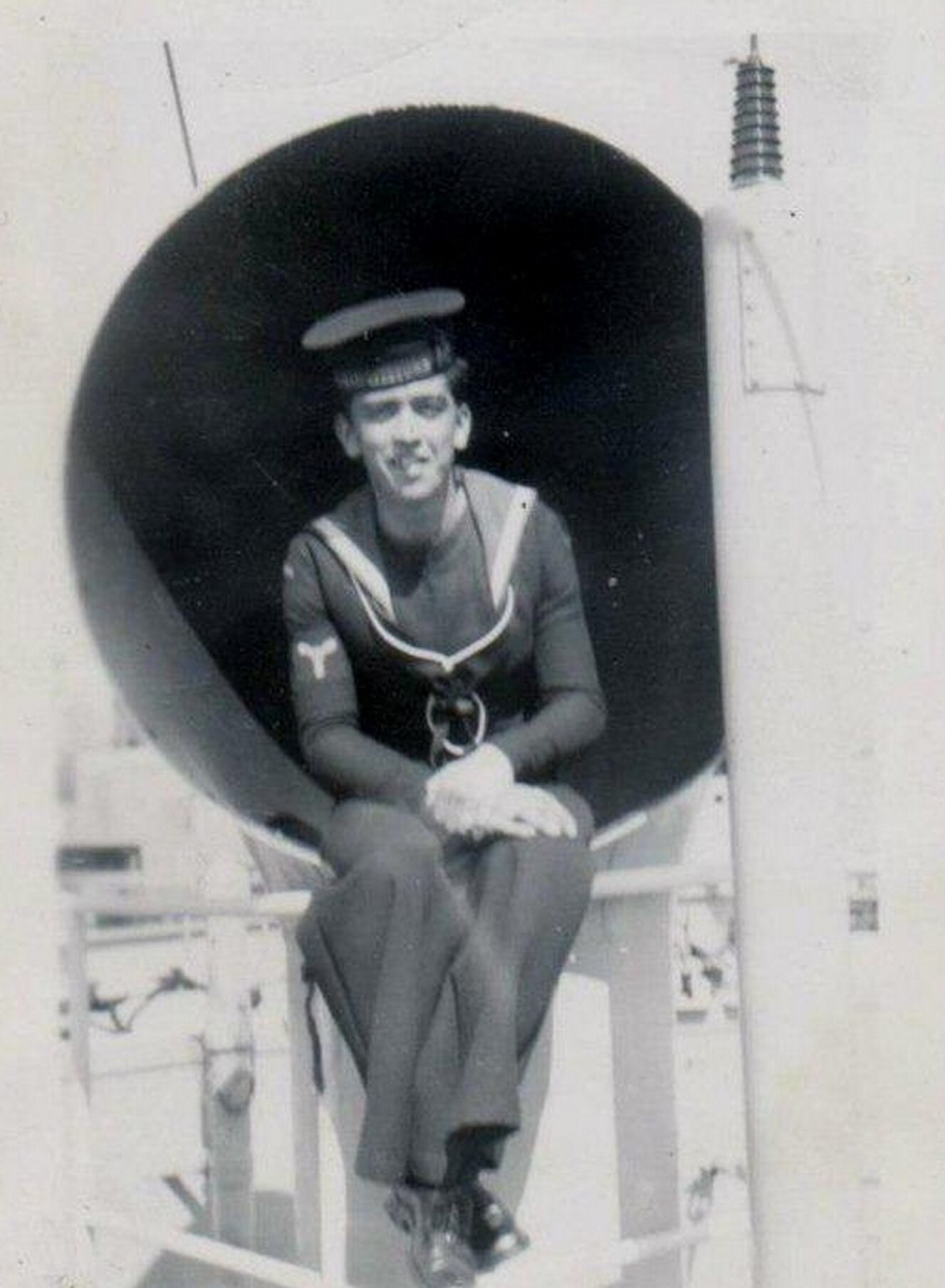
Tak’s brother Masahiro (who died in 1972) served in the Royal Canadian Navy in Korea. Tak and Masahiro were able to meet once in Sasebo, Japan, aboard a ship during their service.
Tak retired from the military in 1956 after six years of service. His Veteran War credits enabled him to enroll in a 5-year accounting course (CPA/CA) at Queen’s University and University of Toronto.
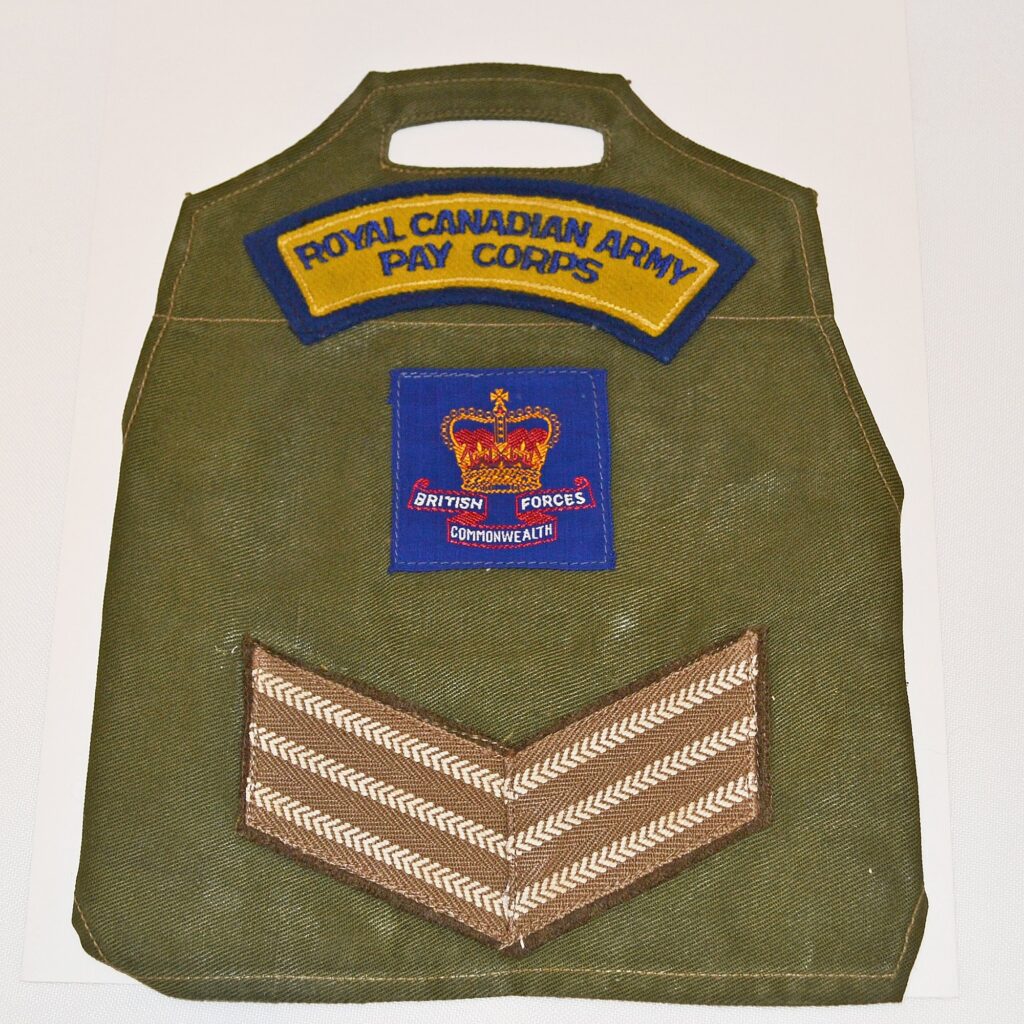
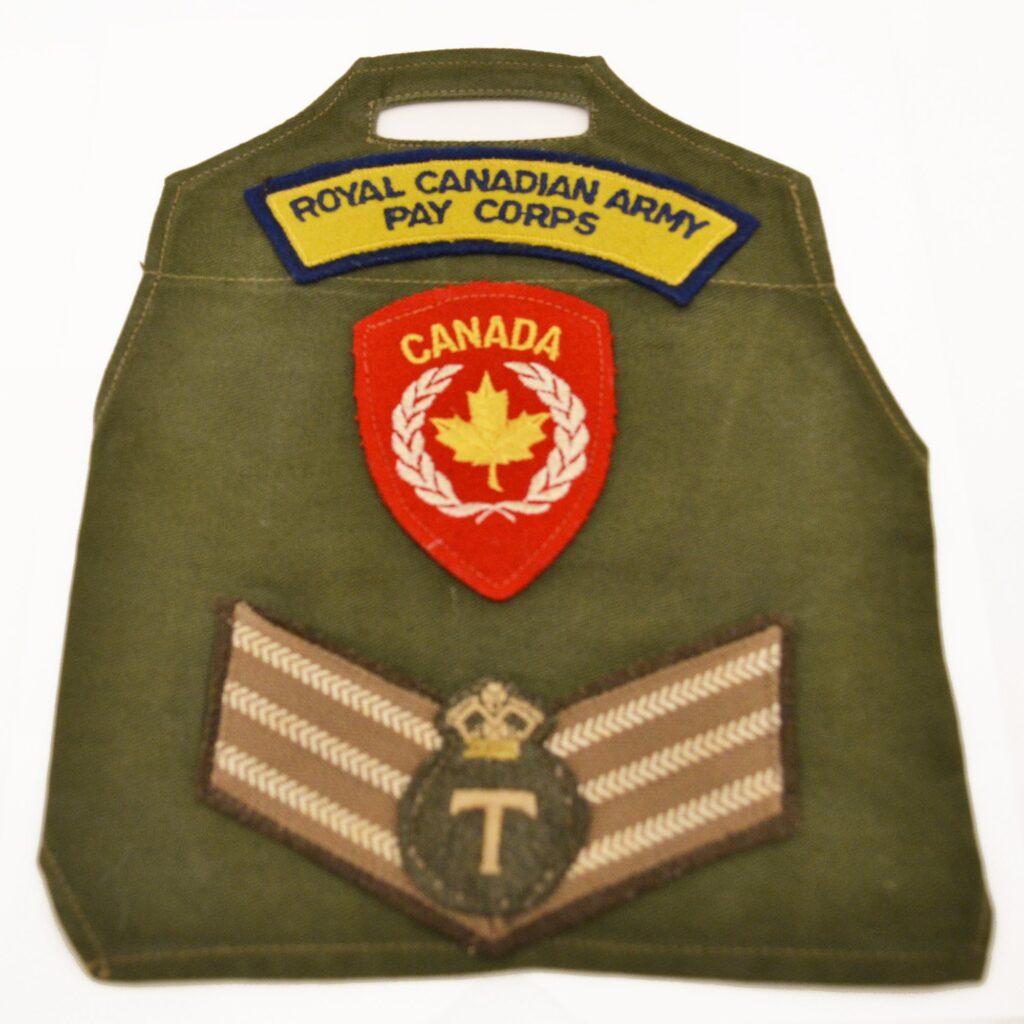
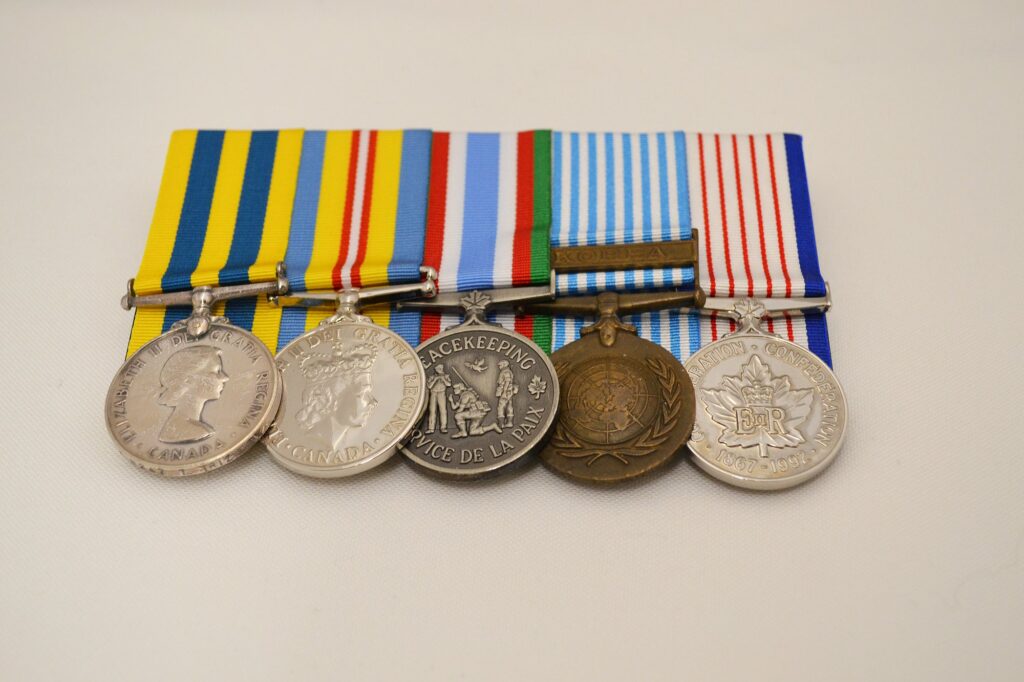
He articled at an accounting firm for 6 years, then worked for Elgin Motors Company Limited, where he became the company treasurer. The company became a developer of office complexes and shopping centres. He retired in 2005.
Tak’s wife Kazuko Kodama was interned in New Denver. They married in 1956 and have remained in Toronto. They have a daughter and two grandchildren.
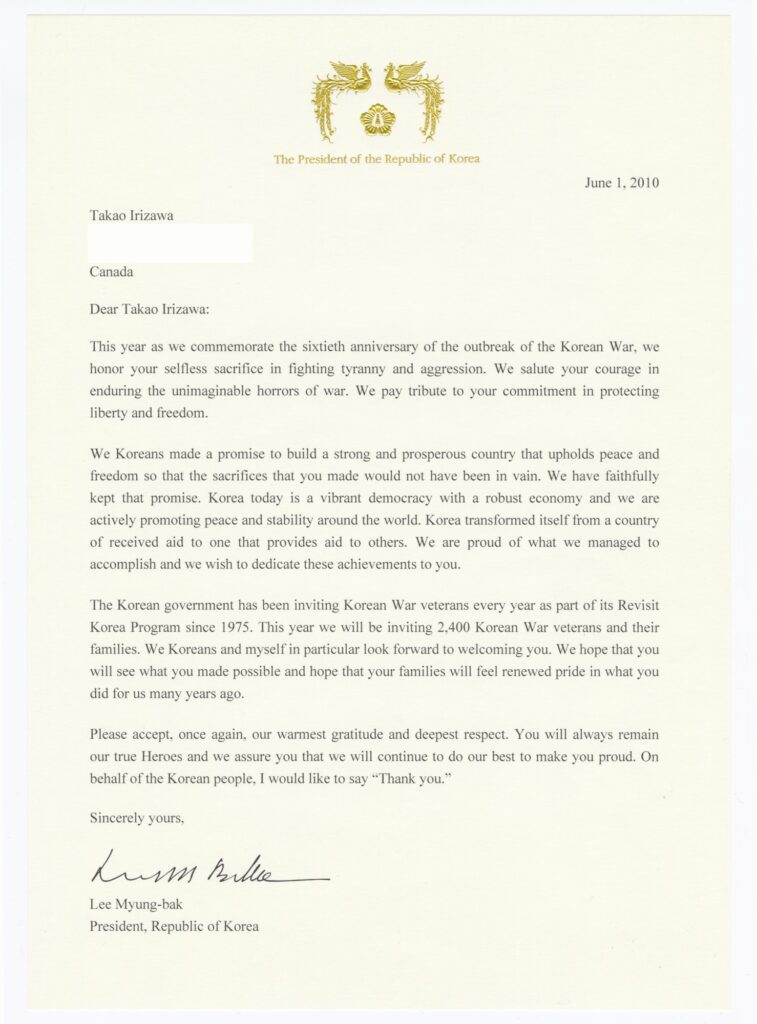
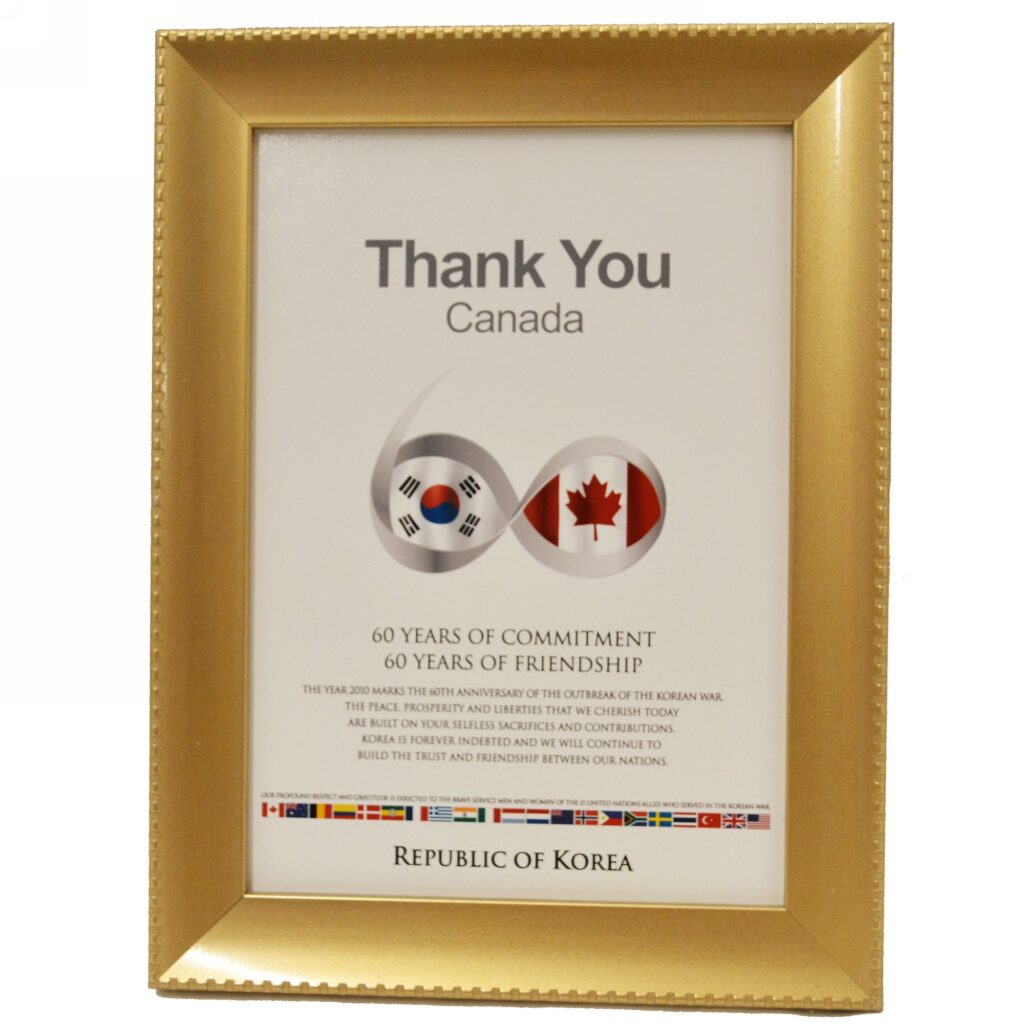
Tak was the National Treasurer of the Korea Veterans Association of Canada Inc. for five years. In 1995, he was invited by the Department of Veterans’ Affairs to visit war sites in Japan and Korea. He also was also invited by the Korean government, as a Korean War Veteran, to see the results of rebuilding in the country.
Tak also volunteered with the Toronto Japanese Language School for seven years. He was the Treasurer of the Amyotrophic Lateral Sclerosis (ALS) Society of Ontario for five years. He served for two years as a Director of the Nipponia Home in Beamsville, Ontario. Tak’s comment on his experience is “War is Hell! Let’s hope that there will be everlasting peace”.