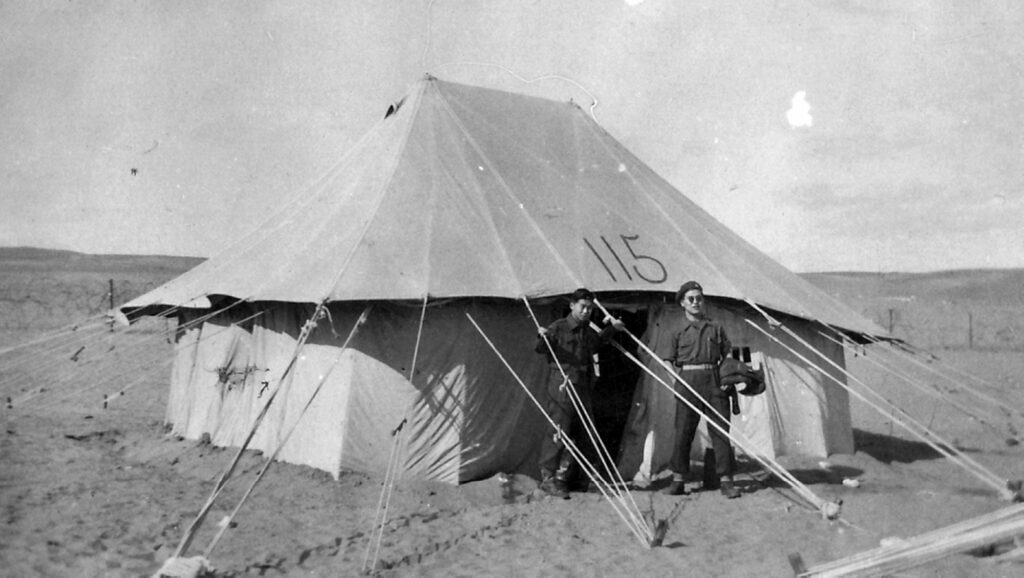
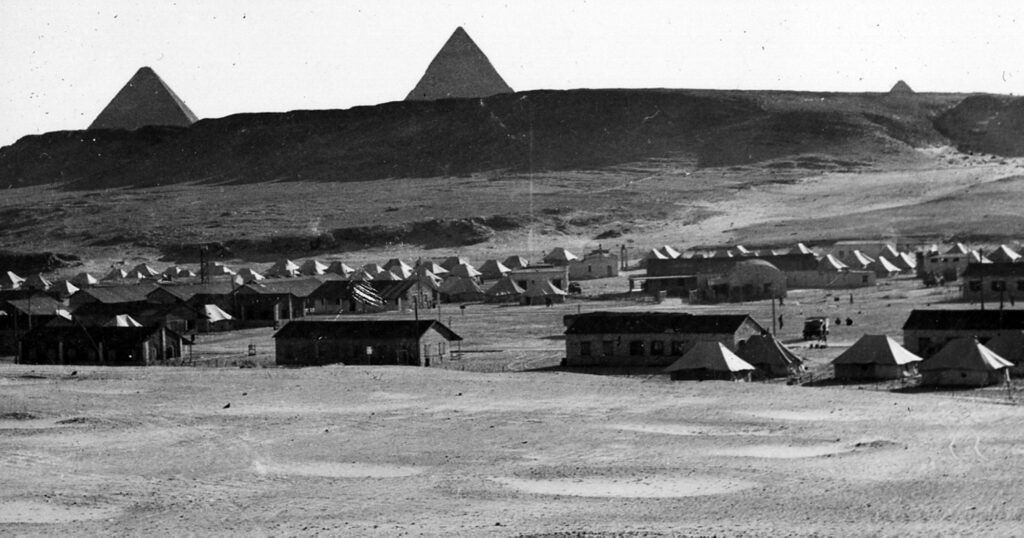
Roy Ito and Shig Oue outside their tent at Mena Camp near Cairo, Egypt; January 1946. Courtesy of Oue family.
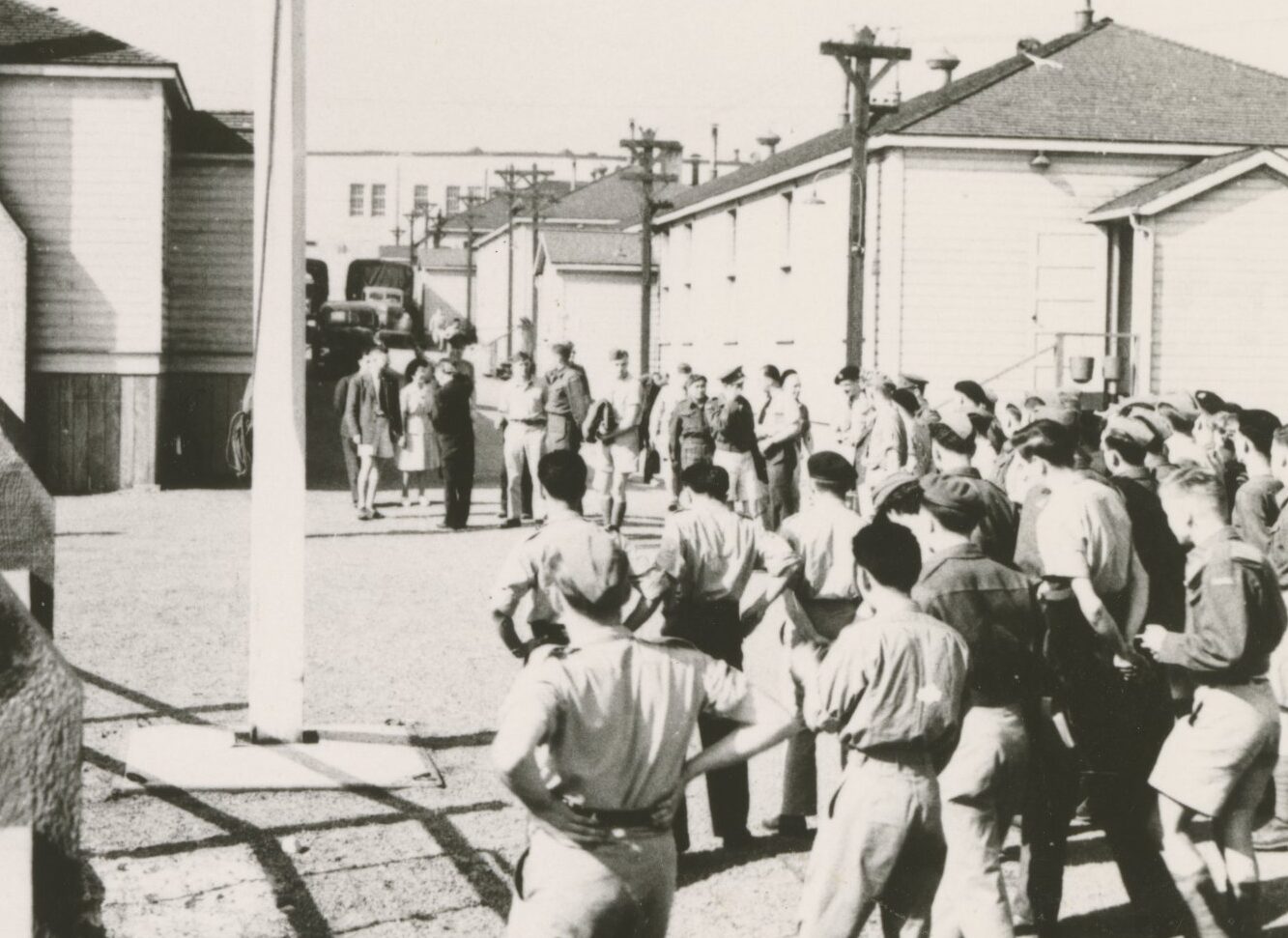
The nisei of the senior class, minus Roy Matsui, were posted overseas with fellow S-20 students Ferdnand Leduc, Frank Haley, Howard MacDonald and Bill Hunter. The group travelled by land, air, and sea from Vancouver to Karachi, India. Their flying experience was memorable; between Rotherham in the U.K. and Karachi they were on three flights that included two planes with engine problems and one emergency landing in Cairo. When they arrived at SEATIC headquarters in New Delhi, they had a brief reunion with members of the India group of nisei. They also received their initial assignments to various locations. Tad Ode was sent to Tokyo; Shigeru Oue, to Batavia, Java; Sadao Nikaido, to Singapore; Eiji Yatabe, to Bangkok; Roy Ito, to Hong Kong. Ferdnand Leduc was sent to French Indo-China. Frank Haley was sent to Singapore (Ito, 1984. p. 254).
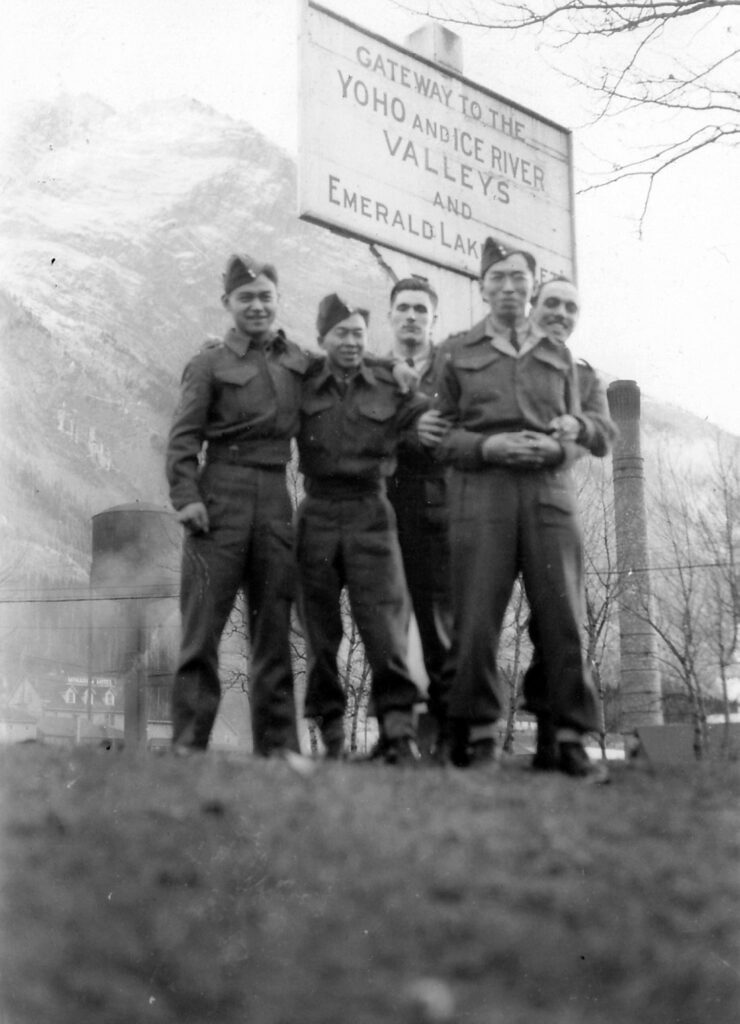
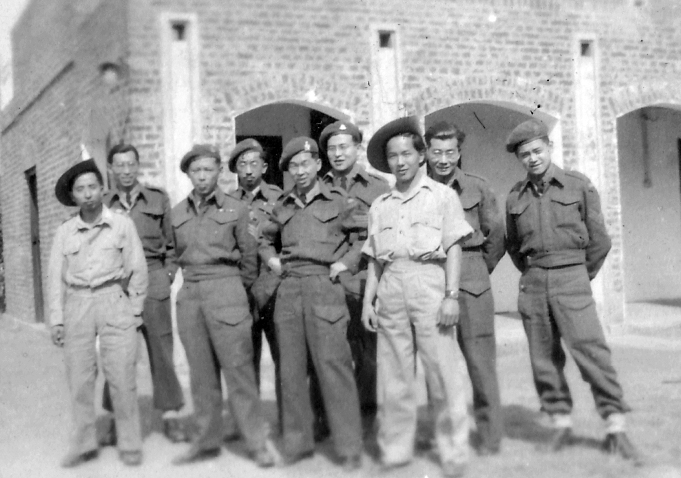
Soldiers of the senior Nisei S-20 group enroute to the U.K.; Field, BC, 1945. Courtesy of Oue family. Left to right: Tad Ode, Roy Ito, Frank Haley, Eiji Yatabe, Ferdnand Leduc.
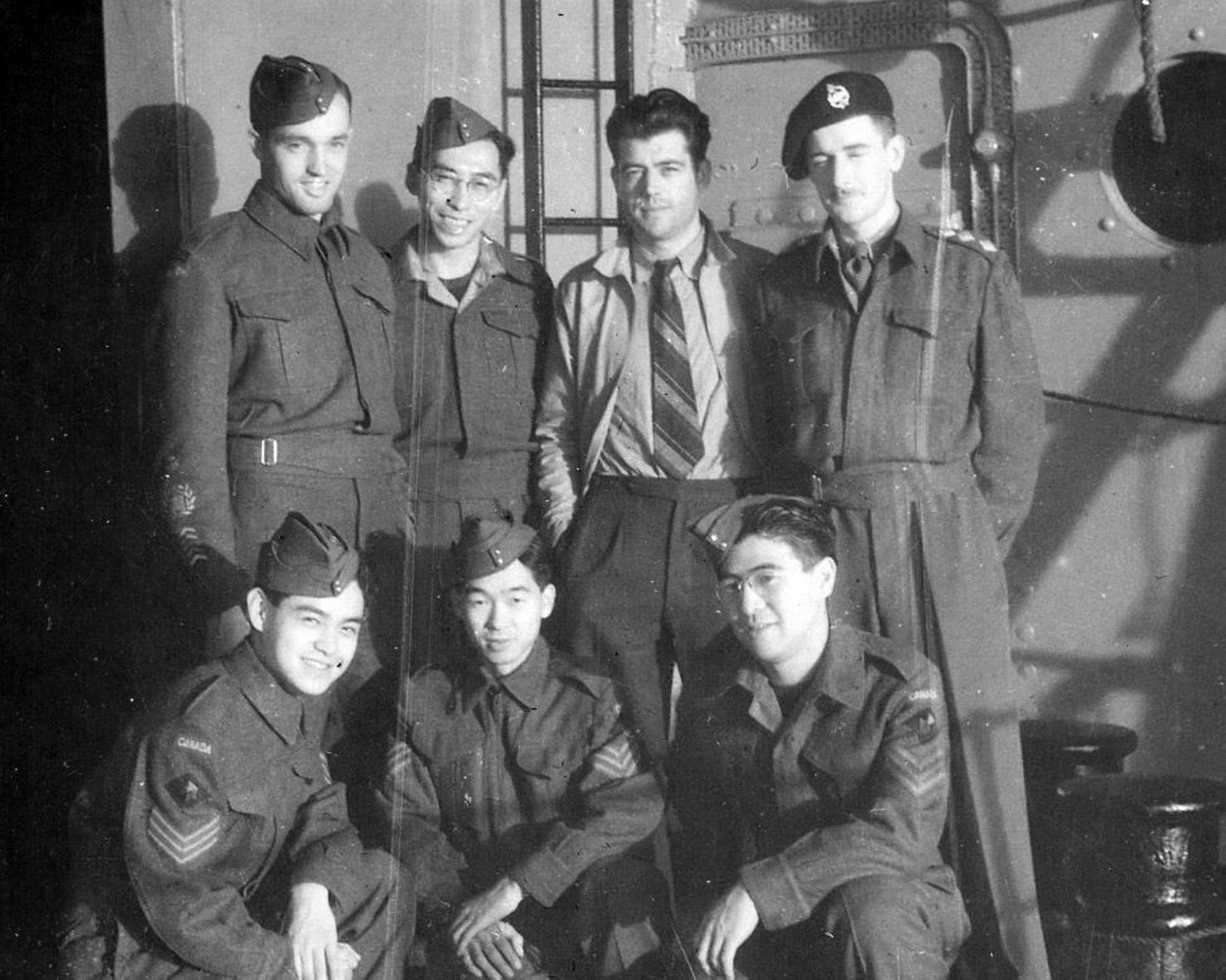
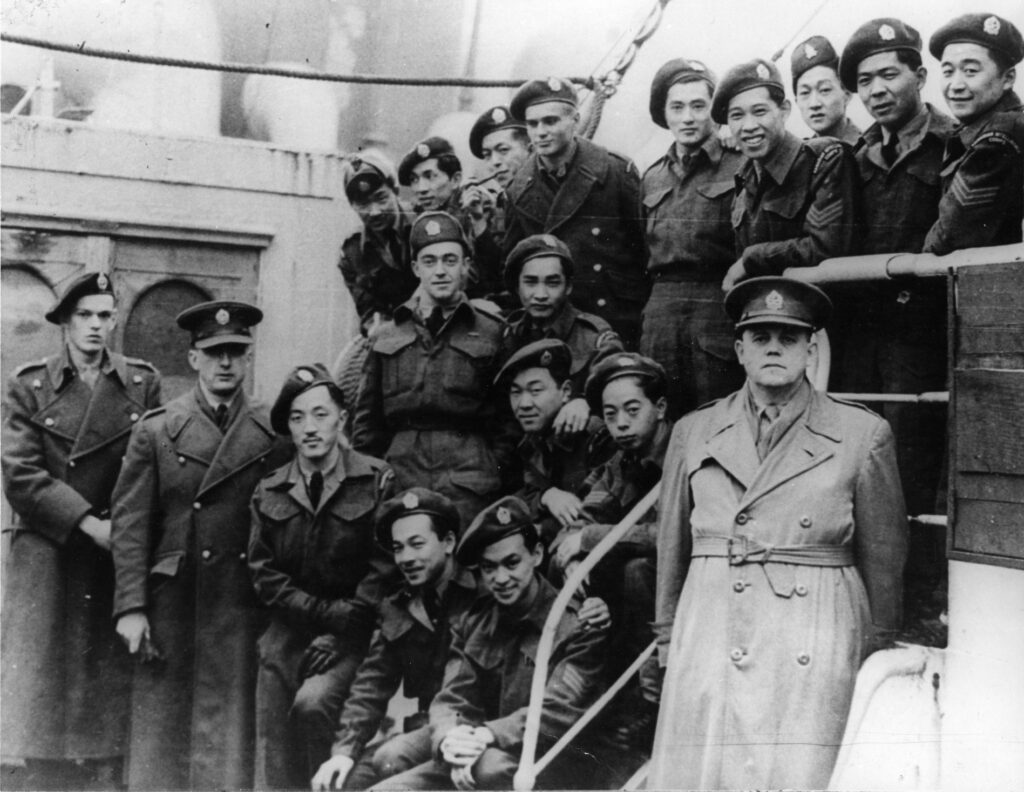
The soldiers of the senior Nisei S-20 group, with new sergeants’ stripes, on board The Empire McKendrick in Montreal to cross the Atlantic; 1945. Courtesy of Yatabe family. Front row: Tad Ode, Roy Ito, Shig Oue Back row: Bill Hunter, Eiji Yatabe, unknown, Captain “Wimp” Tomlinson.
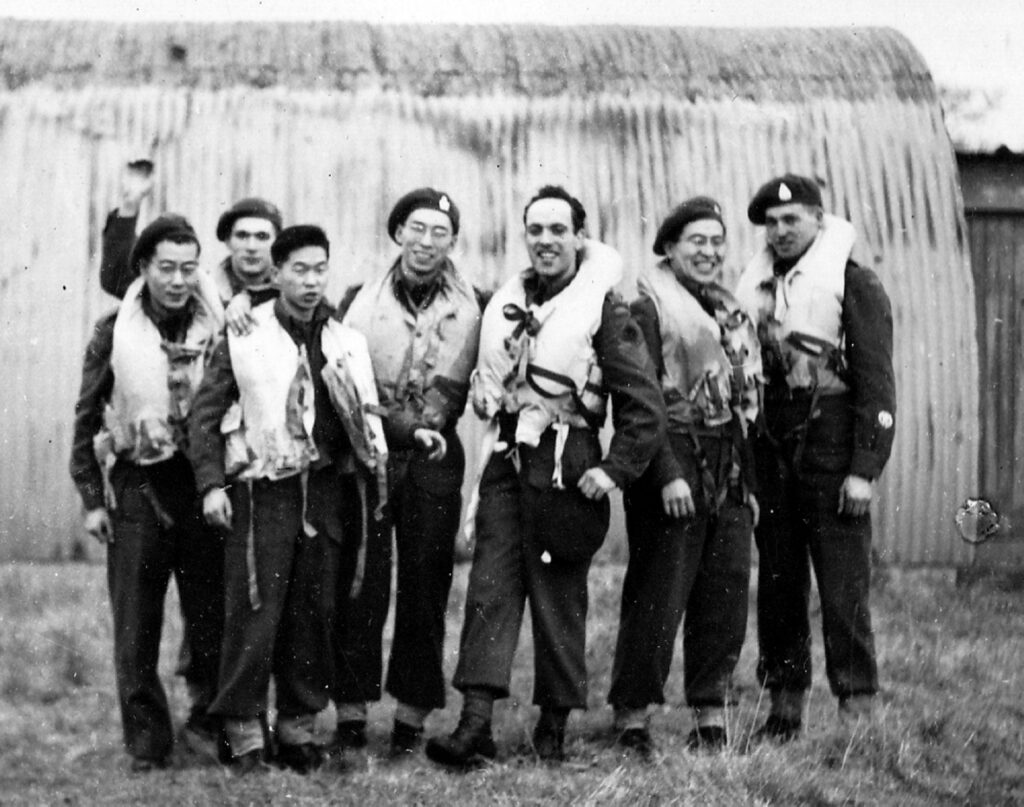
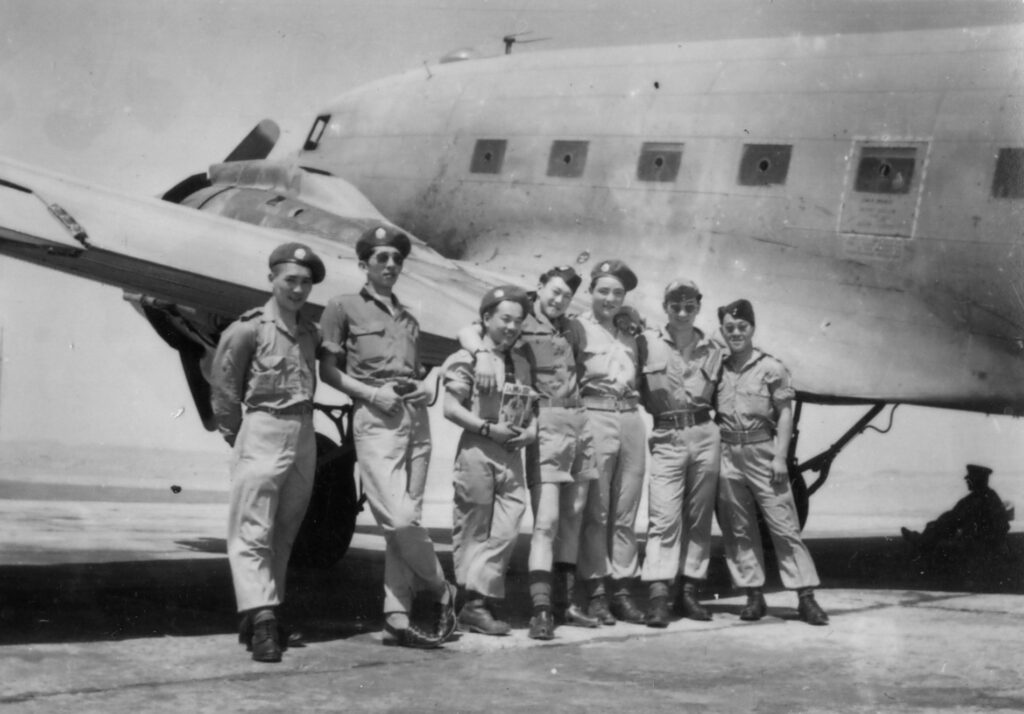
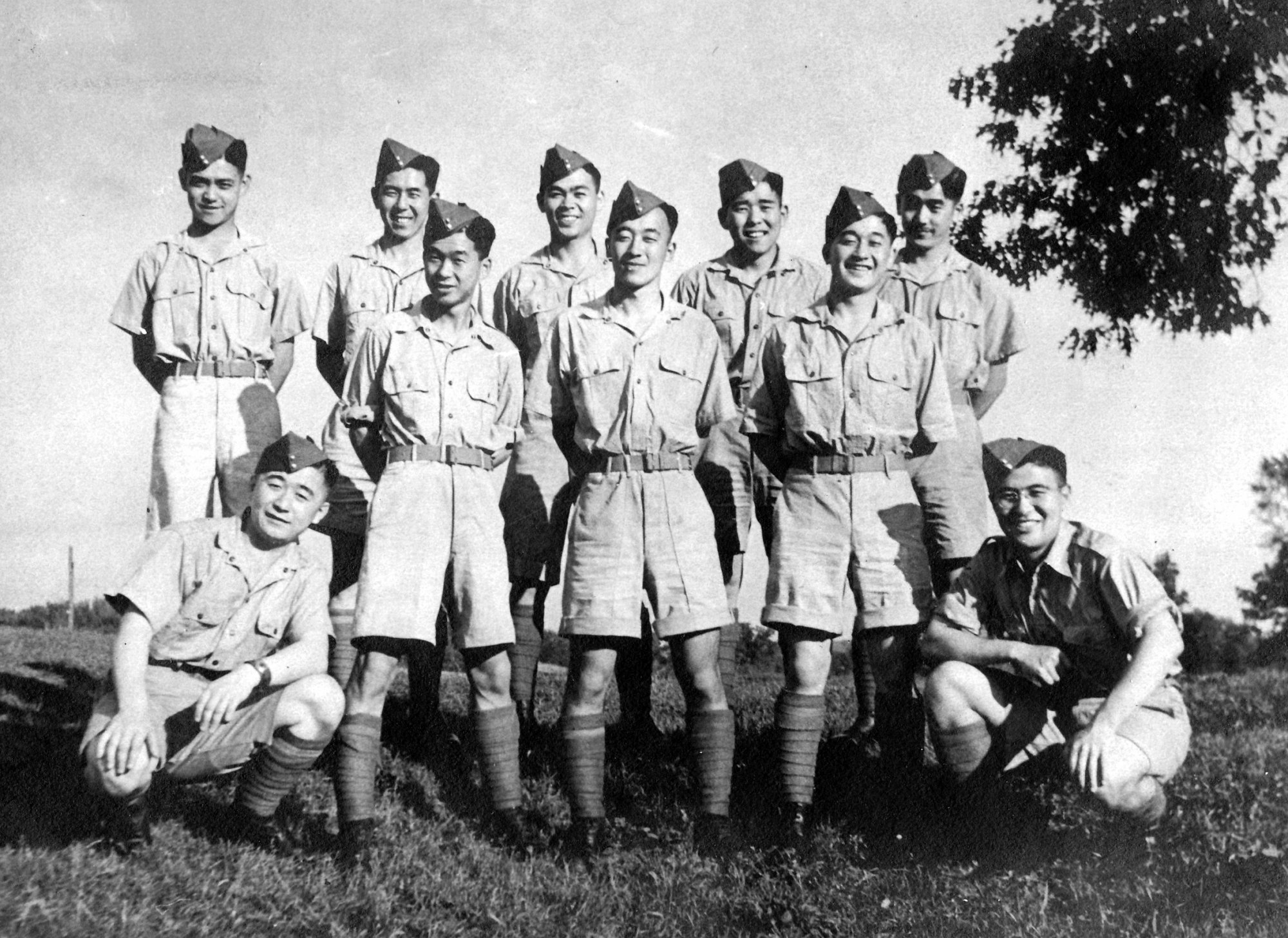
Members of the senior Nisei S-20 class at Holmsley Airfield shortly before flight to India; England, circa 1945. Courtesy of Yatabe family.
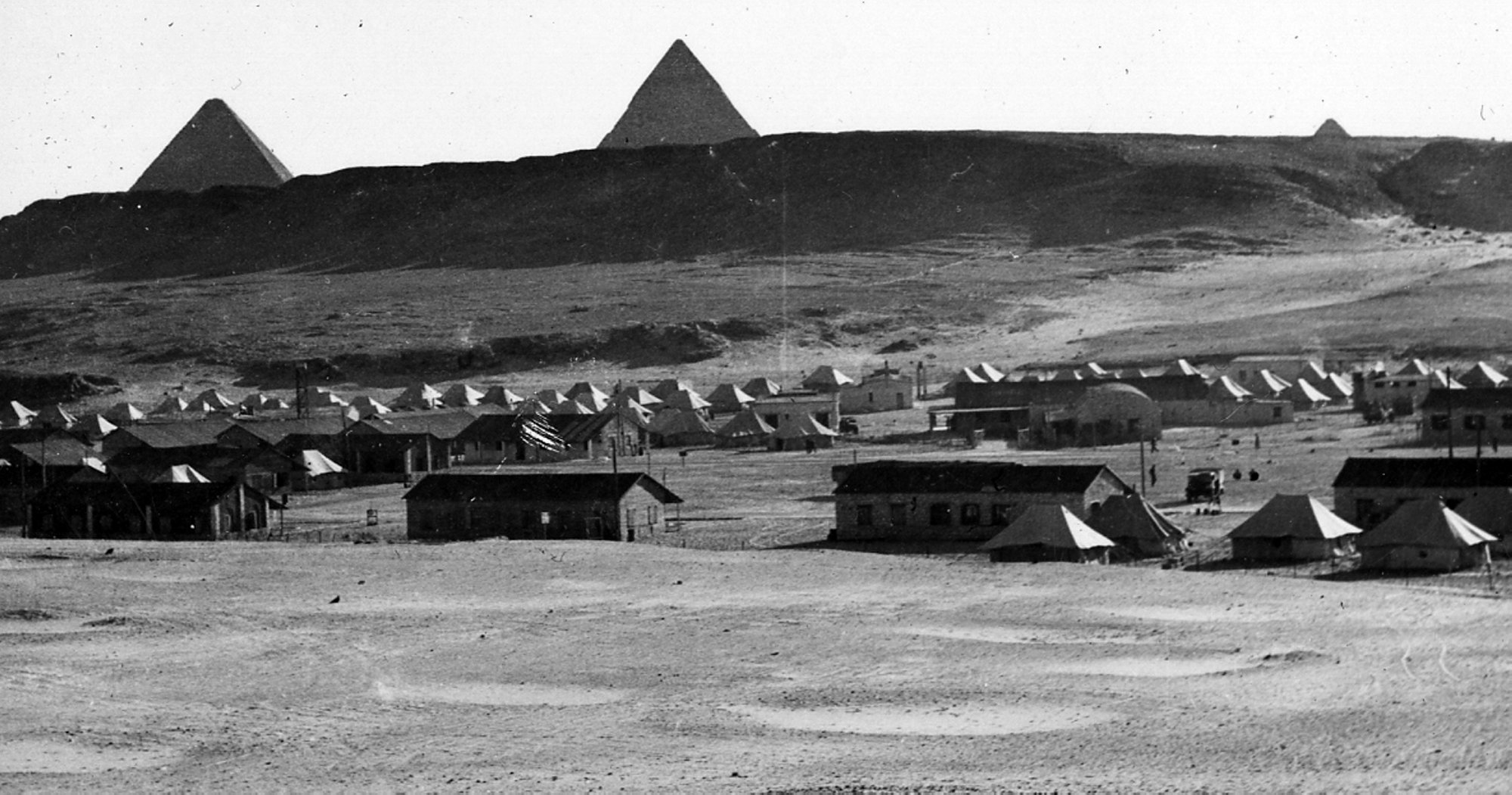
Left to right: Sadao Nikaido, Frank Haley, Roy Ito, Eiji Yatabe, Ferdnand Leduc, Shig Oue, Bill HunterMena Camp, Egypt, showing proximity to the Pyramids; circa 1946. Courtesy of Yatabe family.Reunion of the senior group of Nisei S-20 graduates and members of the India group of Nisei; New Delhi, 6 February 1946. Courtesy of Oue family.
Eiji Yatabe is second from left, Albert Takimoto is fourth from left, Shig Oue is sixth from left.
The second and final overseas draft of nisei from S-20 left Vancouver in January 1946 for Singapore via England and India. Min Yatabe, younger brother of Eiji, was one of 14 nisei in this group of 19 soldiers, newly promoted to sergeants.
The S-20 nisei in the Far East served mainly with the War Crimes Investigation Force set up shortly after the war ended (LaMarsh, 1967, Adachi, 1976, p. 294) as interrogators and interpreters. They sometimes screened documents. They worked in the Dutch East Indies, Malaya, Burma, Thailand, French Indo-China, Hong Kong, and Japan. Their workplaces included ships, military courtrooms, prisons, interrogation centres, and temporary camps set up in the jungle.
The second Nisei deployment from S-20 school, on ship enroute to Southeast Asia; 1946. Front row, left to right: Peter McKenzie, Tom Horne, Tom Yamashita, Mickey Nobuto, George Shintani, Llewellyn Fletcher. Middle row, left to right: Harry Curran, Greg Ohashi, Frank Matsubuchi, Kit Kitagawa. Back row, left to right: Klark Ito, Dan Chin, George Hasegawa, Drake Shelton, Saichi Imai, Minoru Yatabe, Joe Sato, Art Sakamoto, Jack Oki. CWM 19830626-001_34. George Metcalf Archival Collection. Canadian War Museum. Identifications from Ito, 1984, p. 232.Photo of Second World War Canadian Nisei Veterans; Castel Benito, Libya, circa 1946. JCCC Original Military Collection. JCCC 2005.01.01.04.
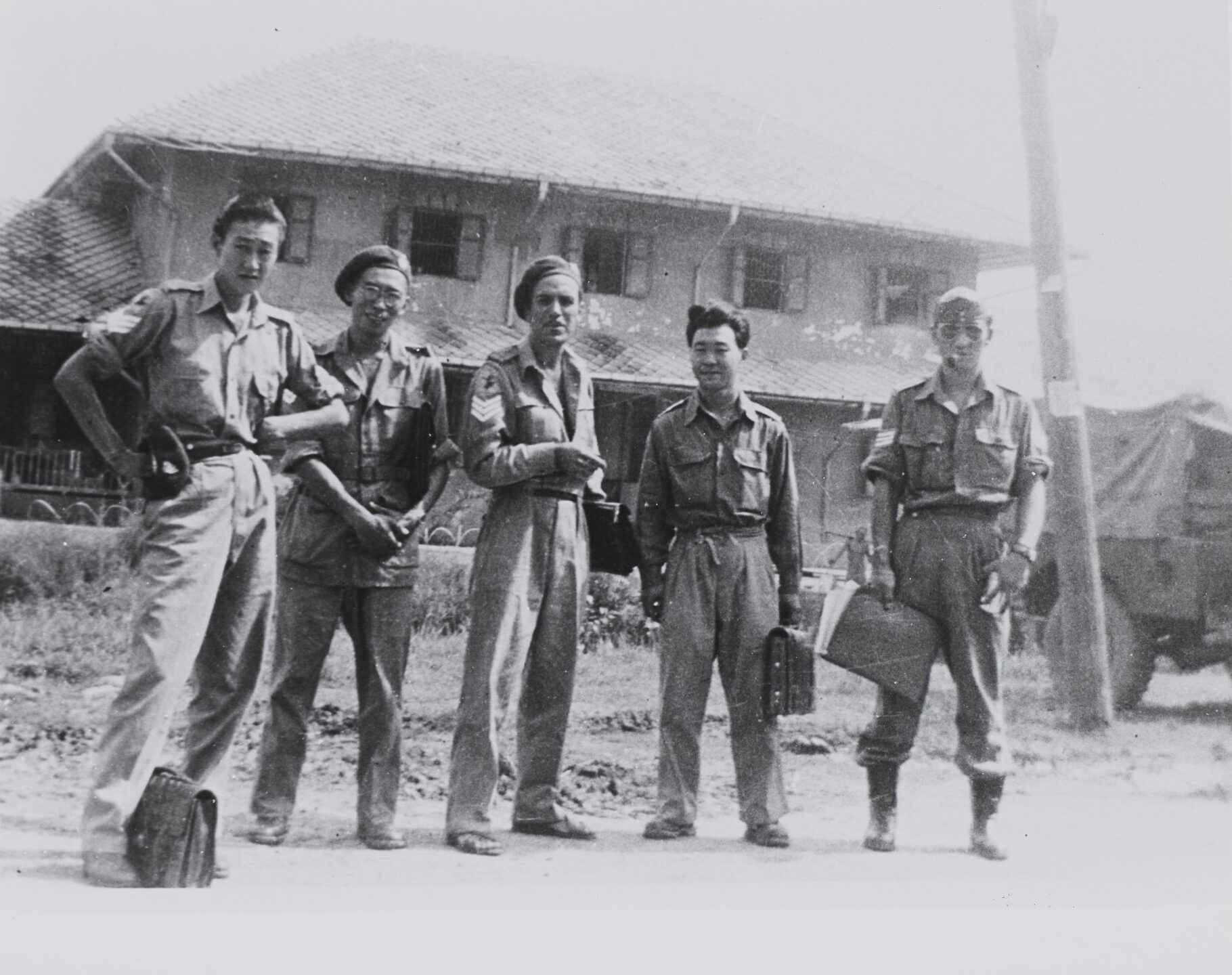
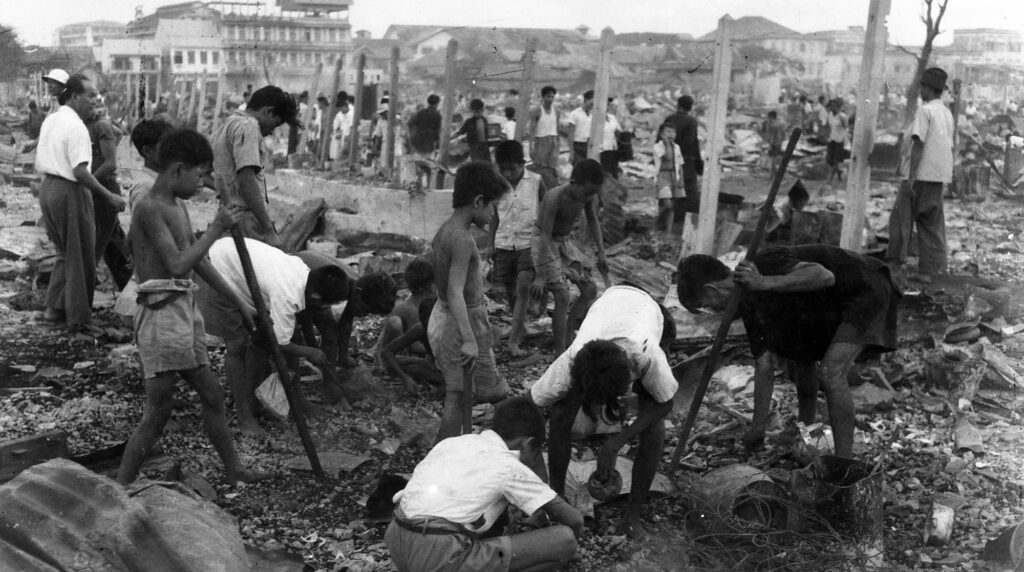
From left to right: Shei Omura, Dan Chin, Mickey Nobuto, Joe Sato, Saichi Imai, Klark Ito and Frank Matsubuchi.Soldiers in front of Ban Kwan Gaol, Bangkok, for the interrogation of Japanese charged with war crimes related to Burma-Siam Railway; circa 1945. Japanese Canadian soldiers in the First and Second World Wars. CWM 19830626-001_8. George Metcalf Archival Collection. Canadian War Museum. Left to right: Joe Sato, Eiji Yatabe, Ferdnand Leduc, Frank Matsubuchi, Klark Ito.Aftermath of the great fire of Bangkok that occurred on February 5, 1946; Thailand, October 1946. Courtesy of Yatabe family.
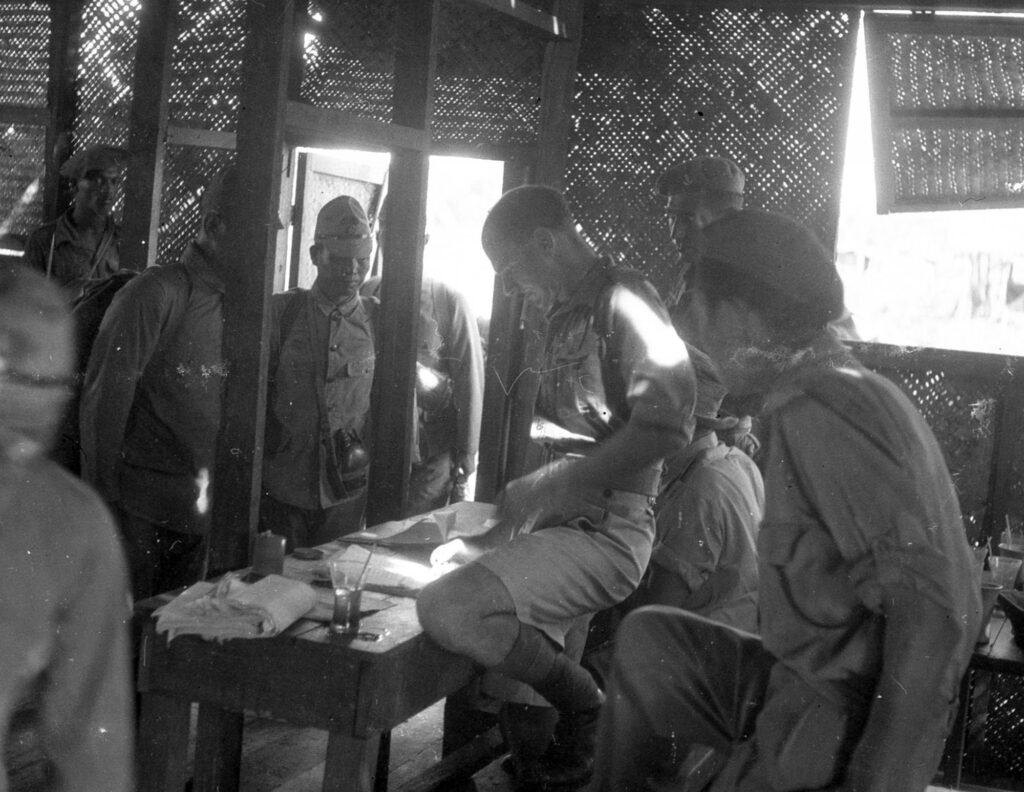
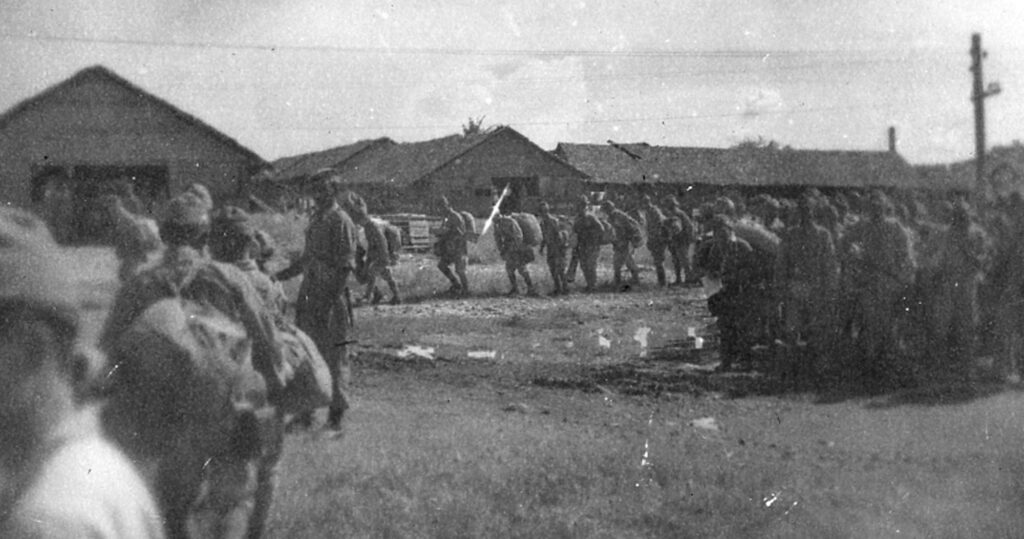
Work was sporadic. Frank Haley, Eiji Yatabe, and Min Yatabe were screening members of the Japanese 15th Area Army, who were arriving on trains, for evidence of war crimes. Eiji and Min found that they were either swamped with too much work or having little work for days. Sadao Nikaido, attached to No. 5 War Crimes Investigation Team in Malaya, also noted in a letter to Roy Matsui that the work was irregular. Shig Oue, George Suzuki, and Fred Nogami (of the India group) served with the occupation forces in Japan. Tad Ode was posted to Tokyo and worked in the War Crimes International Prosecution Section with other translators.
Japanese surrendered personnel being screened by SEATIC personnel; Thailand, circa 1946. Courtesy of Yatabe family.Screening one of the last groups of surrendered Japanese personnel at New Life Camp; Bangkok, October 1946. Courtesy of Yatabe family.
In October 1946, work with SEATIC ended, and most of the S-20 group went to Singapore, where they did some translation work and conducted interrogations at Changi Jail (Ito, 1984, p. 276). Most of the nisei remaining in Southeast Asia (except for those in Hong Kong and Japan) left for Britain aboard the British ship Otranto on April 7, 1947. From Britain they returned home.
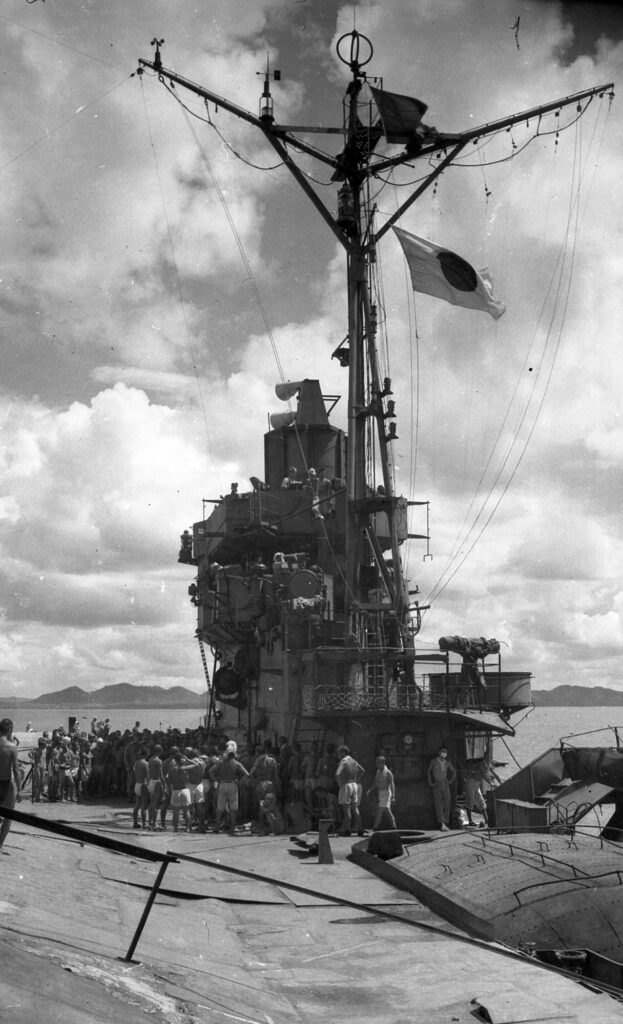
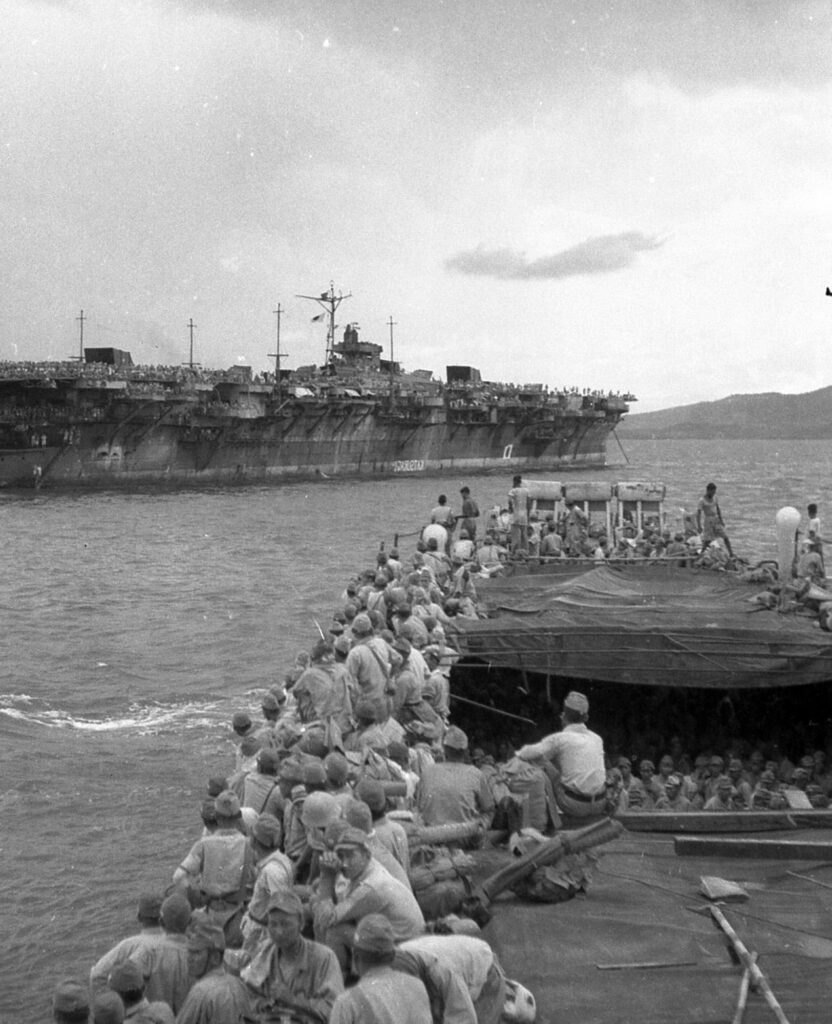
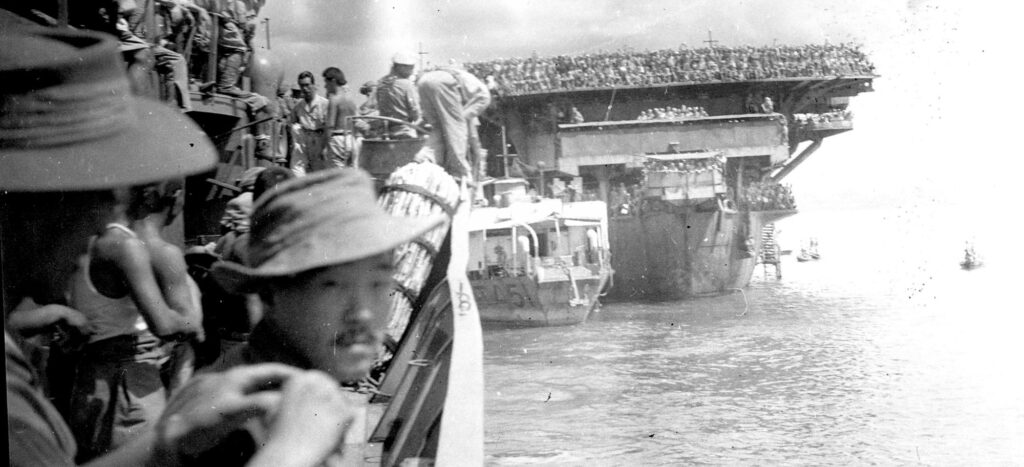
The Japanese aircraft carrier Katsuragi carried 8,000 men back to Japan on this trip; 18 October 1946. Courtesy of Yatabe family.A view of the Japanese aircraft carrier, the Katsuragi, from another ship that was returning personnel to Japan; 18 October 1946. Courtesy of Yatabe family.
A view of the Japanese aircraft carrier, the Katsuragi, from another ship; 18 October 1946. Courtesy of Yatabe family.