

Overview
The Korean War took place between 1950 and 1953 in the Korean Peninsula. The combatants were North Korea (Democratic People’s Republic of Korea) and South Korea (Republic of Korea). In June 1950, North Korea, armed with Soviet weapons and supplies, invaded South Korea. The United Nations, which had been formed in 1945, called for a military response to help restore peace between the two countries. A multilateral United Nations force, led by the United States, supported South Korea, while the People’s Republic of China and the Soviet Union supported North Korea. Millions of people lost their lives on both sides in the conflict. At the end of fighting in July 1953, an armistice and a boundary between North and South Korea were established. Technically the war is still ongoing, as no peace treaty was signed.
Background
The roots of the Korean War were in the division of Korea by the US and USSR after the Second World War. Korea, previously occupied by Japan from 1910 until 1945, was divided into a northern and southern bloc along the 38th Parallel. The USSR occupied the north; the US, the south. Political ideologies between the two blocs grew further apart after the division. The northern bloc became North Korea, supported by the USSR and by China. The southern bloc became South Korea, supported by the US and other western powers. The rulers of both North Korea and South Korea claimed they were the rulers of the entire Korean peninsula.
Major Events of the Korean War
In June 1950 North Korea’s army crossed the 38th Parallel and invaded South Korea. It quickly overran the South Korean army and forced it into a small area around Pusan called the Pusan Perimeter. The United Nations entered the war, led by the United States as a coalition of 16 nations, on the side of South Korea. The UN forces were led by US General Douglas MacArthur. UN forces landed at Incheon, near Seoul, and advanced against the North Korean army, forcing them across the 38th Parallel and nearly back to the Yalu River, bordering China. Chinese soldiers then invaded North Korea and pushed the UN forces back south of the 38th Parallel. When General MacArthur argued publicly about military strategy with US President Truman, he was relieved of his duties by Truman.
As additional UN troops arrived in Korea, the North Koreans and Chinese troops were forced back to the 38th Parallel. The ground war became a static one, while much of the fighting took place from the air, between American and Soviet pilots.
An armistice was signed in July 1953 on the 38th Parallel. Since then, Korea has remained divided.
Canadian PARTICIPATION IN THE KOREAN War
Canada contributed air force, navy and army personnel to the UN effort, plus supporting artillery, engineering and logistics staff. The Korean War marked the first time that Canadians contributed to UN peacekeeping missions. Canadian forces participated in both defensive and offensive operations during their service in Korea. They were involved in some of the most intense battles of the Korean War.
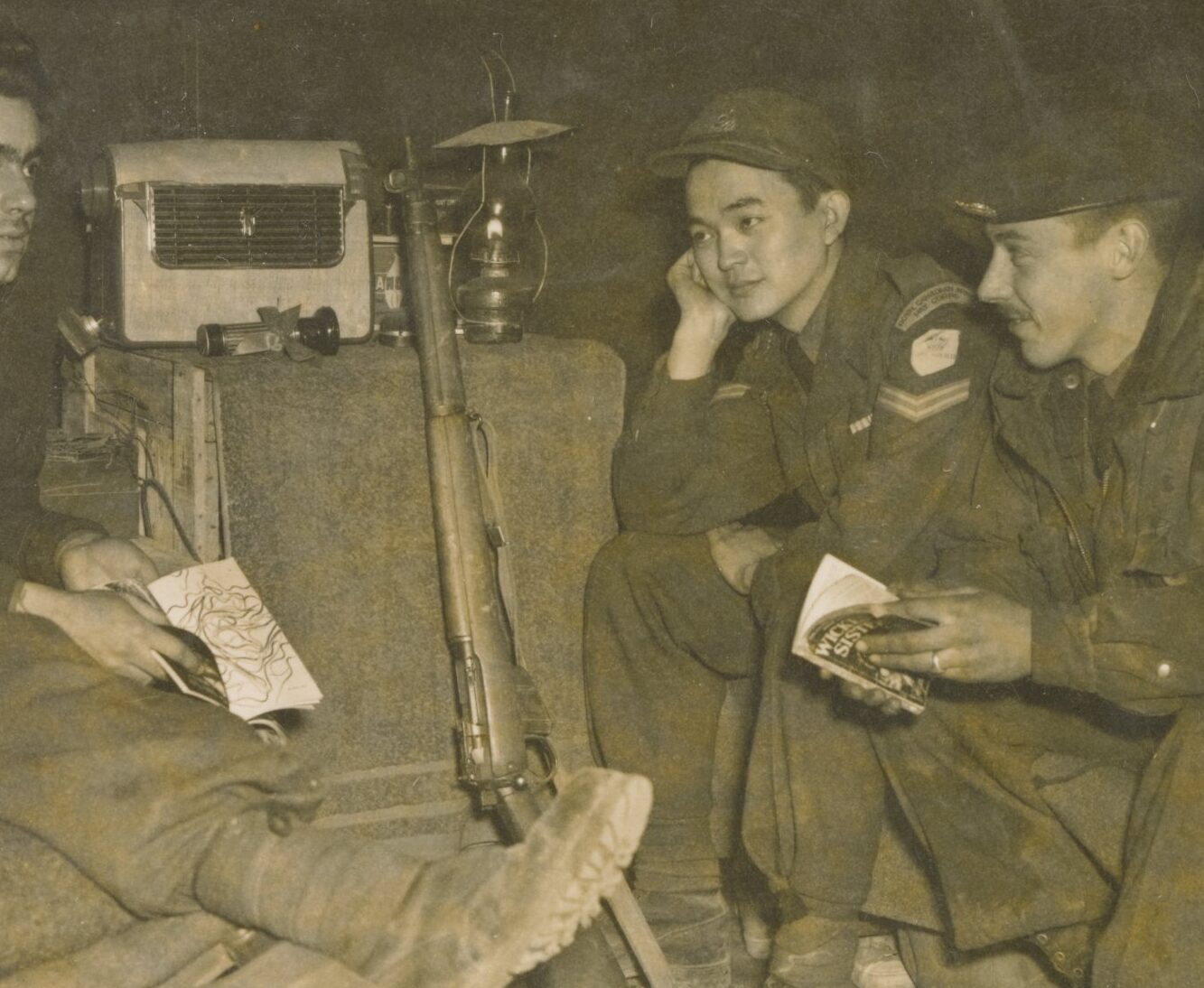
NNMCC 2019.32.1.2.60
Korean War service of Japanese canadians
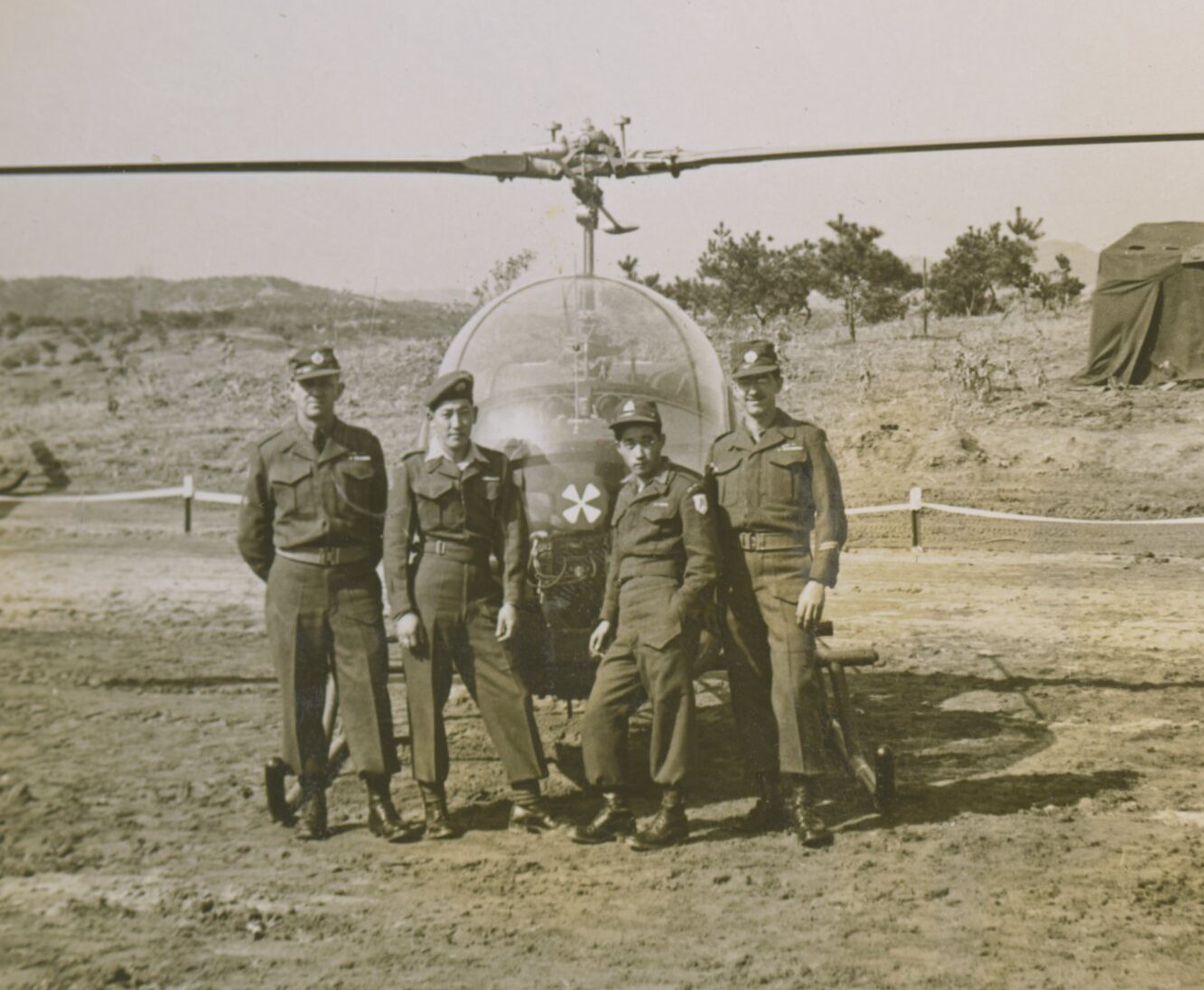
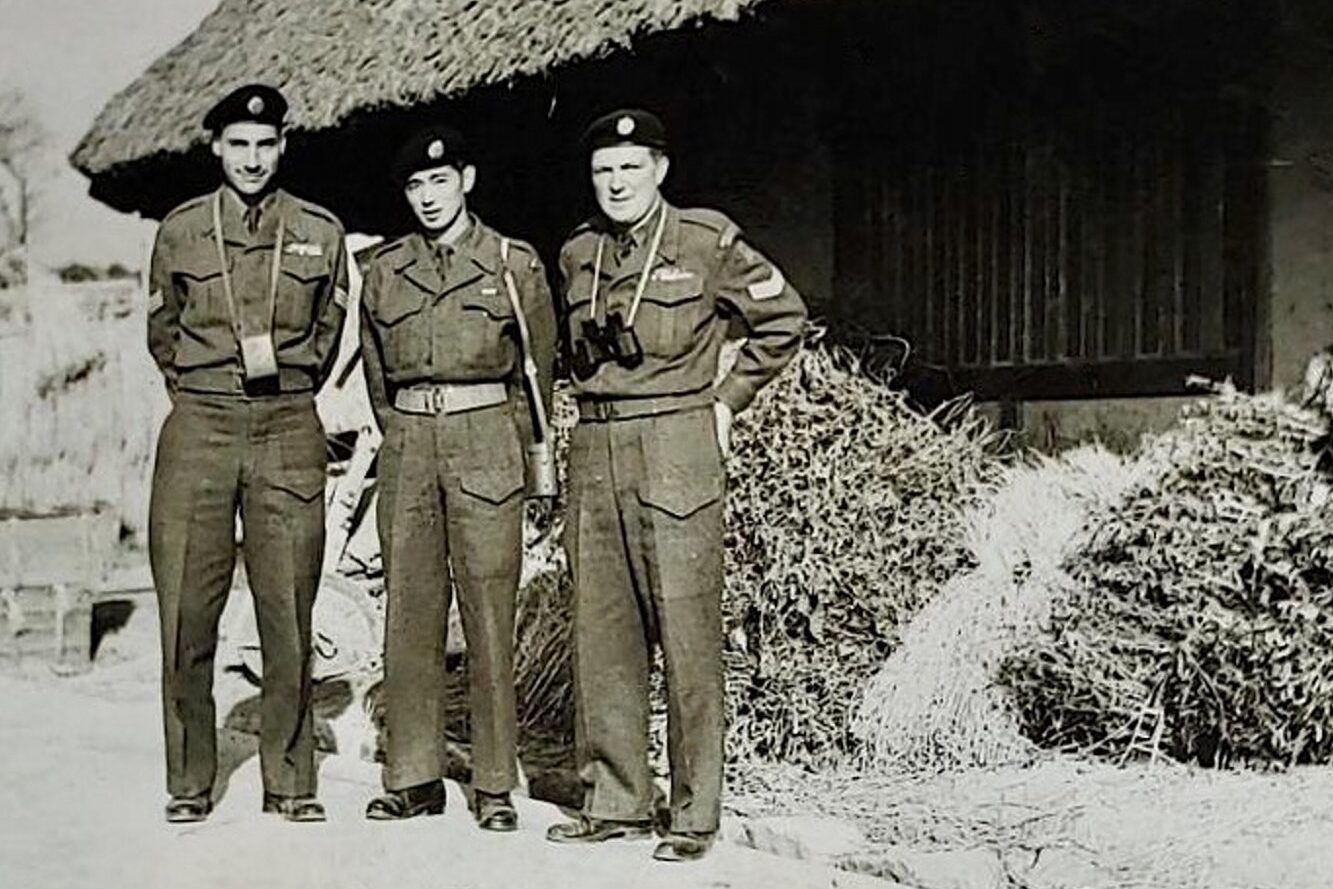
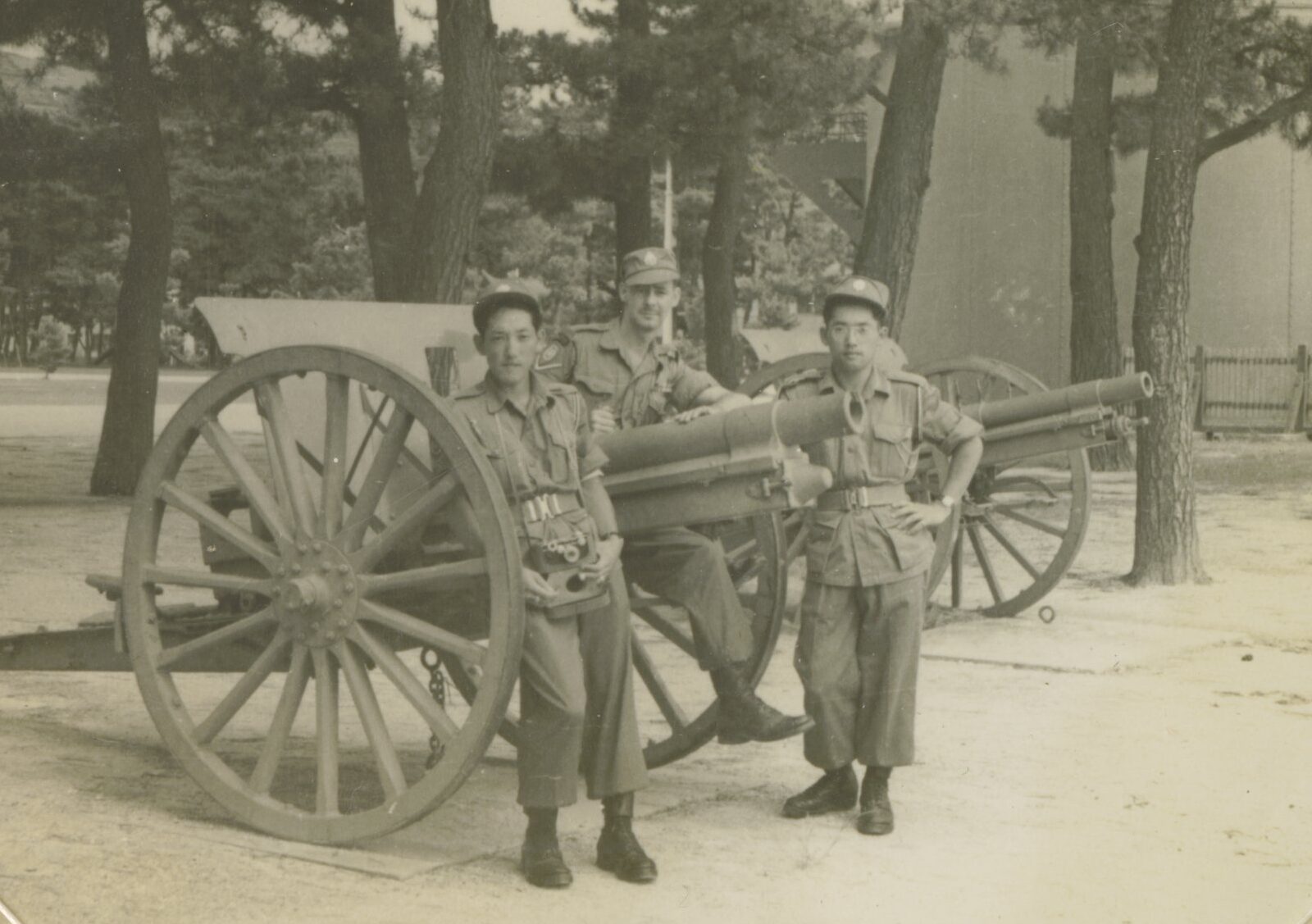
49 Japanese Canadians volunteered for Korean War service; some had previously served in the Second World War. 19 enlisted in Canada, while 30 enlisted from Japan. The latter volunteers had been deported after the Second World War to Japan with their families; joining the Canadian military was the best option for them to return to Canada. They served in the Royal Canadian Air Force, the Royal Canadian Navy and the Canadian Army. Some served in combat units, while others were in units that provided services and logistics. Many remained in the military until retirement.
The forgotten War
The Korean service of Canadian war veterans was not recognized until many years after the conflict ended. They were acknowledged as war veterans in the 1980s and received Canadian Volunteer Service Medals in 1992. The government of South Korea and the Korean diaspora in Canada have also expressed thanks to the veterans for their efforts.
List of veterans
Explore the stories of Japanese Canadian Korean War Veterans.
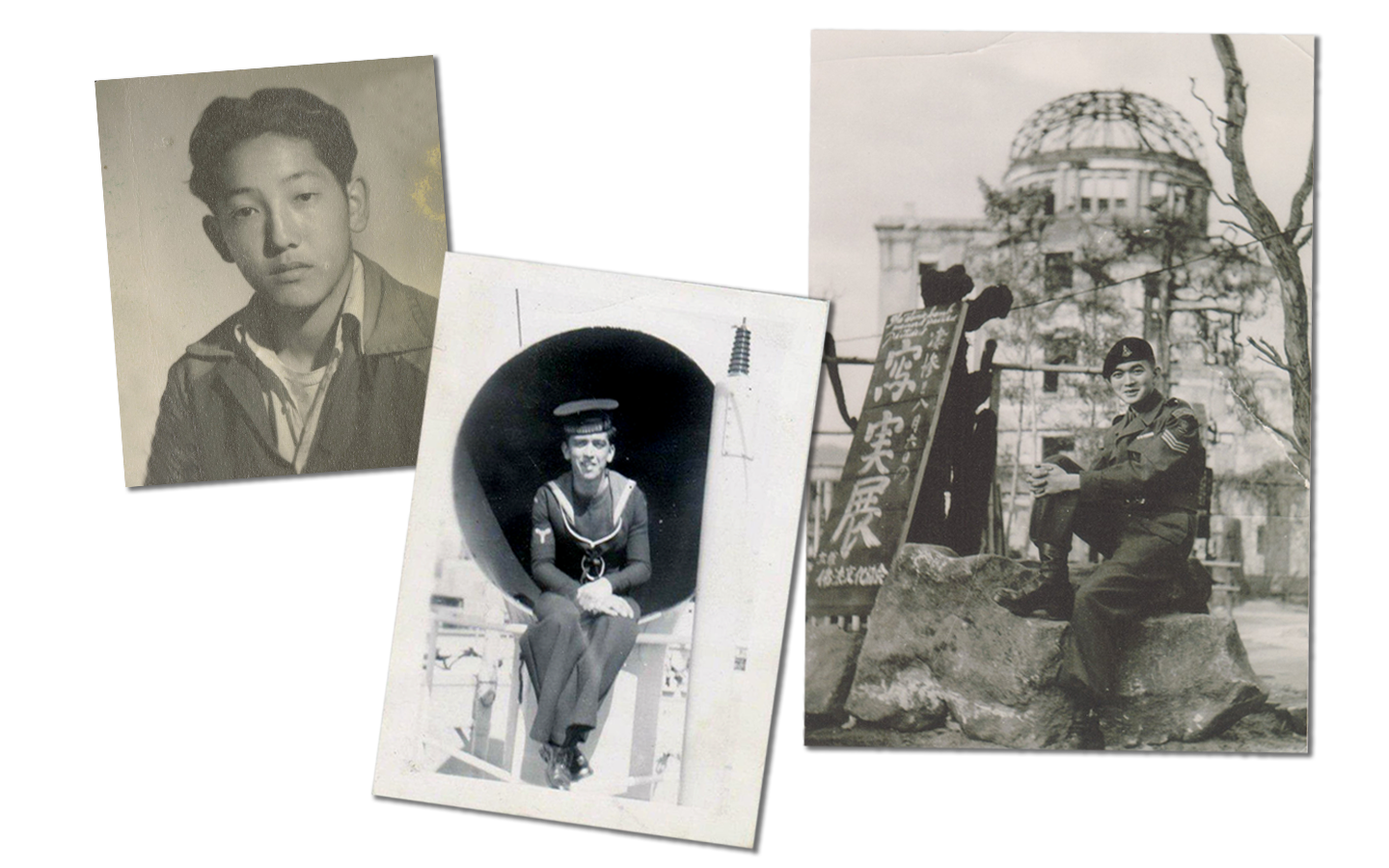
Left: NNMCC 2016.18.1.2.10. Middle: Courtesy of Nancy Kato. Right: NNMCC 2019.32.1.2.73.