

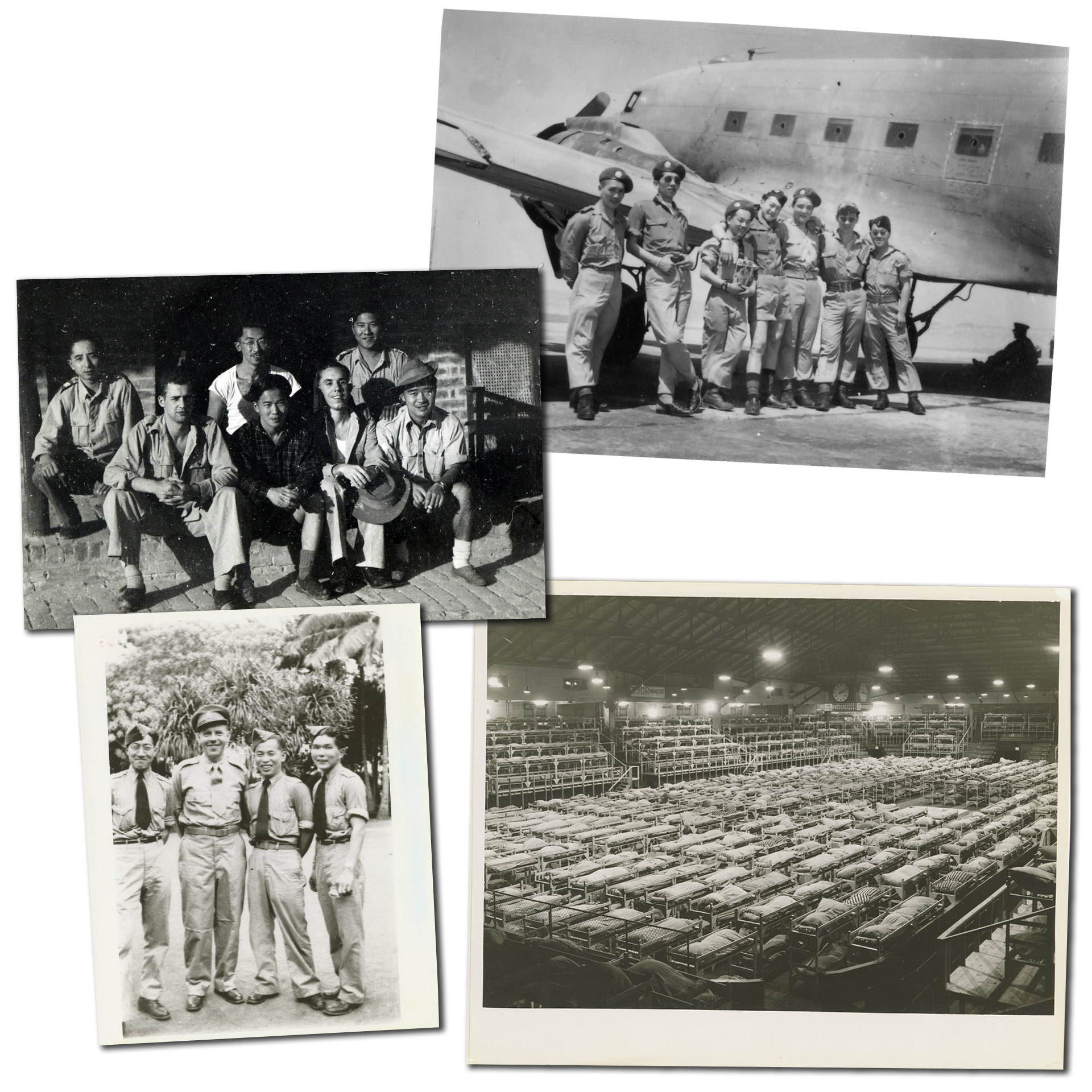
Bottom Left: NNMCC 2001.4.4.5.4. Bottom Right: NNMCC 1994.69.3.18.
Overview
Although many Canadians may be aware that Japanese Canadians were interned during the Second World War in detention camps, sugar beet farms, labour camps, and POW camps, few people know that Japanese Canadian soldiers enlisted to serve in that war.
Japanese Canadians, mostly nisei (second generation), served in Canadian battalions in Europe, and in the Far East theatre, including Burma, Siam, Malaya, Hong Kong, French Indo-China, Dutch East Indies, and in occupied Japan. A large number of those who served in the Far East had previously experienced internment as so-called “enemy aliens” in Canada following Japan’s 1941 attack on Pearl Harbor.
Some of the veterans became key leaders in the movement to obtain redress, achieved in 1988, for the internment years.
Between the World Wars
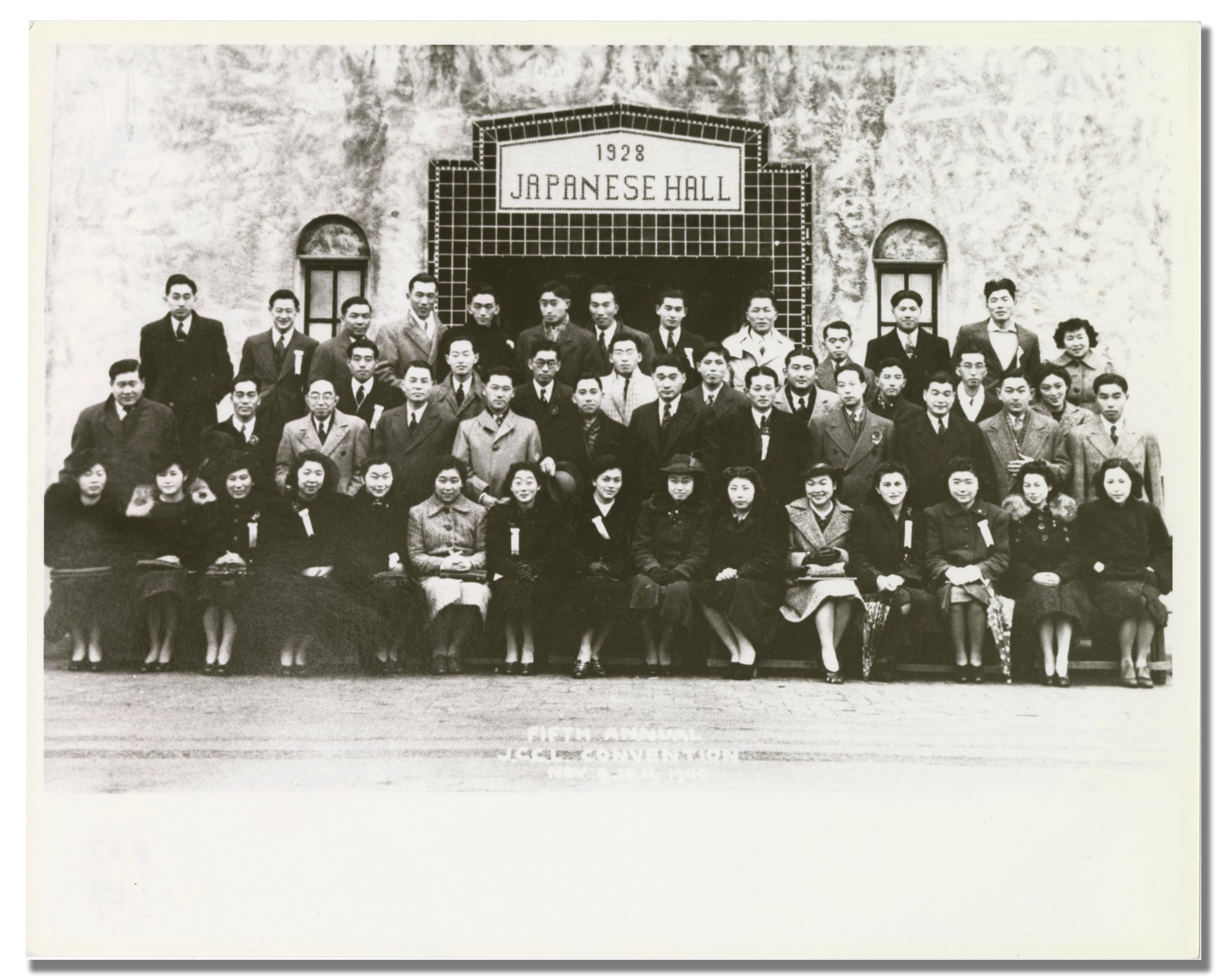
The years between 1918 and 1939 were ones of escalating animosity towards the Japanese in Canada.
The largest populations of Japanese were in British Columbia. Politicians in the province restricted immigration and access to work, basic human rights, and entry into regular society. Japanese formed their own communities, such as the Powell Street area of Vancouver and Steveston that included Japanese churches, newspapers, stores, and language schools.
Asians (Japanese, Chinese, South Asians) and the Indigenous were not allowed to vote. They faced increasingly loud and hostile rhetoric from politicians in the years leading up to the Second World War. The actions of Japan, a country in which many Japanese Canadians had never set foot, were used to justify the treatment of the entire community that culminated in the nightmare years of the internment and its aftermath.
the war at home
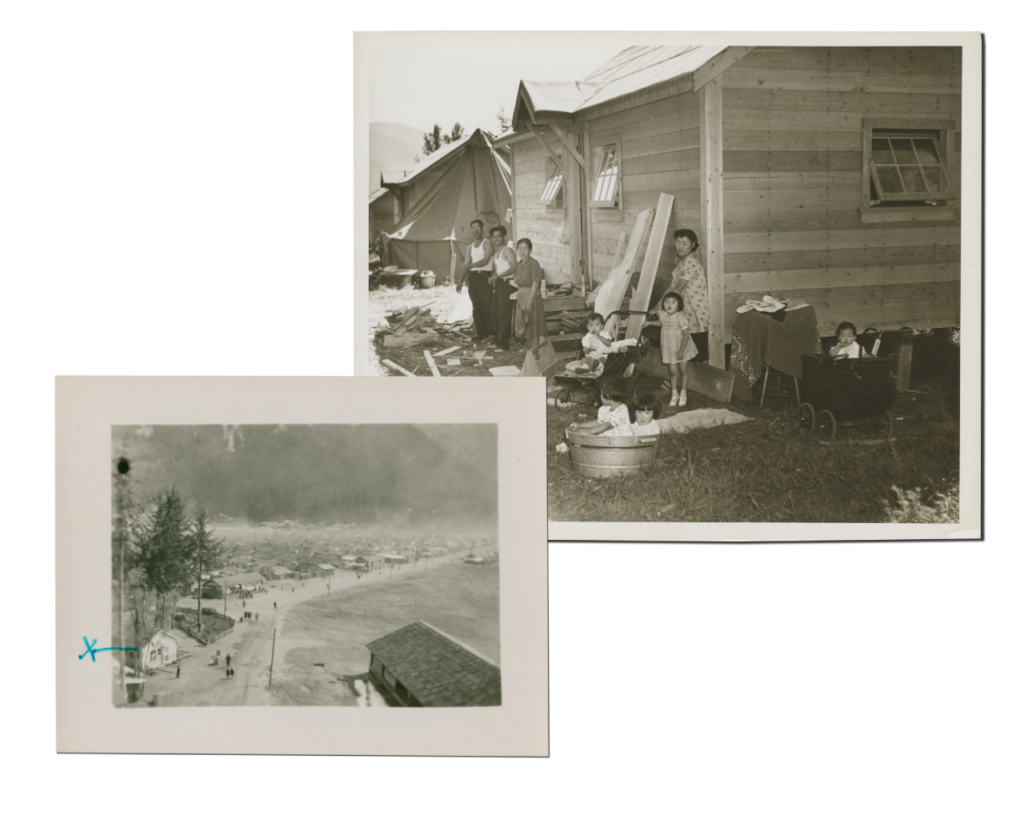
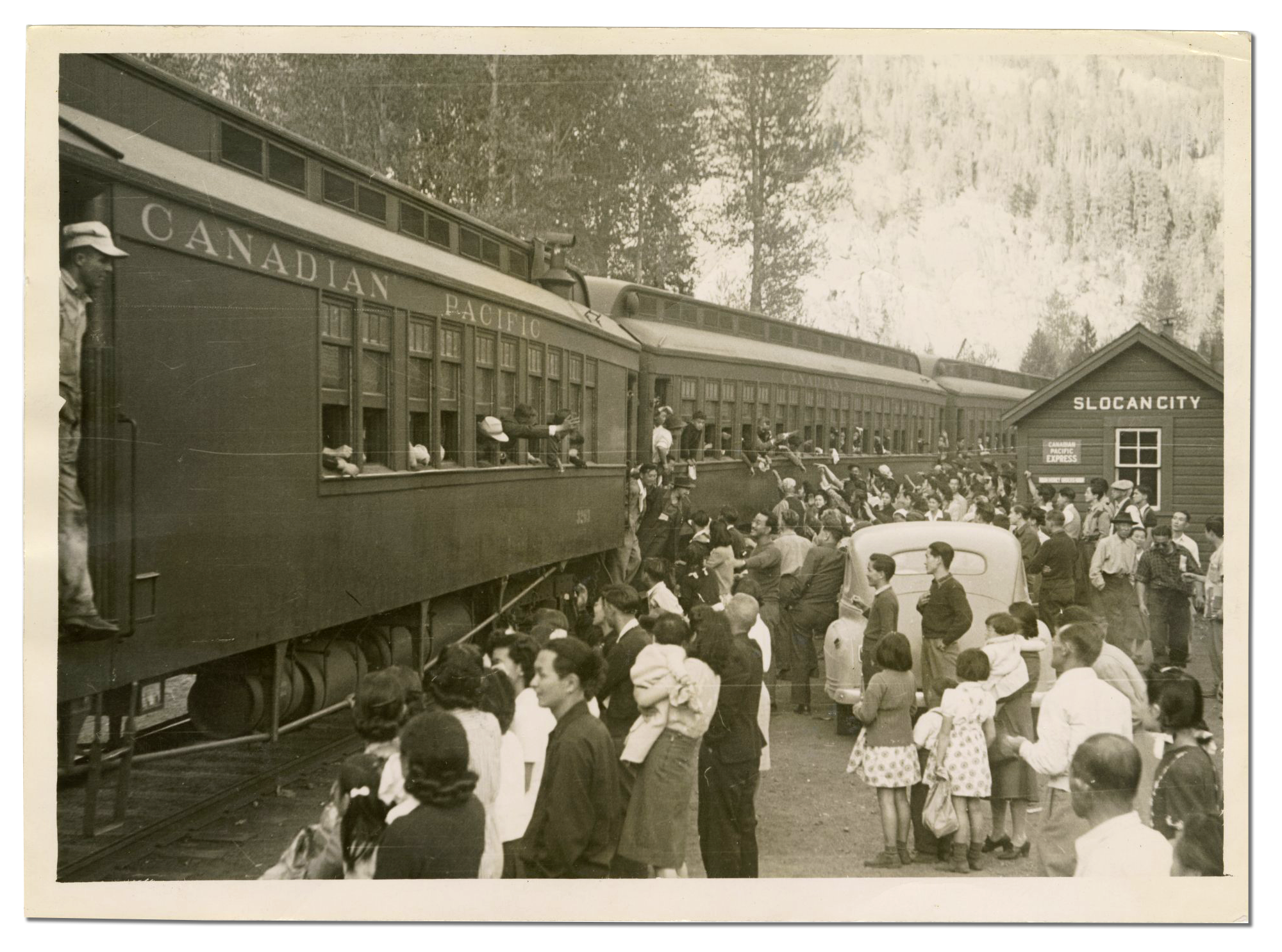
The years leading up to the Second World War were already difficult for Japanese Canadians, as they were considered outsiders and undesirables by white Canadians and were excluded from mainstream society. They lived under race-based restrictions on their movements and labour. Fear and resentment of Japanese Canadians reached a breaking point on December 7th, 1941, when the attacks on Pearl Harbor and Hong Kong took place. Government action against Japanese Canadians was swiftly enacted, as rumors spread about a possible Japanese invasion. 90% of Japanese Canadians in British Columbia were forcibly removed from their places of residence to locations spread across the country, including internment camps, labour camps, sugar beet farms, and prisoner-of-war camps. Wartime restrictions against Japanese Canadians were not fully removed until 1949. Despite the treatment and bans on enlistment, 150 Japanese Canadians participated as Canadian soldiers in the Second World War.
Japanese Canadian Military Service
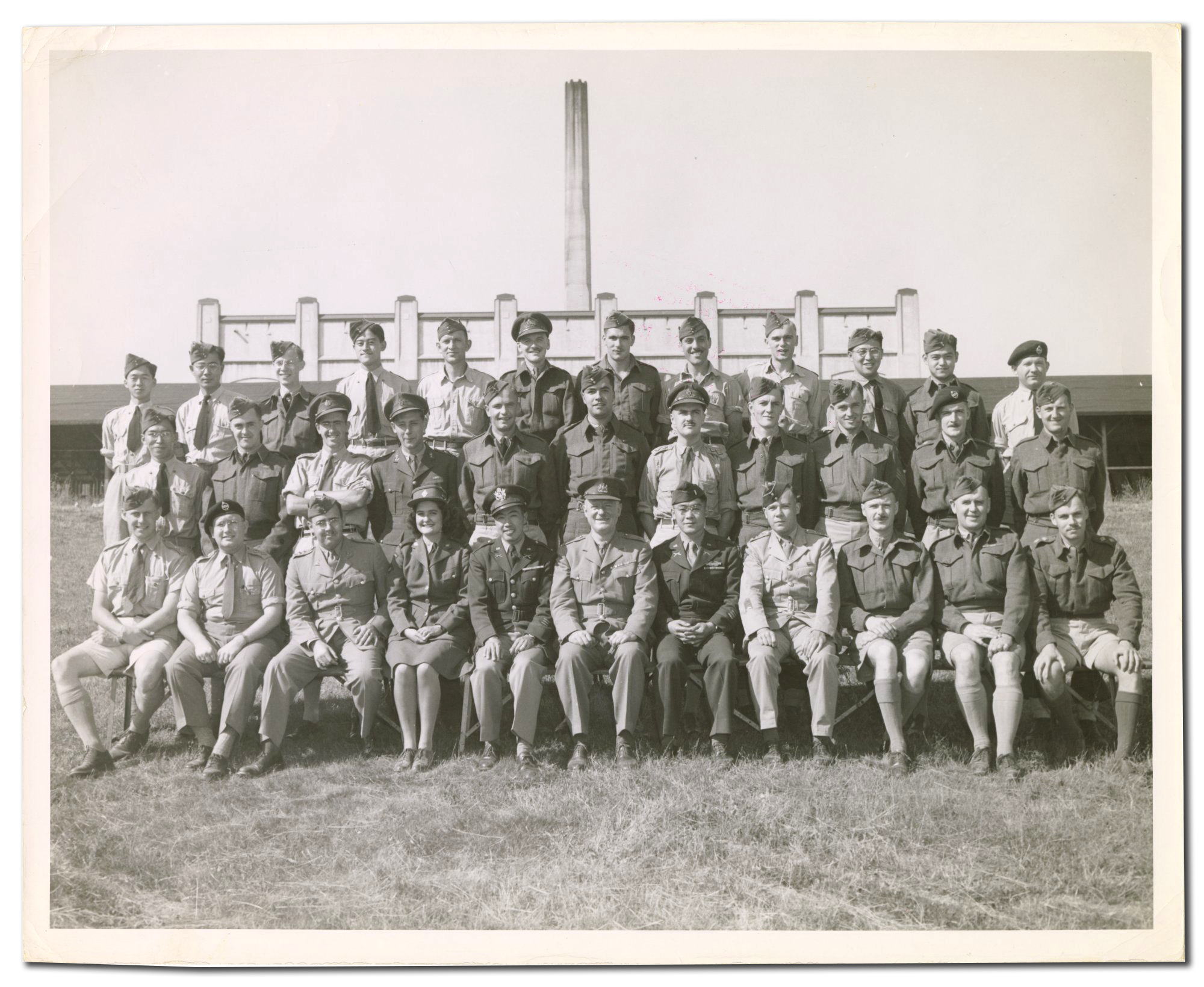
Two groups of Japanese Canadian soldiers participated in the Second World War. These included nisei and some issei.
The first group of soldiers, enlisting in provinces other than British Columbia, served in Europe before the Pearl Harbor attacks. From 1942 until 1945, nisei were banned from participating in the Canadian Forces. Many attempted to join but were turned down. In January 1945, under great pressure from the British and Australian armies, the Canadian government secretly and with great reluctance allowed a second group of Japanese Canadians to enlist in the Canadian military, but only as language specialists. The first contingent of twelve volunteers from this group, sent to India, were urged to sign up as members of the British army so that they could not demand the vote on their return from service.
Most of those who enlisted in 1945 served in India, southeast Asia, and occupied Japan.
REturn Home
Japanese Canadian soldiers returned home after their war service to the same restrictions that they had faced when they enlisted. Their families, if they were still in internment camps, were being forced to move once again, either east of the Rocky Mountains, or to Japan on deportation ships. Canadian attitudes began to change as people learned more about citizenship and the need for a Bill of Rights. Protests from Canadian churches and human rights organizations resulted in the cancelling of further deportation orders after almost 4000 had been shipped to Japan. In June 1948, Japanese Canadians were granted the right to vote federally; in March 1949, they were granted the right to vote provincially in British Columbia.
Many returning nisei veterans volunteered with Japanese Canadian community organizations, including groups that sought redress for their past treatment in the war. Veterans remained in touch with each other and celebrated Canada’s centennial with a reunion in 1967. In 1988, the Canadian government gave an apology to Japanese Canadians for the events of the Second World War and offered redress payments to survivors. These people had lost their homes and businesses; had their property sold by the government; were uprooted and forced to move multiple times; lost their life savings, and spent their productive years in prison camps.
veterans’ Stories
Explore the stories of Japanese Canadian Second World War Veterans.
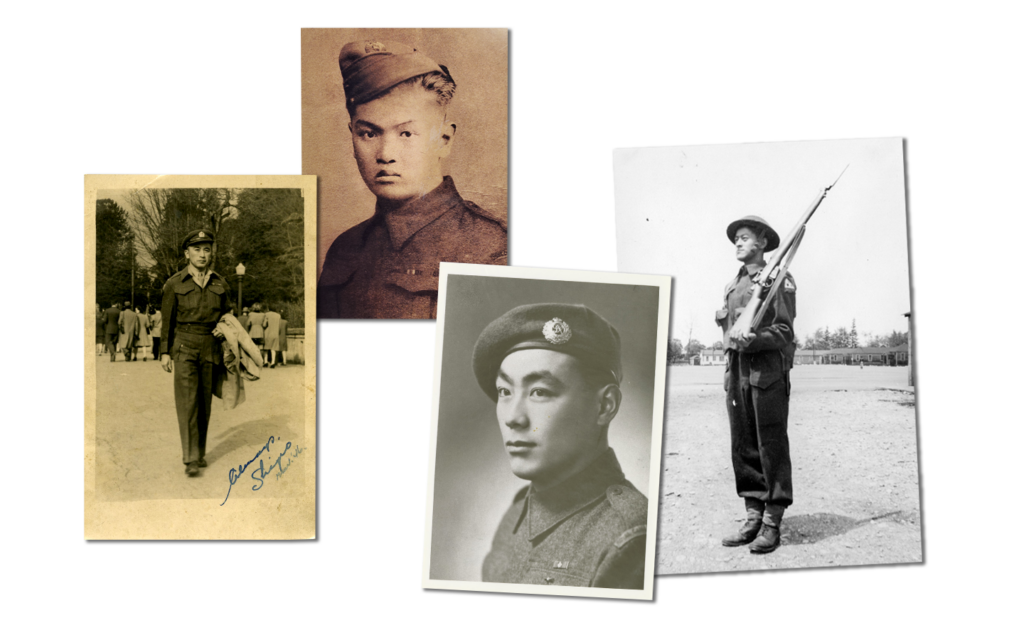
Right Centre: Courtesy of David Iwaasa. Right: NNMCC TD 1471.