Return Home
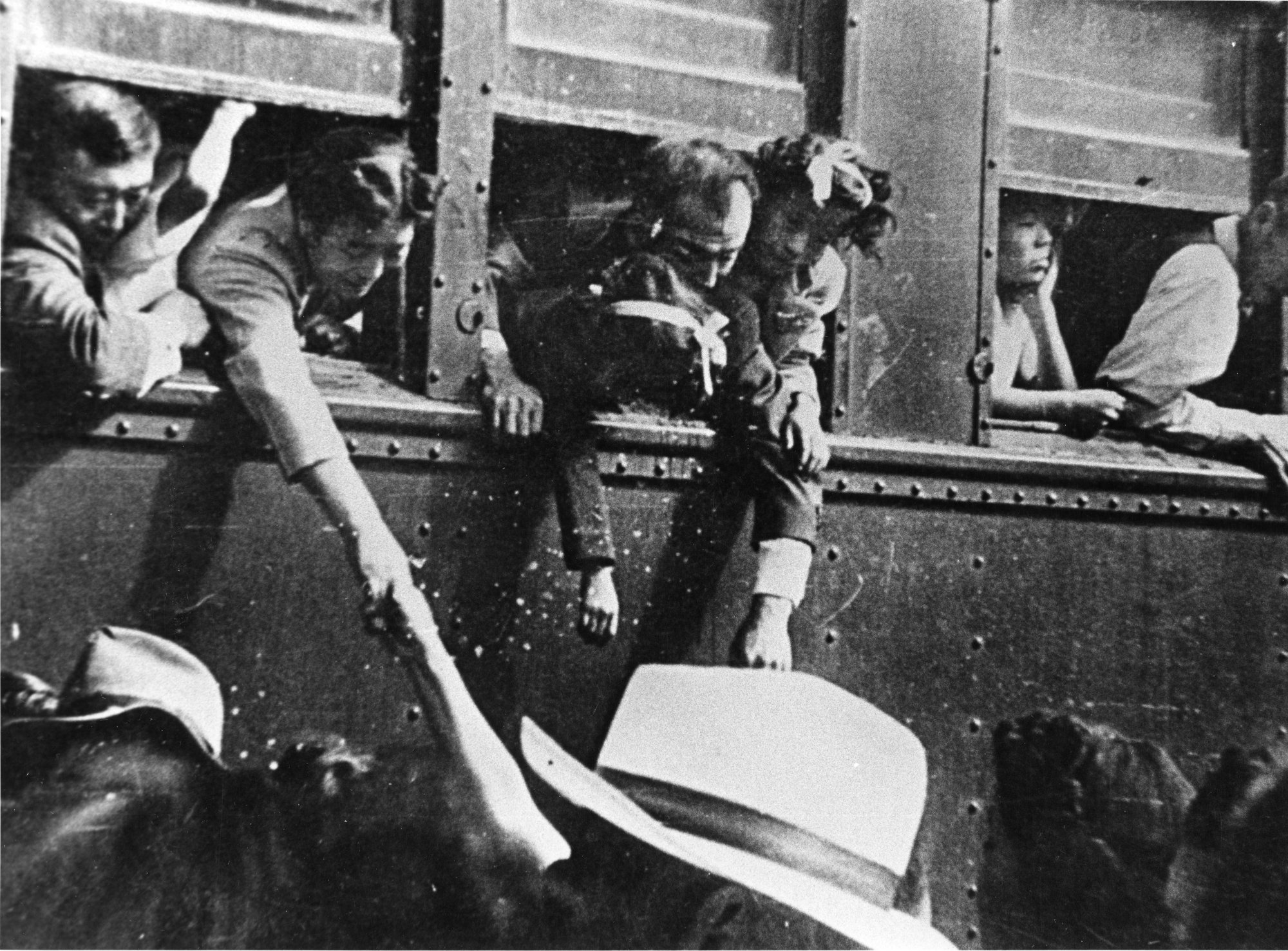
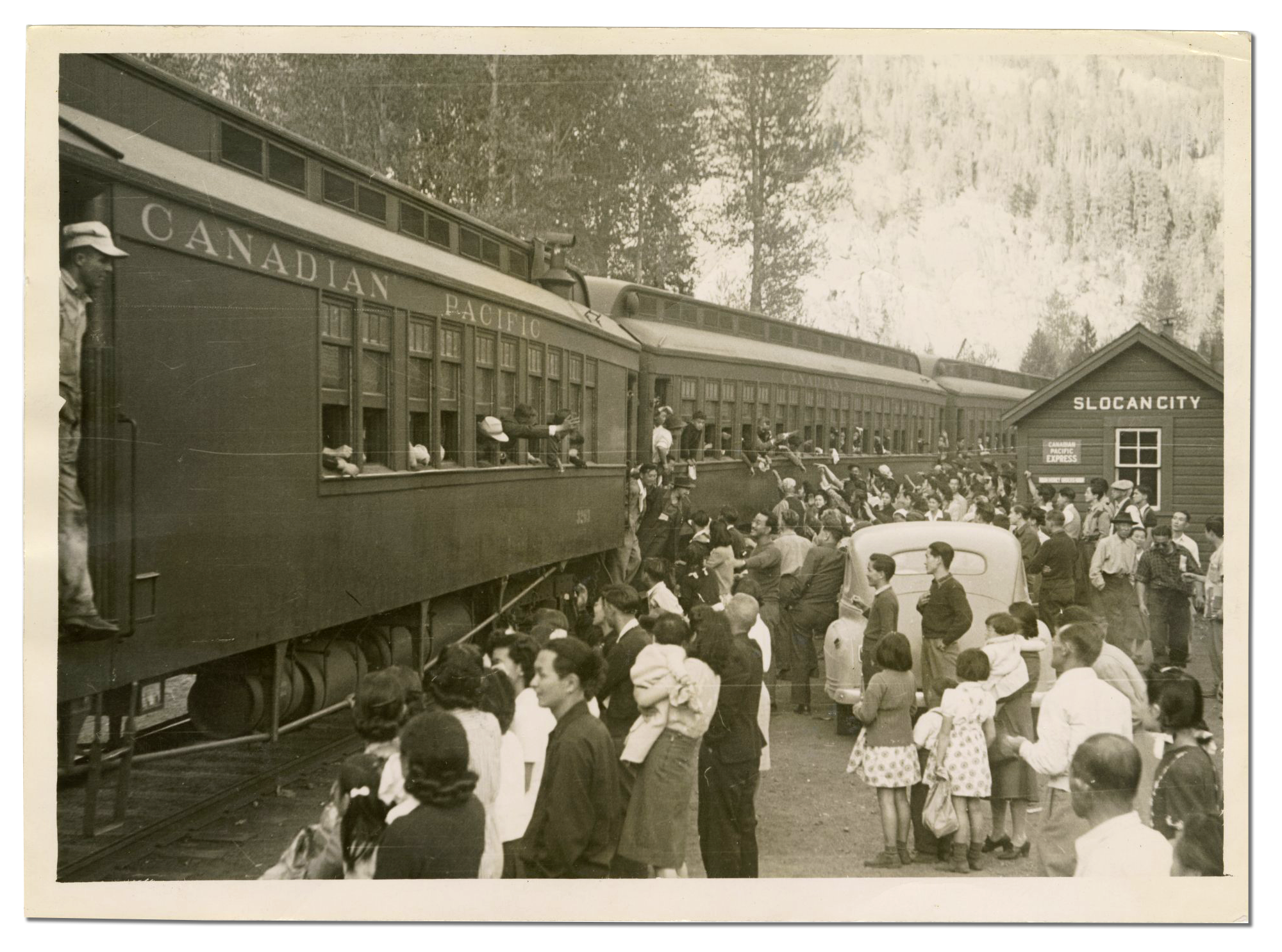
Japanese Canadian soldiers returned home after their war service to the same restrictions that they had faced when they enlisted. Their families, if they were still in internment camps, were being forced to move once again, either east of the Rocky Mountains, or to Japan on deportation ships. Canadian attitudes began to change as people learned more about citizenship and the need for a Bill of Rights. Protests from Canadian churches and human rights organizations resulted in the cancelling of further deportation orders after almost 4000 had been shipped to Japan. In June 1948, Japanese Canadians were granted the right to vote federally; in March 1949, they were granted the right to vote provincially in British Columbia.
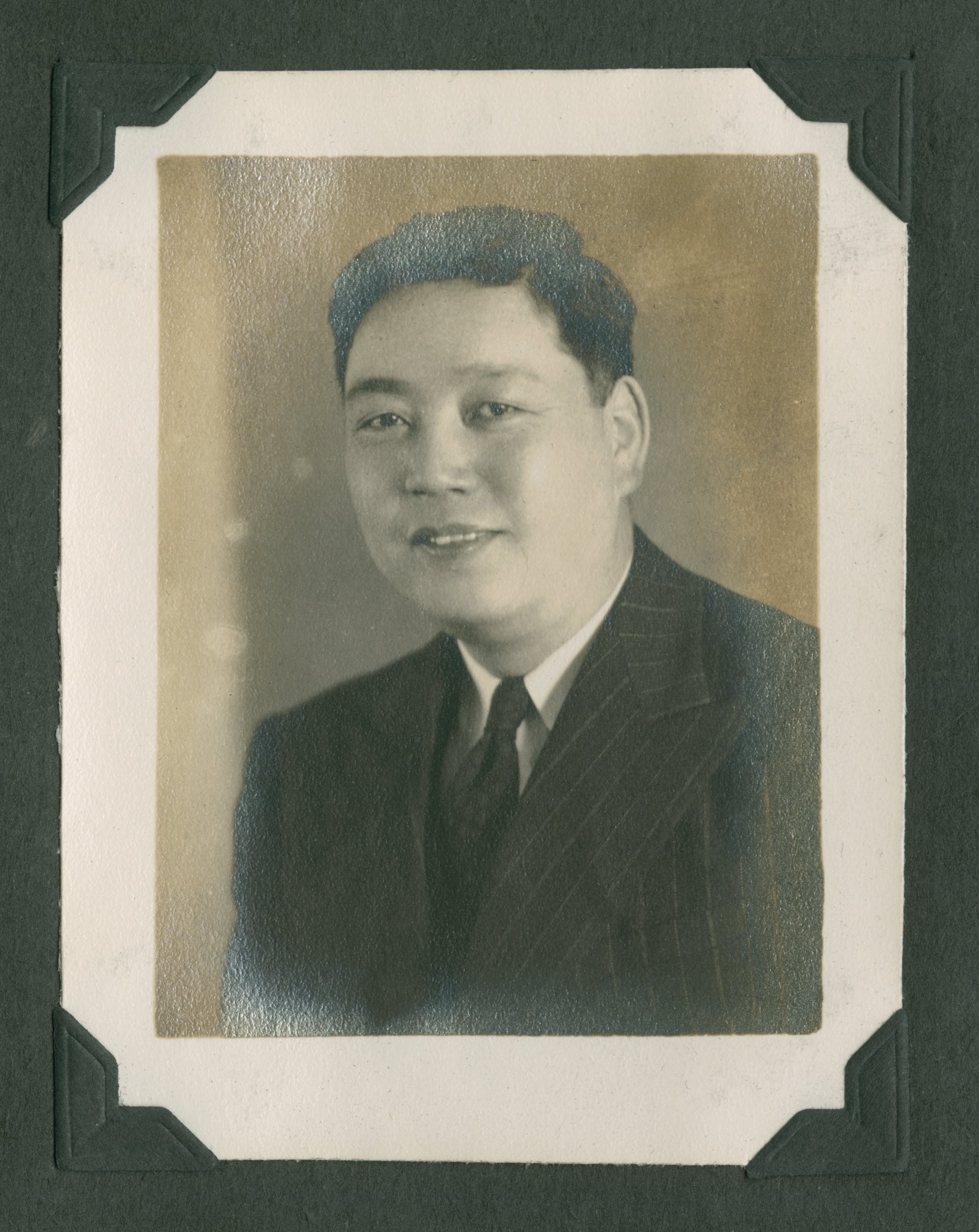
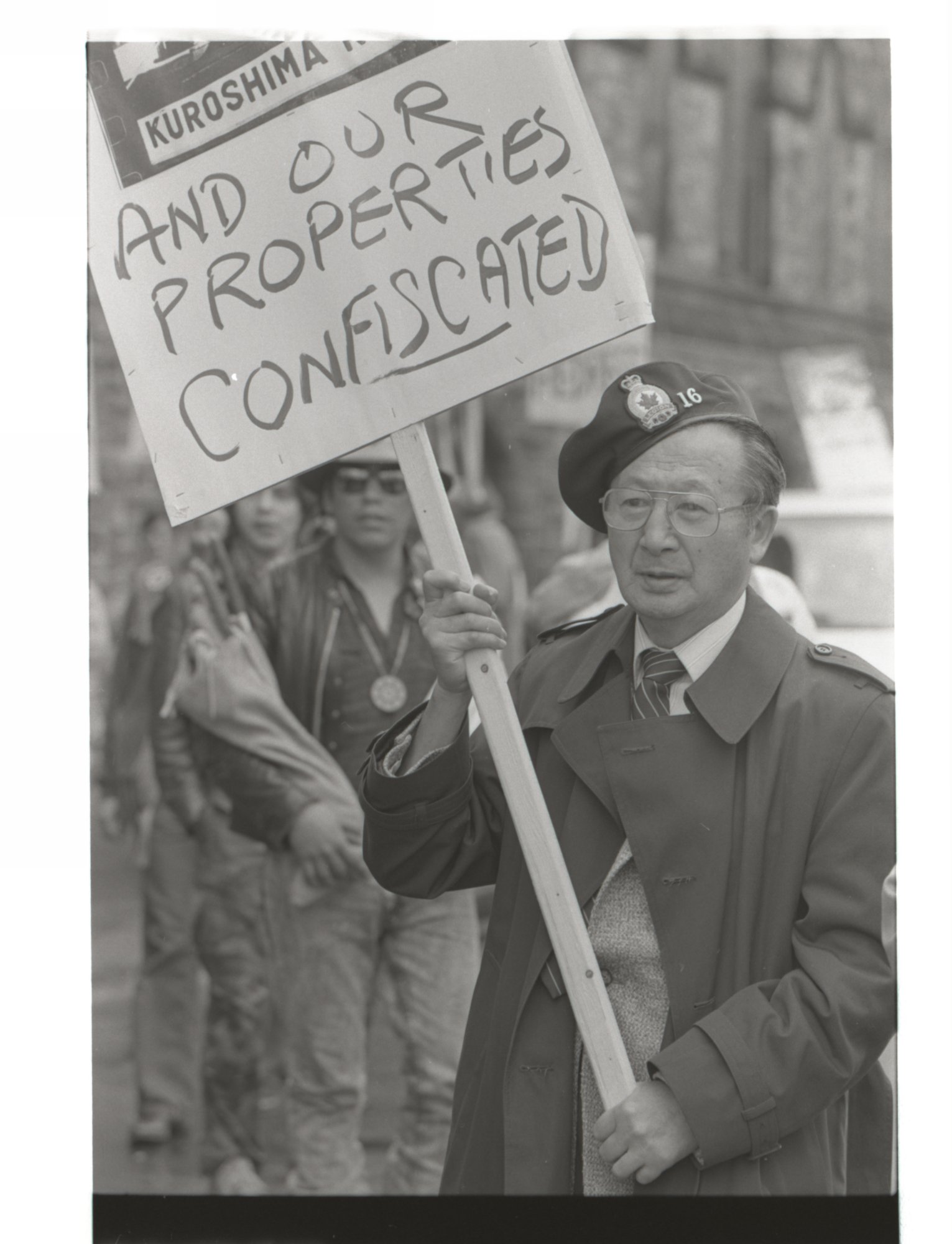
Many returning nisei veterans volunteered with Japanese Canadian community organizations, including groups that sought redress for their past treatment in the war. Veterans remained in touch with each other and celebrated Canada’s centennial with a reunion in 1967. In 1988, the Canadian government gave an apology to Japanese Canadians for the events of the Second World War and offered redress payments to survivors. These people had lost their homes and businesses; had their property sold by the government; were uprooted and forced to move multiple times; lost their life savings, and spent their productive years in prison camps.